





President Trump unveiled a $25 million Fraud Whistleblower Incentive Program offering cash rewards for tips that deliver convictions, putting public money behind the crackdown on stolen taxpayer funds.
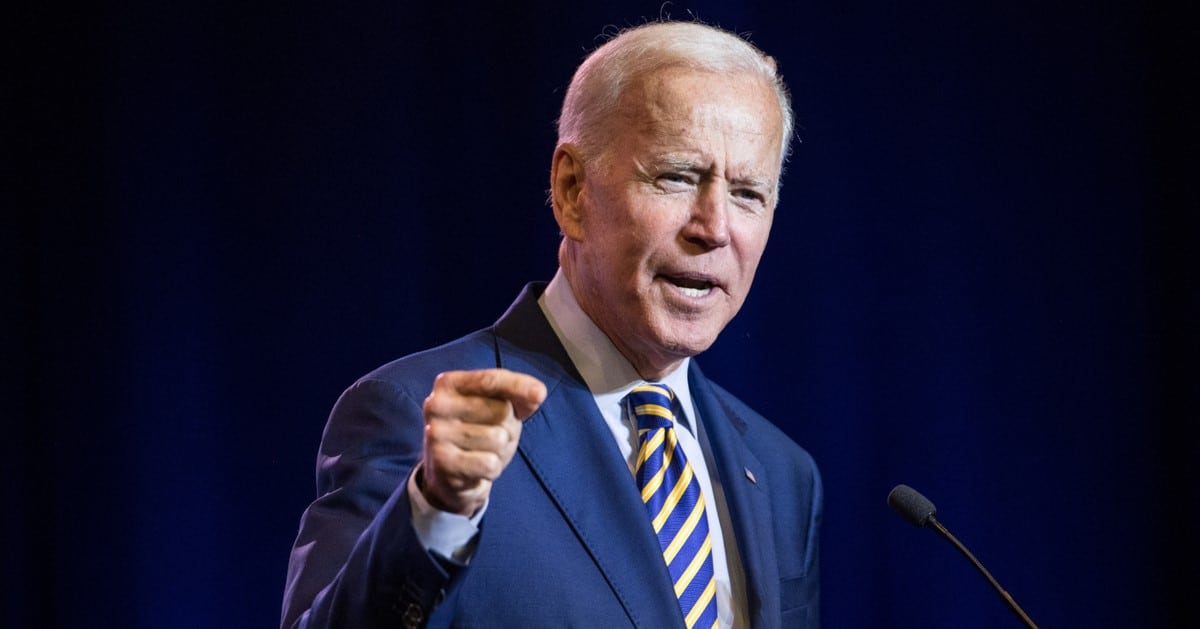
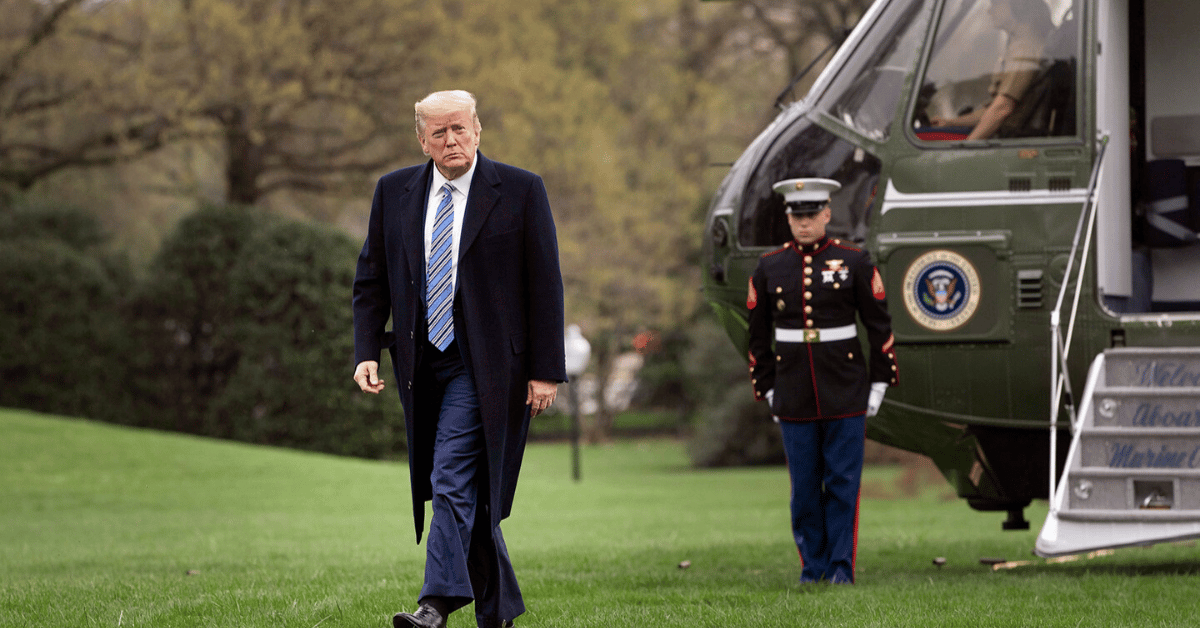
Standing in the Oval Office on Oct. 20, 2026, President Donald Trump announced the new program designed to pay Americans who help investigators catch people ripping off federal benefits. Vice President JD Vance joined him. Independent journalist Nick Shirley stood with them as the administration put cash on the table for tips that stick.
Fox News reported the Fraud Whistleblower Incentive Program will route tips through fraud.gov. A White House official described a $25 million Justice Department-run initiative with rewards of up to $30,000 when a tip leads to a successful fraud conviction or significant federal enforcement action. An allegation alone does not qualify.
Trump framed the reward in blunt terms. He said tipsters who help recover large sums would share in the result.
"If you turn somebody in and you, let's say report, and you find $1 billion, we are giving a commission to that person of 1%,"
Trump also said he would personally settle disputes between competing tipsters. "I'll make that determination. It'll be done expeditiously and fairly," he said. Journalists may take part if the rules and their employers allow it.
Vance chairs the Task Force to Eliminate Fraud, which Trump established in March. At the announcement, the vice president said the incentive grew out of a talk with Trump about recruiting ordinary Americans to help investigators.
"If you want to help us stop it, you get to share in the rewards,"
Breitbart reported Vance recounting Trump’s instruction: reward people when they help save the country and save taxpayers real money, so they share in the benefits they create. The program sits on top of a broader campaign against fraud in federal benefits. White House spokeswoman Lauren Bis put the administration’s stance in plain language.
"Every day, President Trump’s Task Force to Eliminate Fraud is zeroing in on the rampant abuse of taxpayer dollars and giving Americans the accountability they deserve. This administration has zero tolerance for individuals who steal from Americans,"
Federal Trade Commission Chairman Andrew Ferguson, the task force’s vice chairman, used the event to press Congress for mandatory minimum prison terms for benefits fraud. He also called for civil liability for state officials who fail to stop fraud they could have prevented.
Democrats have spent years framing every accountability drive as overreach, a pattern familiar from earlier fights over ethics and party strategy that left voters watching leaders scramble rather than clean house, including past counsel to drop impeachment theater for reform talk.
Shirley’s December 2025 video questioned whether several Somali-run Minnesota daycare centers were running as legitimate businesses. The White House credited that work with helping spur a surge of FBI and Department of Homeland Security resources into the state. Investigations, arrests, and new charges followed.
One concrete case landed in court. Fahima Egeh Mahamud, former CEO of Future Leaders Early Learning Center, pleaded guilty in July to wire fraud and conspiracy to defraud the United States. Prosecutors said she stole more than $4.6 million through false child care assistance claims and another $850,000 through a federal child nutrition program tied to the Feeding Our Future scandal.
Shirley had pointed to that guilty plea earlier as proof his reporting held up. "Well, numbers don't lie, and convictions don't lie either," he told Fox News Digital. He also said the pressure ran the wrong direction for a long time.
"Instead of the mainstream media investigating the fraud they investigated me,"
Trump praised Shirley at the Oval Office event. "He's done an amazing job," the president said. RealClearPolitics reported Shirley received the first payout under the new program for exposing Minnesota welfare fraud. Shirley said fraudsters divert money meant for the needy into luxury goods and overseas transfers, and that the new incentive finally gives people a reason to expose the theft. Trump noted the media went after Shirley instead of the fraudsters and said he was not surprised.
That sequence, tip, investigation, plea, reward, is exactly the loop the program is built to repeat. Party leaders who once treated every enforcement push as a political attack have watched the same pattern play out in other fights, including sharp pushback when citizenship and targeting questions hit the headlines.
The same day, Centers for Medicare and Medicaid Services Administrator Dr. Mehmet Oz announced the administration is deferring another $1.2 billion in California Medicaid payments directed toward personal care services. Oz cited questions about the program’s spending growth. He said tips from people inside businesses can help investigators spot wrongdoing before the losses pile higher.
Just the News reported the $25 million fund will pay Americans who identify public-funds fraud through the new website, and that the task force has identified schemes mainly in Democrat-run states such as Maine, California, and Minnesota. Vance, described there as the fraud czar, is targeting misuse in Medicaid, CHIP, Medicare, Social Security, grants, and immigration applications. Trump said Americans will now be able to report corruption and theft of taxpayer dollars in their communities via that site.
Taxpayers have watched large benefit programs leak money for years while officials argued over process. Holding California payments and paying tipsters who produce convictions are two sides of the same ledger: stop the outflow and reward the people who help prove the case.
Fragile Senate math and repeated warnings about midterm risk have already forced Democrats to confront how thin their margin for error is when voters focus on waste and results, a pressure point party elders have flagged in tight poll cycles.
The White House official’s description put a $25 million pot under DOJ control and capped individual rewards at $30,000 for tips that produce a conviction or major enforcement action. Trump’s public example used a 1 percent commission on a billion-dollar recovery. The two descriptions sit side by side in the public record; the administration has not published a full regulatory text spelling out every eligibility rule, payment cap, or funding mechanic in the materials provided.
What is clear is the trigger. A tip must lead to a successful fraud conviction or significant federal enforcement action. Tips go to fraud.gov. Competing claims get resolved by the president, who promised speed and fairness. The Task Force to Eliminate Fraud, created by executive order in March, already has a mandate to coordinate across agencies, tighten eligibility checks, and cut improper payments. The whistleblower cash is the public-facing spur on top of that machinery.
Federal agents executed a search warrant on Dec. 18, 2025, at Ultimate Home Health Services in Bloomington, Minnesota, over potential Medicaid fraud, one visible step in the Minnesota surge the White House tied to Shirley’s video. The Mahamud plea and the stated loss figures gave the public a concrete dollar amount attached to one daycare case. The California deferral added another nine-figure number on the same calendar day as the Oval Office rollout.
Hard times for Democrats have been catalogued by their own former leaders when defeats stacked up, from ranking electoral losses alongside national crises. A program that pays citizens to catch fraud cuts against the old habit of treating every recovery effort as a partisan stunt.
Ferguson’s call for mandatory minimums and civil liability for negligent state officials points past the cash rewards. The administration is signaling that tip money alone will not finish the job if state systems keep failing to stop preventable theft. Congress would have to draft those penalties. No bill text was named at the announcement.
Shirley’s path from December video to first payout is the model the White House wants others to copy. Report the scheme. Hand investigators something they can prove. Collect a share when the case lands. The same incentive is open to citizens and to journalists who clear the rules.
For years, large fraud cases in benefit programs moved slowly while the people who stole the money spent it. Paying tipsters who deliver convictions flips the incentive. The people who help recover the money get paid. The people who stole it face charges. Taxpayers get a clearer shot at seeing the losses stop.
Voters already know waste when they see it. A program that pays for proven tips, not press releases, gives them a direct way to help shut it down, and leaves soft-on-fraud politics with nowhere left to hide.