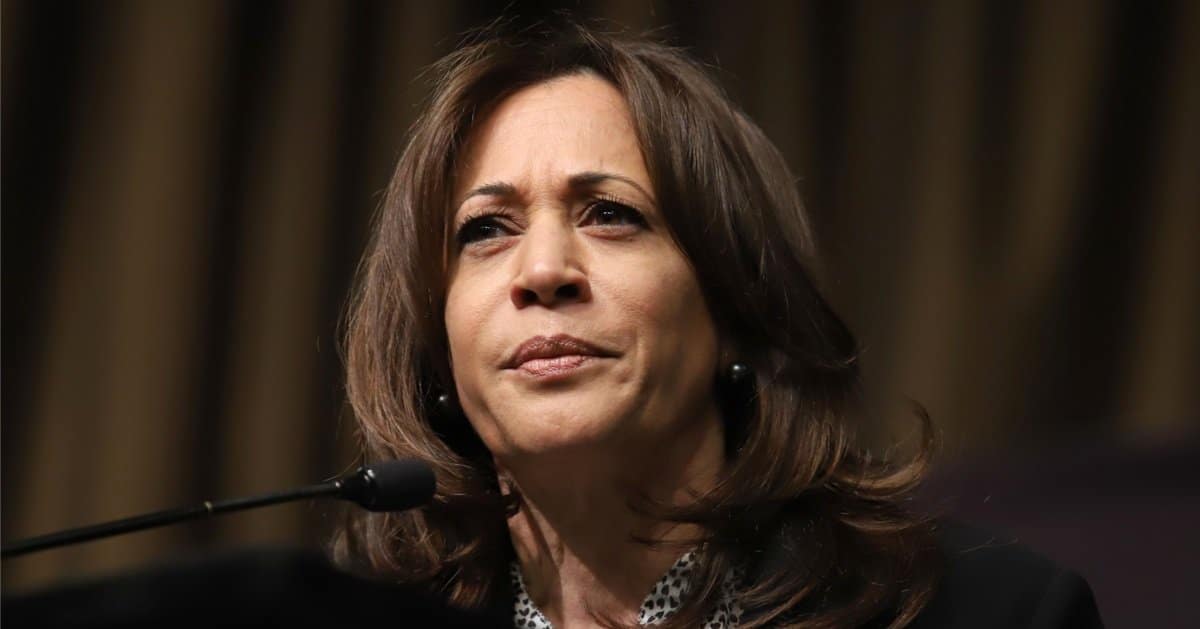


Hillary Clinton ranked her 2016 defeat alongside 9/11 and the 2008 financial crisis as hard times for Democrats, urging disillusioned voters they still matter.
Former Secretary of State Hillary Clinton told a Nebraska Democrats audience on Saturday that she understood why some in the party feel their votes no longer count, then placed her own 2016 election loss in a run of national traumas stretching across 25 years.
Fox News reported that Clinton answered a question about a disillusioned Democratic base by walking through 9/11, the 2008 financial crisis, the 2016 race, and COVID before insisting Democrats must prove to voters that they still matter ahead of the November midterms.
She framed the pitch as empathy for people who feel ignored by elected officials. The list itself put a personal campaign defeat next to mass-casualty terror, a financial meltdown, and a global pandemic.
Clinton, a former New York senator, cast the sequence in personal and national terms at once.
She told the crowd:
"And you could kind of understand that, for people who feel like they've had a series of hard times. If you look back on the last 25 years in our country, I was a senator from New York on 9/11. That was a trauma. The terrible financial crisis of 2008 was horrific for people. We had an election in 2016 that, you know, raised a lot of questions that we're still trying to find answers for about what, what kind of really went on, and then we had COVID,"
She followed with a direct appeal to voters who doubt their ballots change anything.
"So if you're somebody who is saying, does it really matter that I vote because I'm not sure I matter to the people that I'm asked to vote for? What we have to do is demonstrate as clearly as possible and then repeat over and over again, you do matter, and we're going to do everything we can to try to help you have the life you deserve to have."
Clinton added that Democrats would not allow hard work to stay “undervalued and overwhelmed by the advantages that are going to the people at the very top.” The message was classic base maintenance: acknowledge fatigue, promise results, and keep the coalition from sitting out.
That same figure has stayed busy on other fronts, including when Clinton called media limits at the White House deeply disturbing in separate remarks.
In Nebraska she also looked past Election Day. Winning majorities, she said, is not enough on its own.
"What's most important is what are you going to do with those majorities? How are you going to show people that you're actually producing results that are going to affect their lives?"
She said she was excited about Democrats “winning in November,” then pivoted to the test that follows: deliver something voters can feel.
Clinton argued that President Donald Trump’s early image as a different kind of leader has worn thin. She said voters are starting to ask whether their own lives improved while others near the president gained access and wealth.
Her line:
"I think that's kind of worn out. I think what originally seemed like, 'Oh, he's a different kind of leader. He says what he thinks.' All of that, I think that is beginning to finally sink through to people like, 'Wait a minute, am I better off? Has my life improved?' I look at other people, especially those who are doing really, really well, and they seem to be enjoying a lot of access to the president. And even the president has made a lot of money, which is so unprecedented,"
The speech stayed in campaign mode. Clinton did not present new policy details in the quoted excerpts. She sold attention, empathy, and future governing proof.
Party fractures are already a midterm subplot, with Democratic candidates dodging Kamala Harris on the trail as internal splits widen.
Asked what she would have done differently in her own career, Clinton gave a one-sentence answer: she would have won the popular vote and the Electoral College. She won the national popular vote in 2016; Trump carried the key swing states and the Electoral College. In a Netflix docuseries trailer that aired in June, she called the Electoral College an “abomination,” a system put in place in 1787.
Republican National Committee National Press Secretary Natalie Baldassarre answered the Nebraska remarks with a blunt dismissal of Clinton’s standing as a messenger.
Baldassarre said:
"Just like Democrat Dan Osborn will never be a senator, Hillary Clinton will never be president, and she's in no position to help Americans escape Democrats' delusional America-last policies she's spearheaded over the last 20 years,"
The RNC framed Clinton as a long-running architect of the very approaches that left voters cold, not as a fresh voice for repair.
Clinton’s own history with party anxiety is not new. Years earlier, the Washington Free Beacon reported Democratic advisers urging her to move up a campaign announcement amid nervousness over her email scandal, with attention shifting toward potential rivals.
That older episode sat on a different controversy. The pattern of Democratic unease around Clinton’s baggage, though, is a recurring feature of her public life.
Separate coverage has tracked other sharp Clinton interventions, including when she branded a livestream idea tied to a Fort Hood terrorist’s execution as barbaric.
On Thursday, Clinton issued her first U.S. Senate candidate endorsement of the 2026 midterms, backing Minnesota Lt. Gov. Peggy Flanagan on Bluesky.
Clinton wrote: “Minnesota, you have an opportunity to select an extraordinary person and public servant as your next U.S. senator. Please take it!”
Flanagan answered that Clinton has spent five decades fighting for working families and making the case that every child deserves a fair shot. She said she was honored by the support and would carry on that fight in the Senate.
Clinton remains a high-visibility surrogate, appearing in moments that range from campaign stops to shared tributes, including when Obama and Clinton honored Gloria Steinem after the feminist icon’s death.
Legacy fights inside the party keep surfacing too. A former Democratic fundraiser ripped a Biden memoir launch and said the party spent years hiding a weak candidate.
In Nebraska, the through-line was simpler. Clinton cast voter alienation as the product of hard years, folded her 2016 loss into that story, and told Democrats the cure is to show up, win, and then produce results people can measure in their own lives. The RNC reply was that she is the wrong messenger for that job.
When a party elder has to place her own defeat next to 9/11 and a financial crash just to convince the base the ballot still counts, the problem is larger than one Saturday speech in Nebraska.