Newly released FBI records detail Thomas Crooks’ heavily redacted chat thread and drone flights before the Butler assassination attempt, while the bureau still dribbles out files critics say keep the full story buried.
Judicial Watch obtained 249 pages of FBI records on Thomas Matthew Crooks, the gunman who tried to assassinate then-candidate Donald Trump at the July 2024 rally in Butler, Pennsylvania. The production includes a redacted chat thread, phone messaging reviews, and laboratory analysis of a drone tied to Crooks.
Breitbart News reported the watchdog group’s release after a Freedom of Information Act lawsuit filed in July 2025, when the FBI failed to answer an earlier records request.
The chat thread runs from May 21, 2023, to January 3, 2024. Incoming messages are completely blacked out. Outgoing traffic is mostly one- and two-word strings such as “Hello red,” “Yolo,” “890,” and letter mashes.
An FBI electronic communication dated July 19, 2024, describes that thread. A separate “Samsung Messaging Review” dated July 18, 2024, flagged other communications on a Crooks phone as “pertinent,” including campaign solicitations from then-Senate candidate Raphael Warnock (D-GA) and DHL shipment notifications from Hong Kong.
Supporting records fill in more of the phone trail. Fox News reported that Crooks exchanged messages about 3D-printed parts in the lead-up to the attack, including coded one- and two-word texts between 2023 and 2024.
In a February 2023 exchange, an unknown contact asked Crooks, “Did you 3D print the parts?” He replied, “Yes, except for the fan blades.” Just the News reported the same exchange among the “pertinent” texts released through the Judicial Watch FOIA push.
The New York Post reported that Crooks’ father told investigators his son once used a 3D printer to fashion a Glock 19 from carbon fiber plastic and that the father test-fired it only once out of explosion fears.
Those details sit alongside the blacked-out chat partner whose name remains redacted. The FBI has maintained Crooks acted alone. The redactions leave the public without the other half of the conversation.
Readers tracking the broader fallout will recall how Trump has pressed for accountability from former FBI Director Wray over the Butler probe itself.
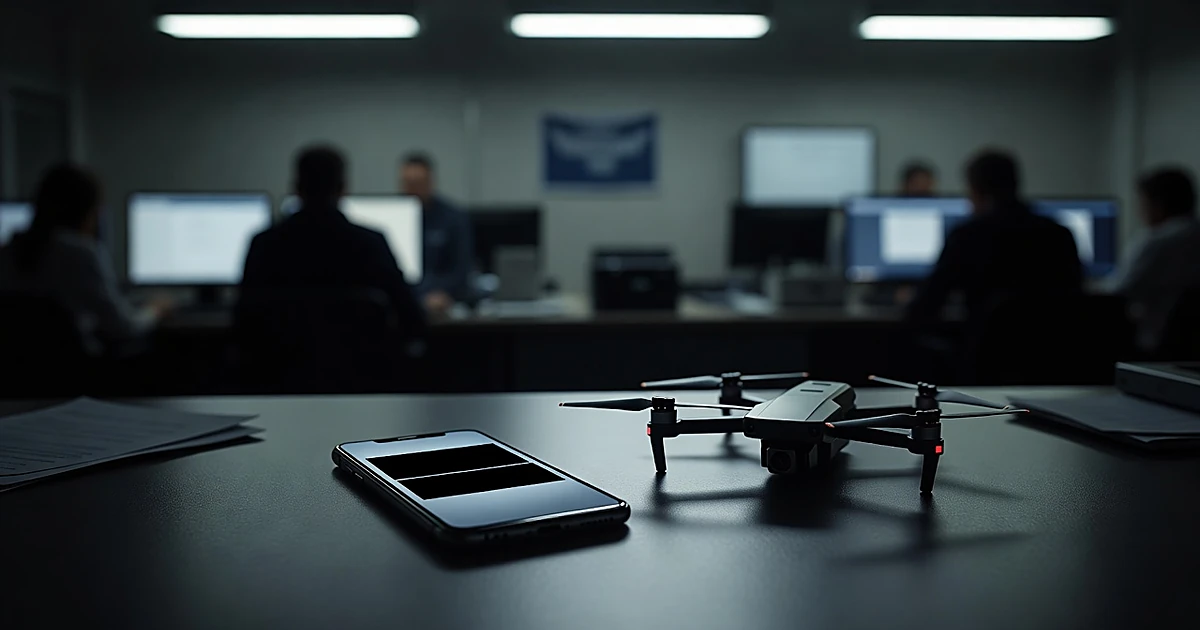
FBI laboratory analysis extracted 40 images and eight flight logs from a drone. Images and logs from February 6 to February 27, 2024, cover the Pittsburgh area, with seven flights around Allegheny-West. An eighth flight went over Butler on July 13, 2024, the day of the rally shooting. The device powered on 15 times.
That timeline places aerial activity over the attack site on the same calendar day Crooks opened fire. The records do not, in the material released so far, spell out a motive.
Security gaps around that day remain a live issue. An inspector general review found the Secret Service missed repeated chances to stop the Butler shooter before he reached a firing position.
Texts under a “January 7 Intel Chain” heading reference “two CIA bomb techs” assisting at a pipe-bomb scene and “several CIA dog teams on standby.” The absolute date of those texts and the specific scene are not clarified in the released summary.
Judicial Watch says the full investigative file runs to roughly 75,000 pages. At about 500 pages a month, production would take 12 years. That pace is the core of the group’s complaint.
Judicial Watch President Tom Fitton said the new batch still leaves major questions unanswered.
Fitton stated:
"These latest records reveal more pieces of the puzzle surrounding Thomas Crooks."
He pressed the FBI to “stop the slow drip of heavily redacted records” and release the full investigative file, “especially since the death last week of James Copenhaver,” a rallygoer wounded in the attack on President Trump.
Copenhaver’s death sharpens the demand for speed. A wounded bystander is now gone while the public file remains mostly sealed and heavily blacked out.
Threats against the Trump family have not been limited to Butler. Separate coverage has detailed how an Iran-linked agency published an assassination blueprint aimed at Melania and Barron Trump, underscoring why full transparency on prior plots matters.
In a September Truth Social post, Trump said the Butler attack “was all a Democrat Plot” and that much of the case file was “missing, altered, corrupted, or gone” by the time he took office. The FBI position remains that Crooks acted alone. The new Judicial Watch production neither resolves nor abandons those competing claims; it simply adds redacted pages and more timelines.
What the pages do show is concrete: a years-long chat with one side erased, 3D-printing talk about parts, Hong Kong DHL notices, Warnock campaign texts flagged as pertinent, and a drone over Butler on the day of the shooting.
Family security concerns have lingered well beyond the rally. Coverage of how Barron Trump has retreated into a tighter security bubble after years of threats reflects the same pressure for answers that Fitton is pressing on the Crooks file.
The FOIA fight itself is straightforward. Judicial Watch asked. The FBI did not answer. A lawsuit followed in July 2025. Two-hundred-forty-nine pages arrived with key names and incoming messages still black. The group’s math on the remaining tens of thousands of pages is the practical measure of how long “transparency” can be deferred.
Americans who watched a candidate take a bullet and a bystander later die from his wounds are entitled to the unredacted record, not another decade of partial dumps. The black bars over Crooks’ chat partner and the glacial page rate do not build confidence. They invite the opposite.