


The Supreme Court will review whether cooking meals for Nigerian terrorist leaders bars asylum, a fight the Trump administration says other circuits already settled.
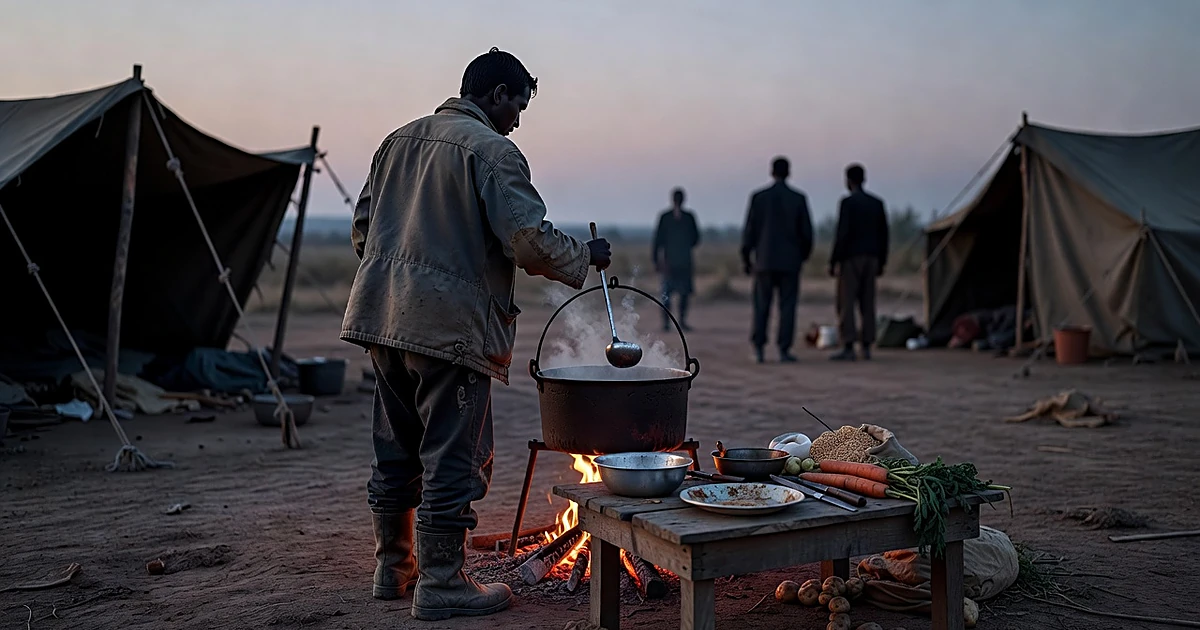
The justices agreed Tuesday to take up the case of Izuchukwu Ozurumba, a Nigerian man who cooked meals at a camp for leaders of the Unknown Gunmen, a group the U.S. government treats as a terrorist organization.
Associated Press reporting describes a core question under federal immigration law: whether that kitchen work counts as “material support” for terrorism and therefore makes him ineligible for asylum.
President Donald Trump’s Justice Department asked the Court to step in after a divided panel of the Richmond-based 4th U.S. Circuit Court of Appeals vacated Ozurumba’s removal order. The administration argues the ruling clashes with at least three other circuits and would make it harder to deport immigrants with terrorism ties.
That posture fits a broader pattern in which the administration has treated the high court as the venue that can reset immigration enforcement after lower-court losses, including fights over detention authority framed for eventual Supreme Court review in prior coverage of ICE rulings.
Ozurumba entered the United States illegally in July 2023 and surrendered to Border Patrol. An immigration judge ordered him deported to Nigeria several months later. The 4th Circuit then wiped out that order.
Before the border crossing, Ozurumba worked at a camp near his home in Lagos, Nigeria, cooking for Unknown Gunmen leaders. The group is believed to operate as separatists in southern Nigeria.
He testified that he did not know the camp’s true purpose until after he started the job. His lawyers say leaders forced him to work without pay and repeatedly threatened him after he escaped. He fled, traveled to Venezuela, then reached the U.S. border.
Those claims sit at the center of the legal fight. Federal law can bar asylum for people who provide material support to a terrorist organization, help that aids the group’s operations, not only direct violence. The government says meal service qualifies. His attorneys say forced, unpaid kitchen labor does not.
The 4th Circuit majority described him in blunt terms. The panel said it appears he was “simply a captive laborer” whose work had nothing to do with terrorist activities.
That reading is what the Justice Department wants the Supreme Court to reject.
Administration lawyers put the stakes in plain language. Providing food, they argue, keeps fighters fed the same way fuel keeps vehicles moving.
The Justice Department wrote:
"Providing meals to a terrorist organization's members is no less a material form of support than providing gasoline for its vehicles,"
Breitbart also carried the administration’s warning that leaving the 4th Circuit decision in place would hamper deportations of people with terrorism connections.
The government says the Richmond ruling conflicts with holdings from at least three other federal appeals courts. Circuit splits of that kind are classic reasons the Supreme Court grants review.
White House frustration with other Supreme Court outcomes has spilled into public view before, including when Trump rebuked the justices over tariff and birthright citizenship decisions.
Here the administration is not reacting to a loss at the high court. It is asking the Court to reverse a lower-court win for an illegal entrant who worked inside a terrorist leaders’ camp.
Ozurumba’s attorneys draw the opposite line. They say no federal court has embraced a standard that treats every contact with a terrorist group as material support, no matter how thin or involuntary.
His lawyers argued:
"No federal court has adopted the government's rule, under which any interaction with a terrorist organization, no matter how attenuated or inconsequential, qualifies as ‘material’ support,"
In their account, he was unpaid, threatened, and trying to get out. The 4th Circuit majority accepted enough of that picture to vacate the deportation order and label him a captive laborer.
The Supreme Court will now decide which frame controls: kitchen work as material aid, or kitchen work as coerced labor with no tie to terrorist operations.
That choice reaches past one Nigerian asylum file. It tests how strictly immigration courts must apply the material-support bar when the alleged help is food service rather than weapons, money, or logistics.
Relations between the president and the Court have been rocky on other fronts, and Trump has faulted his own nominees for votes he viewed as disloyal. This case still puts his administration on offense, asking the justices to restore a removal order and close what it sees as a dangerous gap.
Ozurumba’s path is familiar in today’s border cases: illegal entry, a prompt surrender to Border Patrol, a removal order, then years of litigation. What is not familiar is a published fight over cooking for leaders of a group Washington already treats as a terrorist organization.
If the 4th Circuit approach spreads, immigration judges would face a narrower path to deny asylum when the claimed support looks menial or coerced. If the Supreme Court sides with the Justice Department, meal service for terrorist leaders can bar relief the same way other forms of aid already do.
The Court has not always given the administration what it wanted on election rules and related fights, including when the justices blocked mail-ballot restrictions ahead of the 2026 midterms.
On asylum and terrorism, the administration is asking for a clear rule: feed the leaders of a terrorist group, and you do not get to stay.
Taxpayers should not have to support asylum claims from people who kept a terrorist camp fed. The justices now get to say whether the law actually means that.