The White House rolled out its own 24/7 streaming network Monday evening, a direct-to-public channel bypassing traditional media, as five major TV networks boycotted pool coverage and three banned outlets filed a First Amendment lawsuit.
The administration branded the new channel "Trump TV: The Essentials Station" and began streaming it on YouTube, opening with a replay of President Trump's July 3rd speech at Mount Rushmore. The launch landed on the same day CNN, MS Now, and Politico filed a 27-page federal complaint in U.S. District Court in Washington, arguing that their ban from White House grounds amounted to a direct constitutional violation.
The collision of events, a president building his own broadcast operation while legacy outlets mount a legal challenge and a coverage boycott, marks one of the sharpest confrontations between the executive branch and the institutional press in modern memory. And both sides appear ready to escalate.
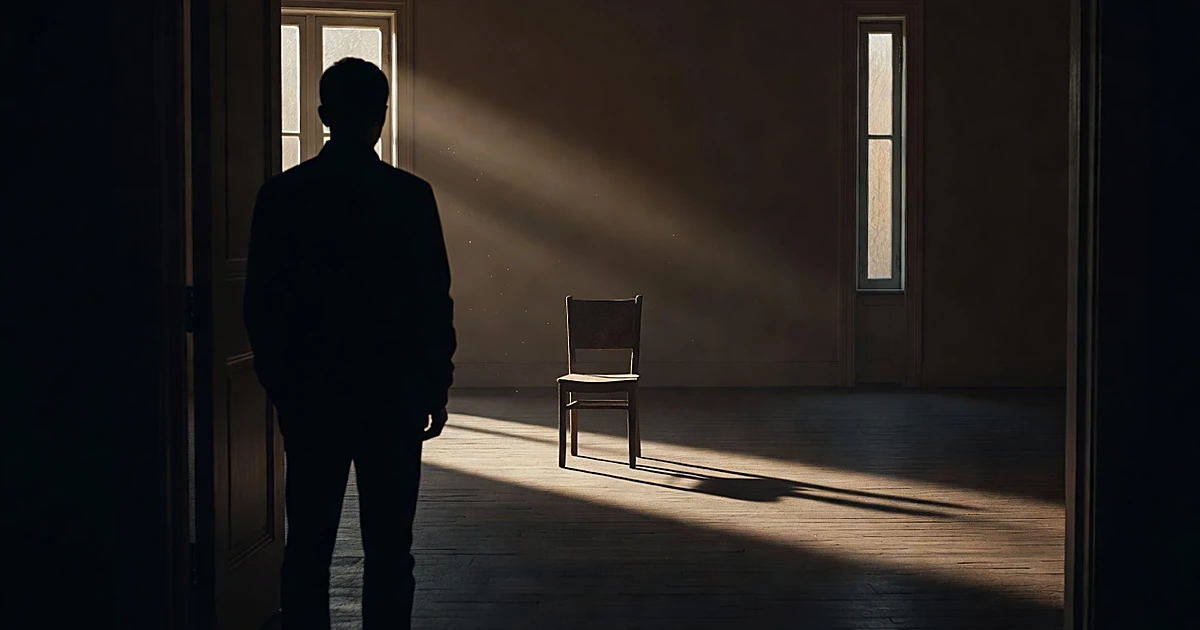
The chain of events started Friday, when Trump announced that CNN, MS Now, and Politico were barred from the White House effective immediately. Over the weekend, reporters for all three outlets were turned away from White House property. On Monday, when it was CNN's scheduled turn to staff the rotating TV pool, the shared camera setup that feeds footage to every network, the White House declined to credential the network.
That refusal triggered the broader standoff. All five members of the White House TV pool, CNN, NBC News, ABC News, CBS News, and Fox News Media, issued a joint statement and suspended pool service until further notice. The statement was blunt.
"The public has a vital interest in receiving accurate, independent information about its government. No administration should restrict a news organization because it objects to its reporting."
The boycott had an immediate, visible effect. Monday afternoon, Trump held a ribbon-cutting ceremony for a new presidential helipad on the White House grounds, part of the ongoing construction activity at the executive mansion. No major TV network aired it. The White House instead broadcast the event on its own social media channels, though Marine One engine noise drowned out Trump's remarks.
Several print newspapers joined the protest. The New York Times and The Washington Post both announced they would not publish photographs of the president taken by still photographers until after midnight, a solidarity embargo with the TV networks.
The three banned outlets did not stop at public statements. Their 27-page filing named four defendants: President Trump, White House Communications Director Steven Cheung, Secret Service Director Sean Curran, and Chief of Staff Susie Wiles. The complaint, as the New York Post reported, argued that the president's Friday announcement barring the outlets from the executive mansion "could not be a more direct assault on the First Amendment nor a more blatant violation of our most fundamental constitutional principles."
U.S. District Judge Timothy Kelly, a Trump first-term appointee, was assigned the case and scheduled a hearing for Wednesday at 3:30 p.m. Kelly carries baggage for the White House on this issue. During Trump's first term, he ruled that the administration could not ban Jim Acosta, then a CNN White House correspondent, from the press briefing room.
Trump acknowledged the history on Truth Social, writing that the outlets "have drawn a great Judge, for them, a man who ruled in favor of Jim Acosta, who now seems to have disappeared from the Planet. In other words, almost without question and, as usual, we'll go for appeal."
The president's willingness to signal an appeal before the hearing even takes place suggests the administration views the lawsuit as a longer legal fight, not a one-round skirmish. This is not the first time the White House has tangled with press access during Trump's second term. The Associated Press was previously removed from pooled access after refusing to adopt the administration's preferred "Gulf of America" terminology for the Gulf of Mexico.
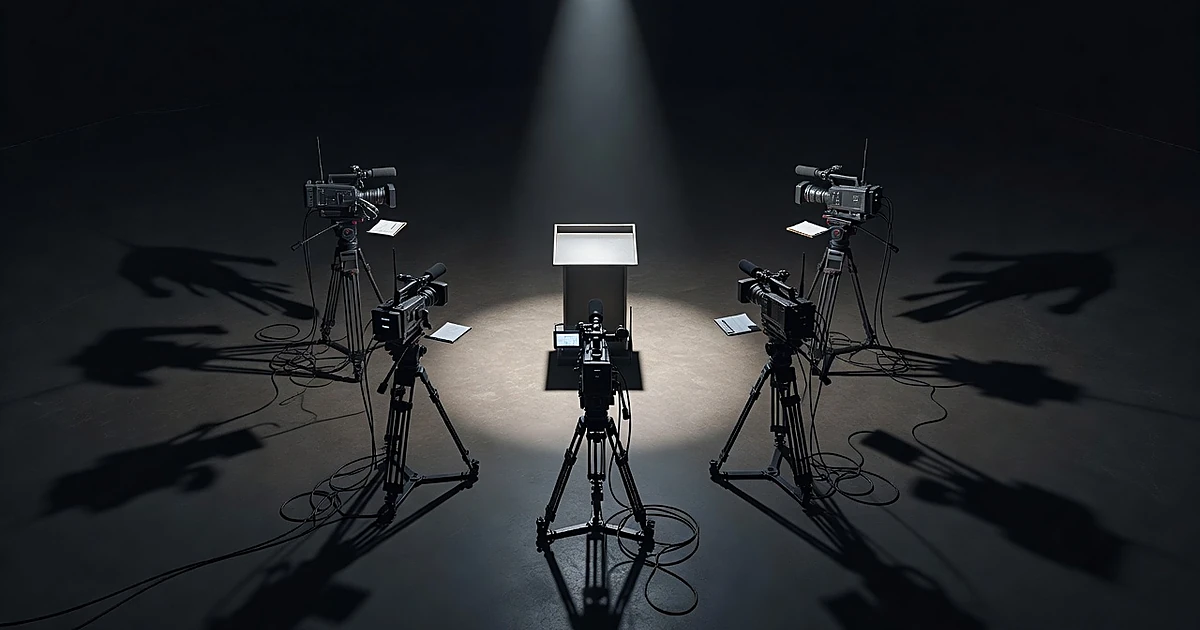
Against that backdrop, the administration's answer arrived Monday evening. "TRUMP TV IS STREAMING NOW," the White House wrote in an announcement. "24/7, updated in real time, with top past moments, announcements, and the latest and greatest from the administration all in one place. Not every big moment has made it on your tv, now it can."
Kaelan Dorr, the White House head of digital strategy, framed the channel as a showcase for the administration's "greatest hits, unfiltered," Breitbart reported. The stream launched at 7 p.m. on YouTube and the White House's official app.
The move is consistent with a broader pattern: an administration that has repeatedly sought to route around institutional media gatekeepers. When press secretary Karoline Leavitt departed earlier in the term, the White House signaled it would lean more heavily on direct communication channels. Trump TV is the logical extension, a state-run broadcast feed available to anyone with an internet connection.
Critics will call it propaganda. The White House would call it transparency. What it undeniably does is reduce the administration's dependence on the very outlets now boycotting its events. If the networks refuse to send cameras, the White House has its own.
Trump departed Washington on Monday for a two-day trip to New York, where he met with New York City Mayor Zohran Mamdani at Gracie Mansion and was scheduled to hold meetings on the sidelines of the United Nations General Assembly, including with French President Emmanuel Macron.
At the Gracie Mansion press conference, which some networks did air, Trump was characteristically unbothered by the boycott. "It's interesting because they said where they were going to boycott me, but they never boycott me, so I wasn't very worried about that," he said, gesturing to the assembled press corps. "Look at all that press."
He also addressed the broader question of why certain outlets lost their White House credentials. Just The News reported that Trump told reporters outlets have "an obligation to be fair" and that he has "an obligation not to allow" fake news outlets access. In separate remarks, he said the banned outlets were "very bad for the country, very bad for national security... So we'll see how it works out."
The White House also pushed back on the framing that press access was ever an unconditional right. "Access changes are nothing new," the administration stated. "What is new, however, is the sudden claim that it becomes sacred only when the outlets are friendly to the Radical Left. The rule was never 'every outlet gets in.' It was always 'our side stays in.'"
That argument, that the media's outrage is selective, and that previous administrations managed access without triggering constitutional crises, is one the White House plainly intends to litigate in court and in public. The administration has shown willingness to push legal fights all the way to the Supreme Court on other fronts, and Trump's Truth Social post makes clear this one will be no different.
Judge Kelly's courtroom will be the next stage. The Acosta precedent from Trump's first term looms over the case, though the White House may argue the circumstances differ. Banning a single reporter's hard pass is not the same as revoking institutional access for entire outlets, and the legal questions around what the First Amendment requires of White House credentialing remain unsettled.
The 27-page filing lays out the plaintiffs' theory in sweeping terms, calling the ban a direct assault on constitutional principles. But the White House has already signaled it considers the fight winnable on appeal, regardless of what happens Wednesday. Meanwhile, the White House grounds that CNN, MS Now, and Politico reporters can no longer enter will have a new feature: a streaming camera feeding Trump TV around the clock.
The networks chose to stop covering the president. The president chose to start covering himself. One side will blink first, and right now, neither one looks ready.