
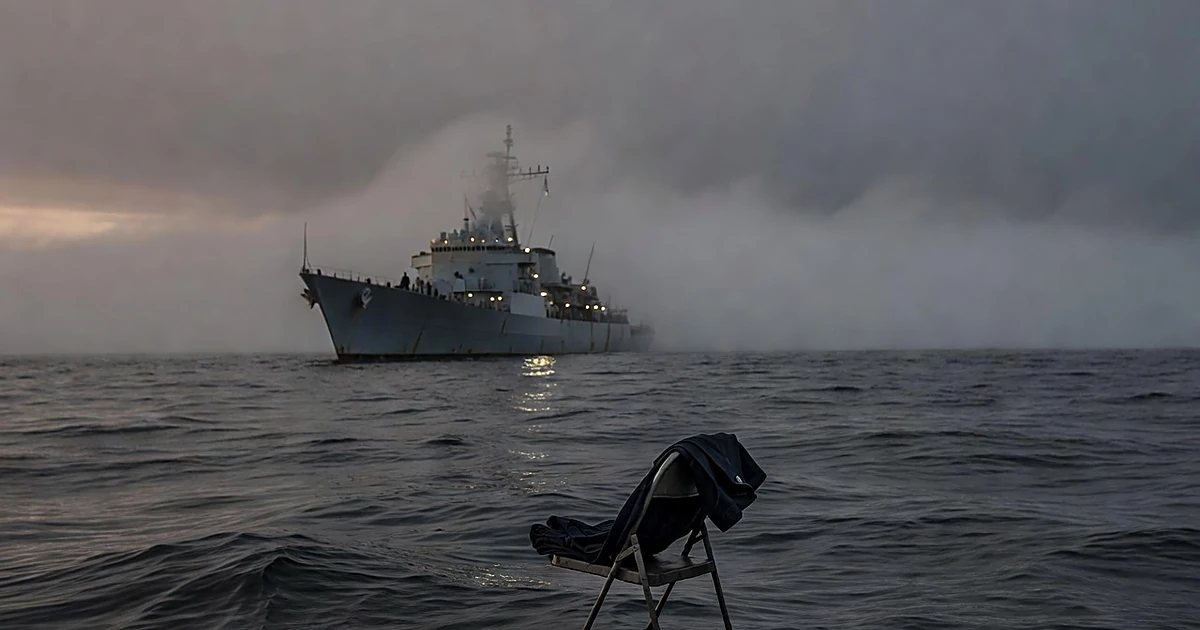
President Donald Trump declared Wednesday that the United States would strike Iran again, escalating a rapid military confrontation that began when an American helicopter went down near the coast of Oman earlier in the week. Speaking in the Oval Office during the signing of the Secure America Act, Trump left no ambiguity about his intentions.
"We're going to be attacking them and attacking them very hard," Trump told reporters at the White House on Wednesday, June 10, 2026. "We hit them hard yesterday and we're going to hit them again hard today."
The remarks came after U.S. Central Command confirmed that American forces had completed self-defense strikes against Iran on Tuesday at the president's orders, a direct response to the downing of a U.S. Army AH-64 Apache helicopter. Two crew members were aboard. Both soldiers were safely rescued within two hours by American forces.
The sequence of events moved fast. On Monday, CENTCOM reported that the Apache went down near the coast of Oman while patrolling regional waters. By Tuesday, U.S. forces had already launched retaliatory strikes against Iran. By Wednesday morning, Trump was posting on Truth Social and promising more.
Trump accused Tehran of stalling nuclear negotiations and targeting American servicemembers. He said the U.S. and Iran had been "really close to a deal", one he described as "fully negotiated", but that Iran kept dragging its feet.
"They've agreed to that. It's fully negotiated, but they're tapping and tapping. And I say, 'All right, let's give them a couple of more days'... because it's a meaningful paper. They know when they sign that paper it's meaningful."
That patience, Trump made clear, had run out. He accused Iran of "playing us for suckers."
When reporters asked whether the U.S. would target Iranian power plants and bridges, Trump declined to give specifics. He did, however, offer a broader warning.
"We have the strongest military anywhere in the world. And sometimes you'll have to use it."
Earlier Wednesday, before his Oval Office remarks, Trump posted a blistering message on Truth Social. He claimed Iran's military infrastructure had already been severely degraded by American strikes.
"Much of it, like their Navy and Air Force, doesn't even exist anymore, They have been completely defeated."
He went further, declaring that Iran "is all talk and no action" and that Tehran had "taken too long to negotiate a deal that would have been great for them, now they will have to pay the price!!!" Trump also described Iran's military as "a complete and total mess."
Those are sweeping claims, and the full scope of damage from Tuesday's strikes has not been publicly detailed. CENTCOM characterized them as "self-defense strikes" carried out at the president's orders in response to the helicopter shootdown, but the specific targets remain undisclosed.
Trump had previously pledged a military response after Iran downed the Apache helicopter, and Wednesday's remarks confirmed that the administration views the situation as an ongoing operation, not a one-day event.
Woven through Trump's combative statements was a thread of frustration over nuclear diplomacy. He said the two sides had reached agreement on terms, "It's fully negotiated," he insisted, but that Iran kept delaying a final signing.
Trump said Iran "cannot be allowed to have a nuclear weapon," a position he has held consistently. But his characterization of Tehran as deliberately stalling raises questions about whether the diplomatic track is effectively dead, at least for now.
The president had earlier told negotiators not to rush a nuclear deal while also insisting Iran would never obtain a weapon, a balancing act that some GOP senators had already pushed back on. Wednesday's shift to open military action suggests that balance has tipped decisively toward force.
What remains unclear is the status of those negotiations now. Trump's own words, accusing Iran of "tapping us along", suggest he believes the talks were never heading toward a genuine conclusion. Whether Tehran sees it the same way, or whether any back-channel diplomacy continues, is not addressed in the available reporting.
The timeline tells its own story. Monday: an American helicopter goes down near Oman. Tuesday: U.S. forces strike Iran. Wednesday: the president promises more strikes and declares Iran's military broken. Three days, and the posture shifted from patrol operations to open combat.
The two Apache crew members were rescued safely, and no American casualties have been reported. But the speed of the response, and the scale of Trump's rhetoric, marks a significant escalation in the long-running standoff between Washington and Tehran.
Trump's willingness to act quickly stands in contrast to years of cautious maneuvering by previous administrations when confronted with Iranian provocations. Whether one views that as decisive leadership or dangerous escalation depends largely on what comes next.
The president's broader national security posture has drawn scrutiny on multiple fronts. His recent shake-up of intelligence leadership raised questions about continuity at a moment when real-time intelligence is critical. And his Pentagon personnel decisions have drawn both praise and criticism from lawmakers on both sides.
For all of Trump's confidence, significant gaps remain. The specific Iranian targets struck on Tuesday have not been publicly identified. The evidence cited for attributing the Apache shootdown to Iran has not been released in detail beyond CENTCOM's characterization. The names, ranks, and units of the two rescued soldiers have not been disclosed. And whether either crew member was injured remains unreported.
Trump's claim that Iran's Navy and Air Force "doesn't even exist anymore" is a bold assertion that no independent assessment has confirmed. It may prove accurate, or it may prove to be the kind of wartime rhetoric that outpaces the facts on the ground. Time and satellite imagery will tell.
What is clear is that the United States is conducting active military operations against Iran, the president has promised more, and the diplomatic off-ramp he once described as "fully negotiated" appears to have collapsed, at least in the president's telling.
Iran shot at an American helicopter. America shot back. And the president of the United States says he's not done. Whatever comes next, nobody can say they weren't warned.