Trump announced a $21 billion GlobalFoundries agreement for two chip plants in Malta, N.Y., with Japan providing the capital and tens of thousands of jobs projected.
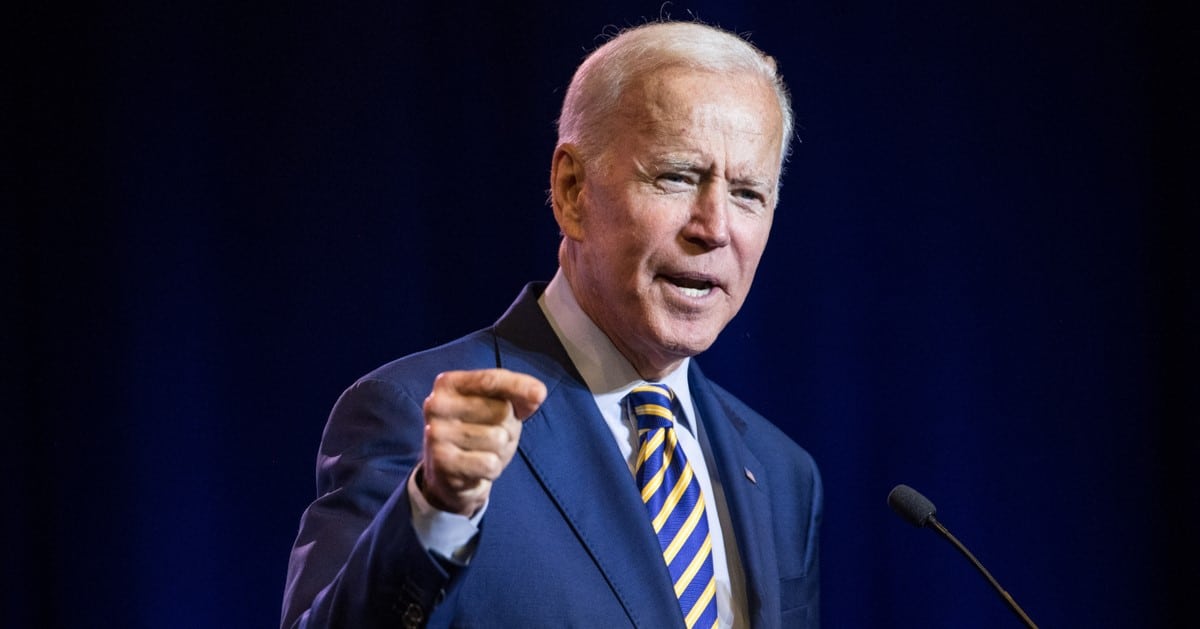
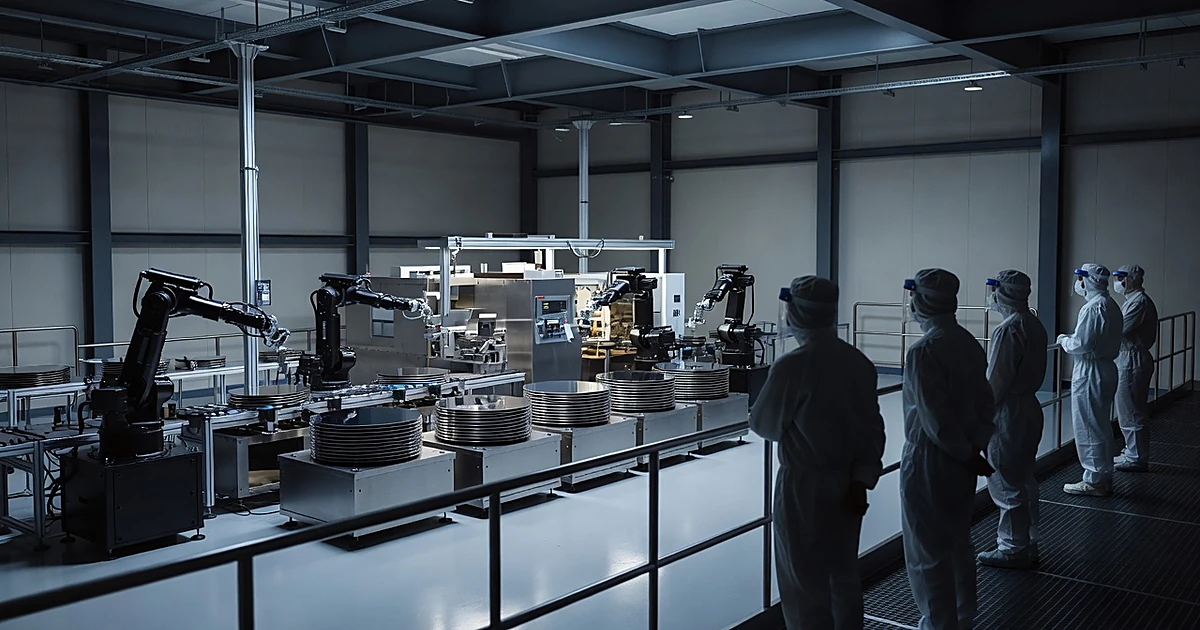
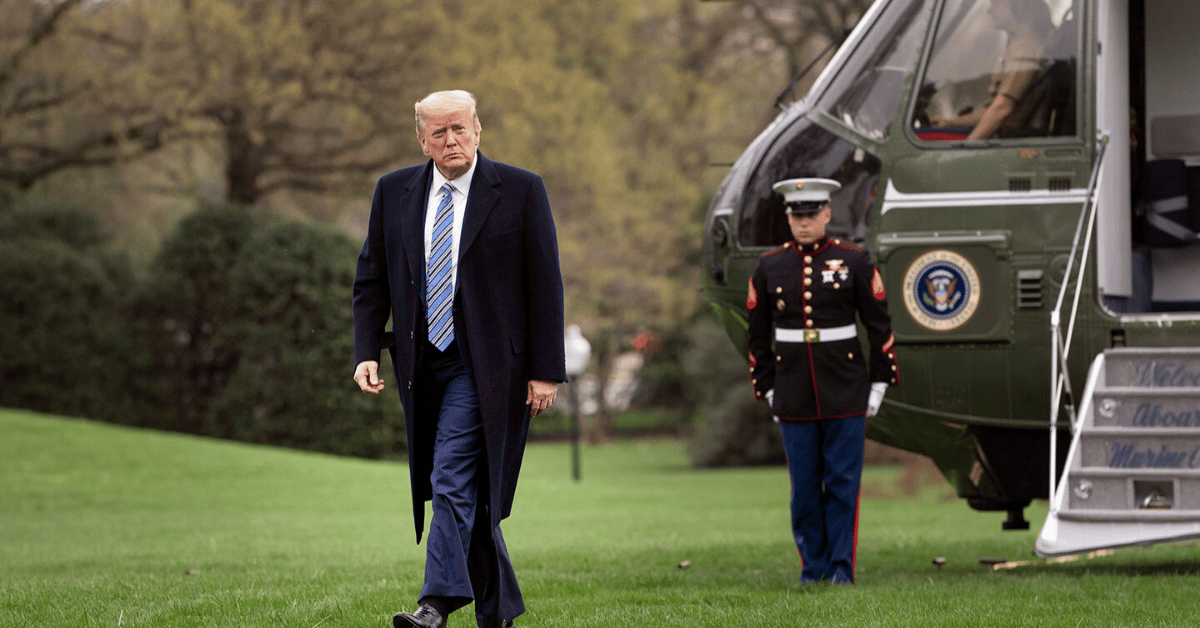
President Donald Trump said Wednesday that he had reached an agreement with GlobalFoundries to put $21 billion into two new semiconductor manufacturing facilities in Malta, New York. He made the announcement in a Truth Social post and framed the project as a direct win for domestic industry and national security.
Just the News reported the president’s post, which cast the deal as a joint announcement with the Department of Commerce under Secretary Howard Lutnick. Trump said the plants would expand U.S. chip capacity at a time when production remains heavily concentrated in Taiwan.
Semiconductors power everything from phones to defense systems. Both the Biden and Trump administrations have pushed to bring more of that work home. Trump presented this agreement as proof his trade agenda is delivering brick-and-mortar results in New York.
In the post, Trump put the scale of the project in plain terms and tied it to his Commerce team.
He wrote:
"Today, under my leadership, GlobalFoundries and my Department of Commerce led by Secretary Howard Lutnick announced a MASSIVE 21 BILLION INVESTMENT to build 2 giant new Semiconductor Manufacturing Facilities in Malta, New York,"
He then said the money would not come from U.S. taxpayers alone. Under his direction, he claimed, Japan will fund the full $21 billion investment. That claim sits in his announcement; the Just the News account did not independently detail the Japanese entities, loan terms, or equity structure behind it.
Trump has pressed allies and trading partners to put capital into American industrial capacity. The same trade-first approach has shown up in other recent moves, including plans for new tariffs on dozens of countries aimed at protecting U.S. workers and supply chains.
Job numbers were central to the pitch. Trump said the project would create large short-term and long-term employment gains in New York.
He stated:
"This DEAL will create 27,000 high paying Construction and Supply Chain Jobs and over 1,000 additional highly skilled Manufacturing Jobs in New York."
Those figures are the president’s projections from the announcement. The reporting did not spell out the multi-year build schedule, wage bands, or which contractors would hire first. Even so, a two-plant semiconductor build of that size would pull in heavy construction crews, equipment suppliers, and specialized factory talent if it moves as described.
Malta sits in New York’s Capital Region, already known for chip and tech work. Adding two major facilities would deepen that footprint and give the state a clearer stake in the push to cut reliance on overseas foundries.
Trump did not treat the GlobalFoundries pact as a one-off. He linked it straight to the trade agreements his administration has pursued.
He wrote:
"This DEAL is a result of my HISTORIC TRADE DEALS to REVITALIZE the American Industrial Base, create HUNDREDS OF THOUSANDS OF GREAT AMERICAN JOBS, and strengthen our National and Economic Security."
That message matches a broader pattern of industrial announcements. He has also rolled out billions in mining investments meant to rebuild the raw-material base that advanced manufacturing needs.
Chip plants depend on secure inputs, reliable power, and friendly capital. By pairing a Japanese funding claim with a New York site and Commerce Department involvement, Trump is arguing that diplomacy and trade leverage can land factories on U.S. soil instead of leaving production clustered in East Asia.
National and economic security run through the same argument. Vulnerable supply lines for critical components have been a bipartisan worry for years. Trump’s post cast the Malta project as one more step toward closing that gap, in line with other hard-power signals such as his warning that the U.S. may join Saudi strikes after an attack that killed an American.
The public record in the initial report rests heavily on the Truth Social announcement. It does not include a separate GlobalFoundries press release, a Commerce Department contract summary, or a Japanese government communique spelling out the capital mechanism.
Open questions include the exact construction timeline, the process technology the plants would run, and how the 27,000 construction and supply-chain roles phase in against the 1,000-plus permanent manufacturing jobs. Voters and local officials will want those details as shovel-ready plans firm up.
Still, the core claim is straightforward: a $21 billion, two-facility semiconductor expansion in Malta, announced by the president with his Commerce secretary’s department named alongside GlobalFoundries, and with Japan described as the capital source.
For workers in New York and for companies that need trusted U.S.-based chips, the test will be execution. Announcements do not pour concrete. But a president who keeps stacking large industrial commitments is putting pressure on the old model that left critical manufacturing thousands of miles away.
Domestic factories, allied capital, and trade leverage beat dependence on distant supply chains every time.