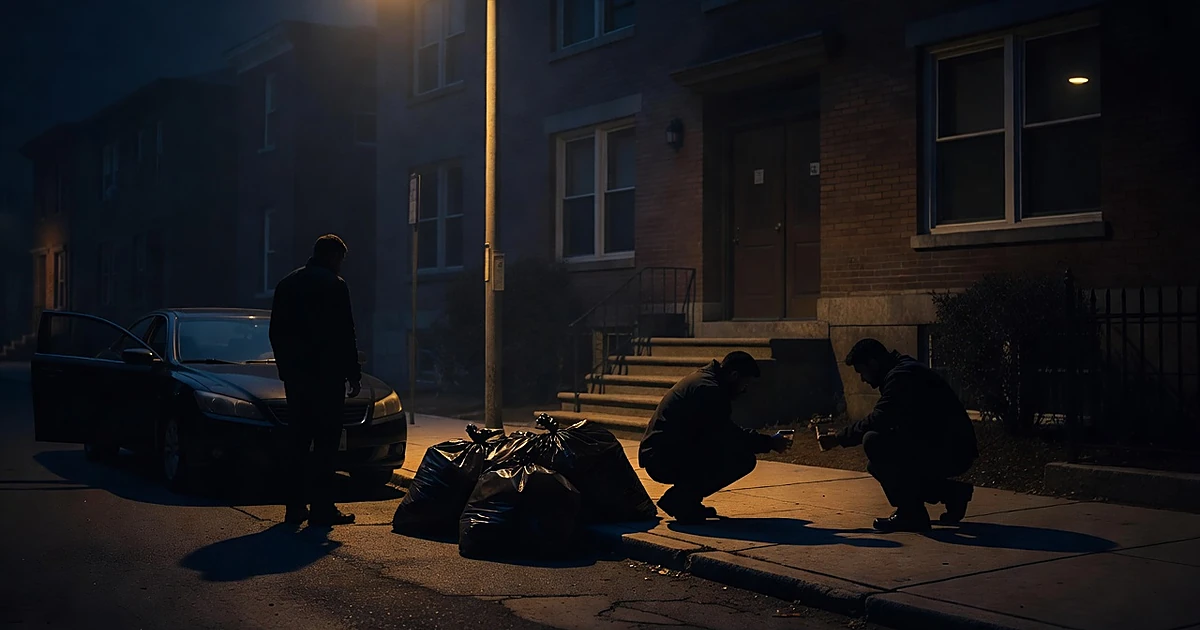





President Trump is celebrating narrow Supreme Court rulings that keep his agenda moving, even when the justices stop short of deciding the underlying disputes.
The latest victory came in a 5-4 ruling that allowed construction of Trump’s $400 million White House ballroom project to continue. The justices overturned setbacks imposed by two lower federal courts, the Washington Examiner reported.
The majority did not decide whether Trump had authority to tear down the East Wing without congressional approval. But it removed the immediate legal barrier to above-ground construction, giving the administration a practical win while the broader dispute remains unresolved.
Trump told reporters Wednesday that the ruling left “a lot of very happy construction workers.” He also said the project was “under budget and ahead of schedule.”
The project includes a privately funded ballroom, an underground military facility, and added security infrastructure, Fox News reported. The administration has called the ballroom vital to national security after recent attempts on Trump’s life.
The majority found that the National Trust for Historic Preservation lacked standing to sue. Standing means a plaintiff must show a concrete injury that gives the person or group a legal right to bring the case.
One member’s “mere offense, disagreement, or distaste” toward the project did not meet that standard, the majority held. That conclusion cleared the way for around-the-clock work on the ballroom’s above-ground portion.
Chief Justice John Roberts joined the three liberal justices in dissent. Roberts called the administration’s conduct “likely unlawful” and argued that the plaintiff’s connection to historic preservation deserved greater weight.
Roberts also warned that the ruling could let the executive branch infringe on Congress’s spending power and authority over federal property in the District of Columbia. The majority, however, confined its decision to whether the challenger belonged in court.
That distinction matters. Courts do not exist to settle every political disagreement, and standing rules keep judges from taking control of disputes brought by plaintiffs without a direct legal injury.
Under the Court’s reading, experts said Congress may be the only viable challenger to the project. The administration maintains that express congressional approval was unnecessary and that it completed the required reviews and permits, The Hill reported.
Construction lawyer Joshua Wurtzel identified the practical risk facing opponents: The project could be completed before a court ever decides the merits. At that point, an order halting further work might offer little relief.
Readers can find more details on the decision in our earlier ballroom ruling coverage.
The ballroom case fits a broader pattern. The Supreme Court has issued limited or procedural rulings that let Trump administration policies proceed while lower-court lawsuits continue.
Similar orders allowed the administration to withhold $4 billion in foreign aid and keep several grants frozen during ongoing challenges. Those decisions did not necessarily settle every underlying legal question, but they prevented lower courts from stopping the policies in the meantime.
Last summer, the majority lifted an order requiring the administration to reinstate hundreds of laid-off Education Department employees. That allowed Trump’s plan to dismantle the department to move forward.
The Court’s expanding workload reaches well beyond executive power. Its Second Amendment docket also carries major consequences for constitutional rights.
In another recent order, the administration won temporary relief over mail-in voting restrictions for the midterms. The majority ruled that Democratic-led states had challenged U.S. Postal Service regulations too early and dismissed a lower-court injunction.
The Justice Department then asked the Supreme Court to lift a second block imposed by a federal judge in Boston. Justice Jackson dissented from the first ruling and accused the majority of adopting a “Catch-Me-If-You-Can approach.”
The administration also prevailed in April 2025 when the Court set aside an order blocking use of the Alien Enemies Act to remove Venezuelans from the country. Once again, the order gave the executive branch room to act before lower courts finished reviewing the dispute.
Other pending constitutional fights include the Cook County gun case, another test of how the justices will apply constitutional limits to government power.
Critics focus on the Court’s emergency docket, where the justices can act without the ordinary full briefing and argument. New York University law professor Melissa Murray said lifting an injunction lets the government continue its policy, even without a final ruling on its legality.
Murray also said the Trump administration has enjoyed more success with that process than either the Biden administration or Trump’s first administration. In her view, many people mistake a ruling about jurisdiction for a final judgment on the merits.
That warning is legally sound but politically incomplete. If a lower court has stopped the elected executive branch from acting, lifting that order changes what the government can do today. A procedural victory can carry substantial consequences.
The Education Department dispute produced one of the sharpest dissents. Justice Sonia Sotomayor wrote, as The Hill reported:
“The majority is either willfully blind to the implications of its ruling or naive, but either way the threat to our Constitution’s separation of powers is grave,”
The majority still allowed the administration’s plan to proceed. Dissents explain disagreement, but they do not govern the executive branch or bind lower courts.
The political dispute surrounding the Court also extends to its structure, including congressional divisions over keeping nine justices.
White House spokesperson Davis Ingle said Trump was moving quickly because his administration had no time to waste in carrying out its mission. That speed also puts pressure on challengers who depend on injunctions to delay policies or construction.
Trump’s description of these rulings as victories is technically correct, as Murray acknowledged. The administration sought relief from lower-court orders, received it, and continued acting.
That does not turn every emergency order into a final judgment. The ballroom majority left open the question of presidential authority over the East Wing project, just as other disputes remain active in lower courts.
But opponents cannot dismiss these rulings as empty technicalities. Construction continues, funds remain frozen, personnel decisions take effect, and executive policies move ahead.
The proper answer is not to weaken standing rules whenever the left dislikes an outcome. Courts should decide genuine legal injuries, while elected branches remain accountable for the powers the Constitution gives them.