


The Los Angeles Medical Examiner's office has ruled that former child star Daveigh Chase died of acquired immunodeficiency syndrome, listing chronic polysubstance use as a significant contributing condition. The manner of death was ruled natural. Chase was 35.
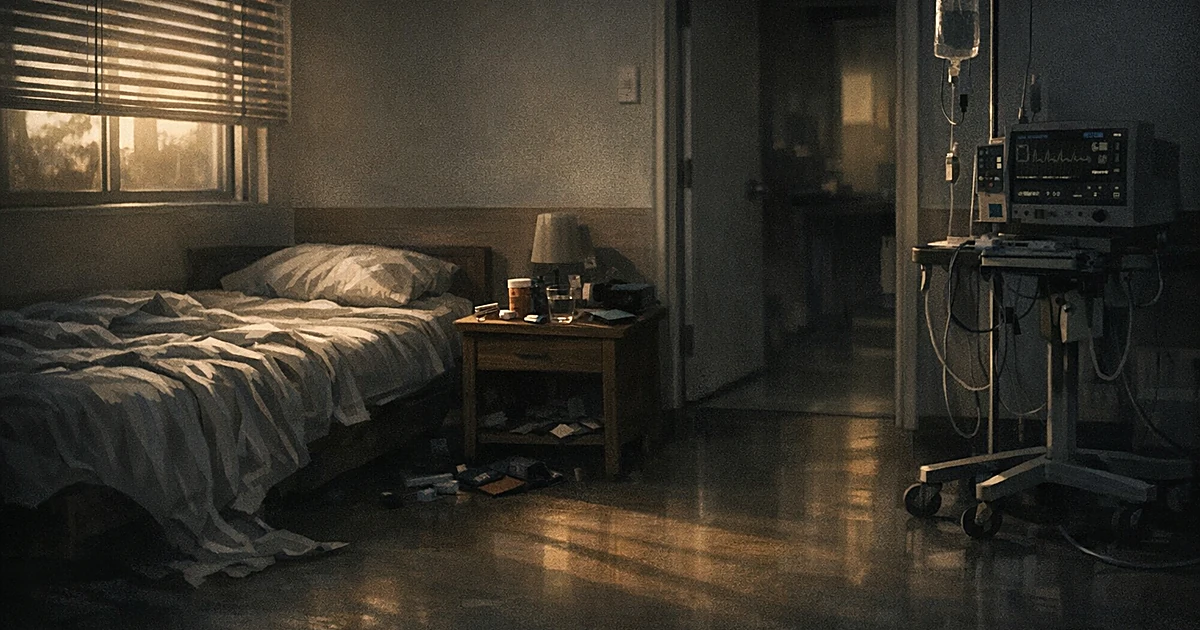
The finding, reported by Fox News Digital, arrived roughly two weeks after Chase died on June 16 in a Los Angeles hospital. Her body was not brought to the coroner's office. The official determination contradicts the account her father gave to NBC News shortly after her death, and it has deepened a bitter dispute between Chase's family and the man described as her boyfriend over who controls her final arrangements and a crowdfunding campaign launched in her name.
Chase voiced Lilo in the Oscar-winning animated Disney film "Lilo & Stitch" at only eight years old. She went on to record more than 60 episodes of the spinoff series and lent her voice to video games and other multimedia projects. She also starred as the terrifying Samara in the 2002 DreamWorks horror film "The Ring", a role that earned her the Best Villain award at the 2003 MTV Movie Awards, beating out Mike Myers, Colin Farrell, Willem Dafoe, and Daniel Day-Lewis.
Chase's father, John Schwallier, told NBC News via text that his daughter "died of complications of bacterial meningitis and a blood infection." He also said she "was suffering from severe malnutrition." The medical examiner's determination does not mention meningitis or blood infection as the primary cause, it names AIDS.
Whether bacterial meningitis and sepsis were complications related to the underlying AIDS diagnosis is not addressed in the official finding or in any public statement from the medical examiner's office. The New York Post reported that meningitis and several serious blood infections causing sepsis marked Chase's final days, but the primary cause listed on the medical examiner's determination remains AIDS.
The gap between the family's initial explanation and the official finding leaves open questions that no one involved has publicly reconciled.
Chase's trajectory from Hollywood child star to homeless addict is the kind of story that plays out with grim regularity in an industry that chews through young talent and moves on. Breitbart reported that Chase became addicted to opioids after a 2016 motorcycle accident, during which doctors prescribed oxycodone for a back injury.
Her mother, identified only as Cathy, told reporters: "The drugs took hold of her."
Chase ended up living on Skid Row in Los Angeles, visibly malnourished. Her former manager, John Ryan Jr., said he had been trying to locate her before her death. The New York Post reported that Ryan was unable to find her in time to help.
"We were so close to finding her. Daveigh was the sweetest and brightest light in Hollywood. I can't believe this is real. Her legacy and work will live on forever."
That was Ryan's statement after Chase's death. The timeline, a prescribing decision after an accident, addiction taking root, homelessness, and then death at 35, mirrors a pattern familiar to anyone who has followed the opioid crisis's toll on Americans across every walk of life. It is a pattern that has also claimed former NFL defensive end Josh Mauro, whose death was attributed to an accidental mix of fentanyl, cocaine, and alcohol.
TMZ first reported Chase's death through Roy Hernandez, described as her boyfriend. Hernandez launched a GoFundMe campaign under Chase's name. The stated purpose and amount raised have not been publicly detailed, but the campaign immediately drew fire from Chase's family and former management.
Ryan told Deadline that the fundraiser was unauthorized and misleading.
"Daveigh's estate has plenty of means to pay for the cremation."
He went further, stating that Chase's father, John Schwallier, "is next of kin and never signed any paperwork over to this so-called boyfriend." Ryan said the family had contacted GoFundMe directly, urging the platform to shut the page down.
"This man making these claims brought her into the hospital in terrible condition and didn't let any of the family know until she passed so he can control the dialogue. Daveigh's actual family is handling all arrangements."
Ryan also urged the public not to donate, saying that he, Chase's father, her uncle, and close friends "who knew her for decades" were all discouraging contributions. Hernandez, for his part, wrote on the GoFundMe page that Chase's wish was simple. "All she ever wanted was a place where we could live together, feel safe, and be happy," he stated.
Whether GoFundMe took any action after the family's complaint is not publicly known. The dispute remains unresolved in any official sense. It is worth noting that crowdfunding fraud around celebrity deaths is not a new phenomenon, and platforms face recurring pressure to verify the legitimacy of campaigns tied to high-profile names.
The broader question of accountability in celebrity death cases, who had access, who made decisions, who profited, has become a recurring theme in recent years.
Chase landed the role of Lilo when she was eight. She worked alongside Tia Carrere and Chris Sanders on the original film and built a career voicing the character across the franchise. Her turn in "The Ring" made her a fixture in horror culture. Beating four established adult actors for an MTV award at that age was no small thing.
But child stardom in Hollywood carries risks that are well documented and rarely addressed with any seriousness by the industry itself. Chase's story, early fame, physical injury, opioid prescription, addiction, homelessness, and death, is not unique. It is a template.
When we first reported Chase's death, the initial accounts focused on meningitis and sepsis. The medical examiner's finding now paints a fuller and more troubling picture.
Several questions hang over this case. What specific substances fall under the "chronic polysubstance use" listed by the medical examiner? How long had Chase been living on Skid Row? Did any institution, medical, social, or otherwise, intervene before she reached the hospital in what Ryan described as "terrible condition"?
The medical examiner's report settles the clinical question of what ended Daveigh Chase's life. It does not settle the human questions: who was looking out for her, who failed her, and whether the GoFundMe campaign bearing her name serves her memory or exploits it.
Sudden and tragic deaths of public figures, from art influencers abroad to former athletes at home, keep forcing the same uncomfortable reckoning. Fame does not protect people. Often, it isolates them from the very networks that might.
Chase voiced one of the most beloved characters in American animation. She died on Skid Row at 35. The distance between those two facts tells you everything about what Hollywood values, and what it discards.