


The House failed Thursday to pass a short-term extension of Section 702 of the Foreign Intelligence Surveillance Act, leaving one of America's most important intelligence-gathering tools on the brink of an unprecedented lapse. The authority expires Friday at midnight.
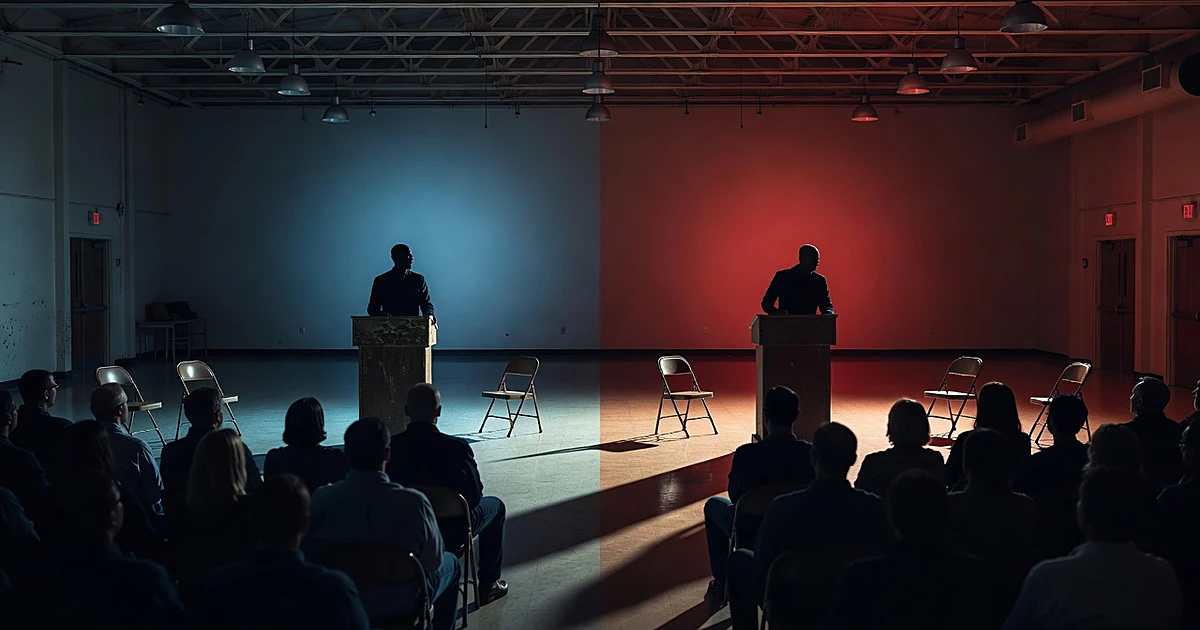
The collapse came after Democrats announced they would block the measure unless President Donald Trump withdrew his appointment of Bill Pulte as acting director of national intelligence, turning a routine surveillance reauthorization into a political standoff over personnel.
The result: the CIA, NSA, and FBI now face the prospect of losing their ability to collect communications from foreign targets overseas without a warrant, just as the World Cup begins in cities across the country and the nation prepares to mark its 250th anniversary. Senators Tom Cotton of Arkansas and Chuck Grassley of Iowa, chairmen of the Senate Intelligence and Judiciary committees, respectively, warned the administration to prepare "for a potential significant gap in foreign intelligence collection."
The irony is that Republicans and Democrats had recently worked out a bipartisan compromise bill to renew the surveillance authority. That deal unraveled after Trump announced Tuesday that Pulte, currently the head of the Federal Housing Finance Agency, would take over as acting director of national intelligence starting June 19, earlier than expected.
Democrats objected that Pulte lacks relevant intelligence experience and that his appointment allegedly defies a legal requirement for "extensive" national security background. House Democratic leader Hakeem Jeffries and his leadership team issued a joint statement framing their opposition around Pulte's record at the housing agency:
"The apparent motivation for his elevation is the demonstrated willingness of Bill Pulte to search government databases for alleged dirt on President Trump's chosen political enemies."
Democrats on the House Intelligence Committee, led by Rep. Jim Himes of Connecticut, sent a separate letter to the president calling Pulte a "uniquely poor choice" to serve even temporarily. Himes and his colleagues wrote that Pulte "has distinguished himself only as someone who will do or say anything to stay in your good graces," adding those were "qualities that are precisely the opposite of what our nation needs."
Set aside the rhetorical heat. The practical question is whether Democrats are genuinely concerned about intelligence oversight, or whether they are using FISA as leverage to dictate who serves in the executive branch. Jeffries acknowledged a path to reauthorization exists "but it will require enacting meaningful reforms." In other words: meet our demands, or the surveillance tool goes dark.
Trump refused to budge. He asked Congress for a short-term extension to "provide time for the selection and confirmation" of a permanent director following Tulsi Gabbard's resignation. He told reporters flatly: "We can't let them extort us."
The president said last week he would not permanently nominate Pulte to the position and has said he is interviewing five candidates for the permanent role. House Speaker Mike Johnson framed the appointment as temporary and limited, saying Trump made clear Pulte would serve a "very short term, a sort of renovation role" to help the Office of the Director of National Intelligence be "renovated and downsized."
Johnson, who has been coordinating closely with the president on major legislation, urged members to support the extension on its merits.
"We're going to ask every member here to do the right thing. We cannot allow that to go dark."
But the vote collapsed anyway, with opposition from both sides of the aisle.
The breakdown was not exclusively a Democratic operation. Congressional Republicans lobbied the White House all week to quickly nominate a permanent replacement for the intelligence post. Senate Majority Leader John Thune said Republican leaders have "made our views known" to the White House, a diplomatic way of signaling discomfort without open confrontation.
The White House reportedly reached out to Pete Hoekstra, Trump's ambassador to Canada and a former chairman of the House Intelligence Committee, about the job. That outreach came from a person familiar with the process who requested anonymity.
Johnson has been navigating an increasingly tight legislative calendar. House Republicans face mounting pressure to deliver on the president's broader agenda before midterm elections, and losing floor time to a FISA standoff does nothing to help that cause.
Sen. Mark Warner of Virginia, the top Democrat on the Senate Intelligence Committee, called Pulte's appointment "a live hand grenade" disrupting the process. Warner said he would support a short-term extension only if principal deputy director of national intelligence Aaron Lukas serves as acting leader during the extension, yet another condition layered onto the negotiation.
At the center of the dispute is Bill Pulte's record at the Federal Housing Finance Agency. He has been linked with criminal referrals over allegations of mortgage fraud by public officials Trump sought to hold accountable, including New York Attorney General Letitia James, California Sen. Adam Schiff, and Federal Reserve board member Lisa Cook.
Democrats argue this record shows Pulte would weaponize intelligence databases for political purposes. The White House position, as conveyed through Johnson, is that Pulte's role is narrow and temporary, focused on restructuring the intelligence bureaucracy, not running covert operations.
Whether one finds the Democratic objections sincere or opportunistic, the effect is the same: a surveillance authority that intelligence professionals across both parties have called essential to national security now faces a lapse that no one in Washington claims to want.
The Senate may attempt its own vote later Thursday, though it remains unclear whether any measure can clear both chambers before midnight Friday. Cotton and Grassley's warning about a "significant gap in foreign intelligence collection" suggests even senior Republicans on the intelligence committees expect the tool to lapse.
Johnson has been a consistent voice backing the president's national security posture in recent months, but on this vote he could not hold his own conference together, let alone peel off Democrats.
The standoff exposes a pattern that should trouble anyone who takes national security seriously. Democrats spent years defending FISA as an indispensable counterterrorism tool, and spent years accusing Republicans who raised civil-liberties concerns of endangering the country. Now, with the shoe on the other foot, they are willing to let the authority lapse entirely over a temporary personnel decision they lack the votes to block through normal confirmation channels.
Trump, for his part, has said he will not let Congress dictate his staffing choices through legislative hostage-taking. That is a defensible constitutional position. But the practical reality remains: Section 702 expires at midnight Friday, and no one appears close to a deal.
The broader legislative environment only adds urgency. Johnson-allied groups have invested heavily in building public support for the president's domestic agenda, and every week consumed by avoidable standoffs is a week lost on taxes, spending, and border security.
Democrats will frame this as a story about an unqualified nominee. Republicans will frame it as a story about Democratic obstruction. Both framings contain a grain of truth, but only one side chose to hold a critical national security tool hostage to make a personnel argument it could have waged through hearings, public pressure, and the confirmation process itself.
Section 702 does not collect intelligence on Bill Pulte's qualifications. It collects intelligence on foreign adversaries. The Americans who depend on that intelligence, soldiers, diplomats, law enforcement officers, and ordinary citizens going about their lives during the World Cup and the nation's 250th birthday, did not vote for a lapse.
When politicians treat national security authorities as bargaining chips, the people who pay the price are never the politicians themselves. They never are.