
Geraldine de Haas, the singer and organizer who united Chicago's racially divided jazz musicians and built a concert tradition that lasted decades, has died at 91.
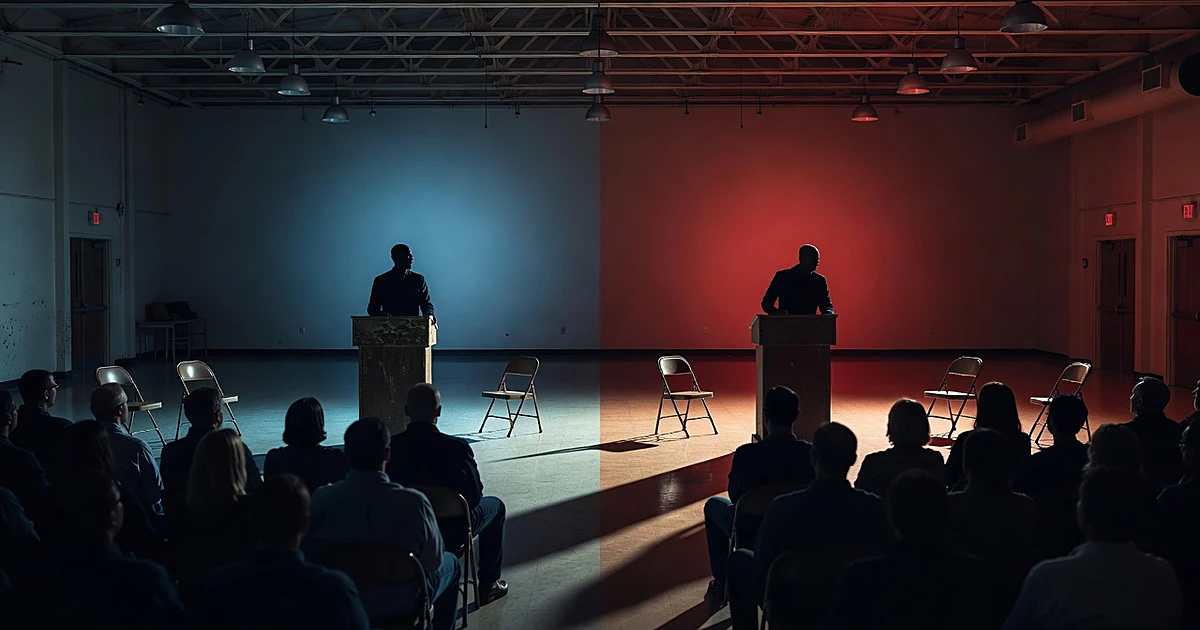
In the summer of 1974, Duke Ellington died, and a group of his admirers in Chicago gathered weeks later to plan a memorial concert. The meeting hit a wall almost immediately. Black musicians wanted the event at Washington Park on the South Side, near the city's largest Black communities. White musicians, most of whom lived on the North Side, pushed for a venue in their part of town. Chicago's jazz scene had been declining for years, and the city itself remained heavily segregated. The argument over where to honor Ellington threatened to collapse the tribute before it started.
De Haas, then a semiretired jazz singer, proposed a compromise: Grant Park, the 319-acre stretch of green between downtown Chicago and Lake Michigan. Neutral ground. The concert went forward there and drew thousands. The New York Times reported the event was "a huge success," and it became the foundation for an annual Duke Ellington tribute that continued for years, a 1977 photograph shows de Haas performing at what was billed as the fourth annual tribute at the same park.
That single act of practical problem-solving launched a second career. Over the coming decades, de Haas founded concert series, festivals, and a nonprofit organization called Jazz Unites, all aimed at keeping jazz alive and accessible in a city with a deep but fading tradition in the genre. Chicago Tribune jazz critic Howard Reich eventually gave her a title that stuck: "the first lady of Chicago jazz."
What made the 1974 breakthrough matter was not just the music. It was the fact that de Haas forced musicians on both sides of a racial divide to share the same stage in a city where that rarely happened. She told the Chicago Tribune in a 2013 interview exactly how she saw the problem:
"The Black musicians were conditioned to think one way, and the white musicians were conditioned another away. They never thought about getting everyone to participate."
She added, simply: "I was adamant about that." The remark captures something essential about de Haas, she did not wait for institutions or city officials to fix the problem. She identified a practical solution and insisted on it.
That kind of individual initiative, rather than top-down mandate, produced results. The concert series she built did not come with government programs or bureaucratic oversight. It came from one woman who saw musicians divided by habit and geography and decided the answer was a park big enough for everyone.
In an era when American culture increasingly treats every racial question as a matter for policy experts and sensitivity consultants, de Haas's approach stands out for its directness. She did not call for a commission. She picked a location, put on a show, and drew thousands. The tradition she started outlasted the original disagreement by decades.
De Haas was described as "the driving force behind Chicago's jazz resurgence," a characterization that reflects the scale of what she built after 1974. Jazz Unites, her nonprofit, became a vehicle for organizing events that kept the genre visible in a city where it had been fading for years. The specific festivals and concert series she founded beyond that organization are not fully detailed in available reporting, but the breadth of her work earned recognition from the city's most prominent music critics.
Loss and legacy run through many corners of American public life. Whether in music, faith and fame, or civic institutions, the figures who hold communities together often do so without titles or formal authority. De Haas held no elected office. She ran no government agency. She organized concerts.
The exact date, location, and cause of her death have not been reported. The New York Times published her obituary on August 9, 2026. She was 91.
Before the country hands every cultural problem to a federal program or a corporate diversity office, it might remember that a semiretired singer in Chicago once solved a real one with a park and a bandstand.