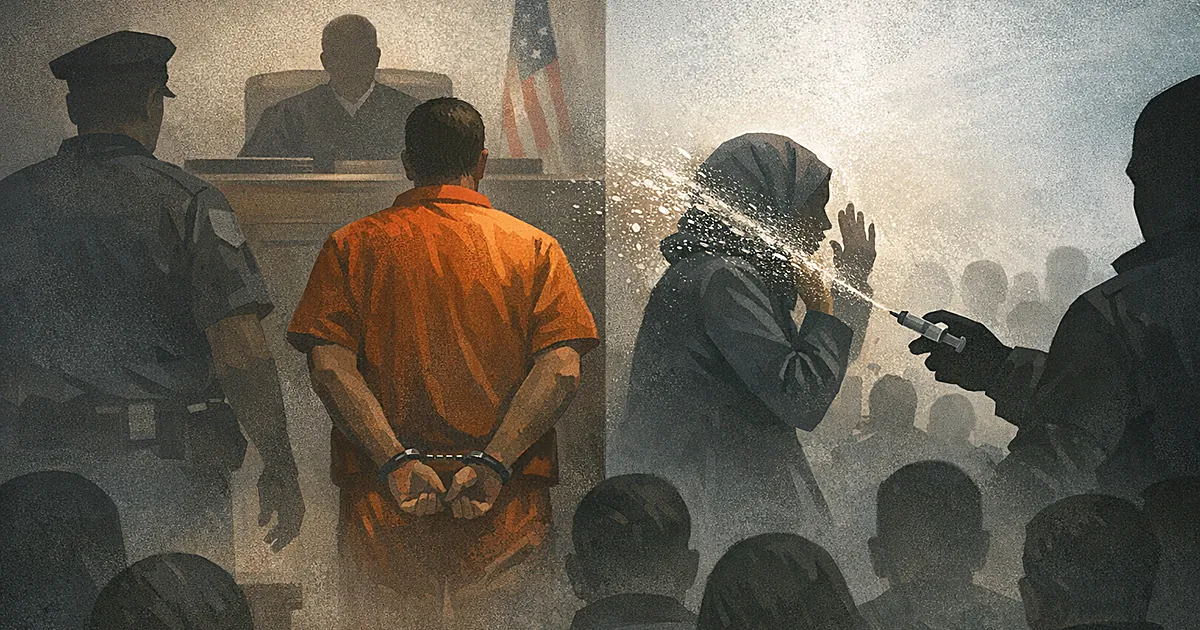


Sen. John Fetterman went on Fox News and called out his own party's leftward lurch, warning that democratic socialist primary victories in New York signal the rise of what he called the "dirtbag left", candidates who want to abolish ICE, abolish the police, and abolish the border.
Two democratic socialist candidates won New York Democratic House primaries on Tuesday night. Darializa Avila Chevalier, a community activist, defeated Rep. Adriano Espaillat, the chair of the Congressional Hispanic Caucus. Claire Valdez, a New York State Assembly member, beat Brooklyn Borough President Antonio Reynoso, who had the backing of retiring Rep. Nydia Velázquez. In a third race, former New York City Comptroller Brad Lander knocked off Rep. Dan Goldman in the Democratic primary for New York's 10th Congressional District.
The results amounted to a clean sweep of establishment Democrats in deep-blue New York, and Fetterman, the Pennsylvania Democrat who has made a habit of breaking with his party, did not hold back about what it means.
Speaking to Sean Hannity, Fetterman framed the defeated incumbents and candidates as ordinary Democrats being run out of their own party by radicals:
"Yeah, no, I mean, these, the kind of people they are trying to run out of office, they are just good, traditional kinds of Democrats you would expect in New York City now."
He then turned his fire directly on the winners and their policy positions:
"And now this has just become, really, it's just been the dancing days of the dirtbag left. You know, some of these candidates are outrageous. You have candidates, they're 'abolish ICE,' 'abolish the police,' 'abolish the border.'"
The term "dirtbag left" has a specific origin. Writer Amber A'Lee Frost, a co-host of the podcast "Chapo Trap House," is credited with coining it. Fetterman repurposed the label to describe what he characterized as a "pro-Hamas wing... just declaring a war on just regular Democrats."
Fetterman also took aim at Avila Chevalier specifically, claiming she had previously posted "f, Kamala Harris" on X. He accused New York City Mayor Zohran Mamdani, who backed both Avila Chevalier and Valdez, of "grieving a Hamas sniper," a reference to Al Jazeera cameraman Ahmed Wishah, who was killed in an IDF strike in the Gaza Strip. The IDF accused Wishah of being a Hamas militant in a post on X. Al Jazeera called the IDF's claim a "smear campaign."
Fetterman's willingness to appear on Fox News and level these charges against fellow Democrats is consistent with a pattern that has defined his Senate tenure. He cast the deciding vote to preserve presidential authority on Iran, breaking sharply with his caucus on a major foreign policy question.
The response from within the Democratic Party revealed a familiar fault line: leaders who want to paper over divisions versus activists who want to push Fetterman out entirely.
Sen. Cory Booker of New Jersey, asked by CNN's Kaitlan Collins about Fetterman's remarks, chuckled before offering a diplomatic deflection:
"If you want to heal a country, you can't be picking fights."
Booker added that the Democratic Party "is not homogeneous" and urged unity ahead of November elections. He called the party a "big tent" and said it needed to stay that way.
Brad Lander, who won his own primary that same night and was backed by Mayor Mamdani, took a sharper tone. He told Collins he was "not sure if Fetterman is in our party anymore, to be honest." Lander urged Fetterman to "stop attacking other Democrats and decide to rejoin the fold." And if Fetterman chose to leave the party instead, Lander said, "we've got a lot of great fighters who can show up and fight for working families."
The contrast is worth noting. Booker wants to talk about healing and big tents. Lander wants to show Fetterman the door. Neither addressed the substance of Fetterman's critique, that the winning candidates hold positions far outside the mainstream on policing, immigration enforcement, and border security.
Fetterman won his Senate seat in 2022 by defeating former Sen. Pat Toomey, a Republican, in Pennsylvania. He ran as a progressive populist. But since taking office, he has repeatedly broken with Democratic leadership on issues ranging from war powers and Iran policy to border security and the conduct of his own party's candidates.
He has publicly called out Democratic failures on homeland security, once labeling a DHS funding standoff "a failure of Congress", a direct shot at his own caucus. He has questioned the fitness of Democratic candidates in other states, calling one "baggage" amid mounting scandals.
His stance on Israel has also drawn intense scrutiny from the left. Fetterman's pro-Israel positioning has put him at odds with the growing anti-Israel faction in the Democratic coalition, the same faction that appears to have powered Tuesday night's primary results in New York.
That is the context for his "dirtbag left" remarks. Fetterman is not lobbing grenades from outside the party. He is a sitting Democratic senator watching his own coalition move toward positions he considers indefensible, abolishing immigration enforcement, defunding police, erasing the border, and saying so publicly, on the largest conservative media platform in the country.
The three primary outcomes in New York tell a clear story. Espaillat, the Congressional Hispanic Caucus chair, lost to a community activist whom Fetterman accused of posting profane attacks on Kamala Harris. Reynoso, a progressive Brooklyn borough president backed by a retiring congresswoman, lost to a democratic socialist state legislator. Goldman, a sitting congressman, lost to a former comptroller endorsed by a mayor Fetterman accuses of sympathizing with Hamas.
These were not fringe races in swing districts. These were Democratic primaries in deep-blue New York, where the winners will almost certainly take office. The candidates who prevailed did so on platforms that include positions most Americans reject, abolishing the agencies that enforce immigration law, dismantling police departments, and eliminating border controls.
Lander, for his part, tried to frame the results as healthy democratic competition. "Democrats are having primaries to determine what kind of candidates we want to put on the field, and they'll be a diverse array of candidates because they reflect and represent a diverse array of districts," he told CNN. He added that primaries are "a time to have those fights out" before unifying for the fall.
But Fetterman's point is that these are not ordinary intra-party disagreements. When winning candidates run on abolishing ICE and the police, and when a sitting senator in your own party calls them the "dirtbag left" on national television, the "big tent" talking point starts to look less like strategy and more like denial.
Booker's response, "you can't be picking fights", captures the Democratic establishment's preferred approach to its own radicalization problem. Don't name it. Don't confront it. Don't acknowledge that voters in safe blue districts are choosing candidates whose policy positions would be disqualifying in any competitive general election.
Lander's response is more revealing. Rather than engage with Fetterman's critique of specific policy positions, he questioned whether Fetterman belongs in the Democratic Party at all. That is not a rebuttal. It is a threat. And it tells you which direction the party's center of gravity is moving.
Fetterman, whatever his other political liabilities, is doing something almost no one else in his party is willing to do: naming the problem out loud. He is telling Democratic voters and the national audience that candidates who want to abolish ICE, abolish the police, and abolish the border are not mainstream Democrats. They are something else. And they are winning.
The Democratic Party can keep calling itself a big tent. But when the people inside that tent are running on dismantling law enforcement and erasing the border, the tent is not big, it is just moving further from the country it claims to represent.