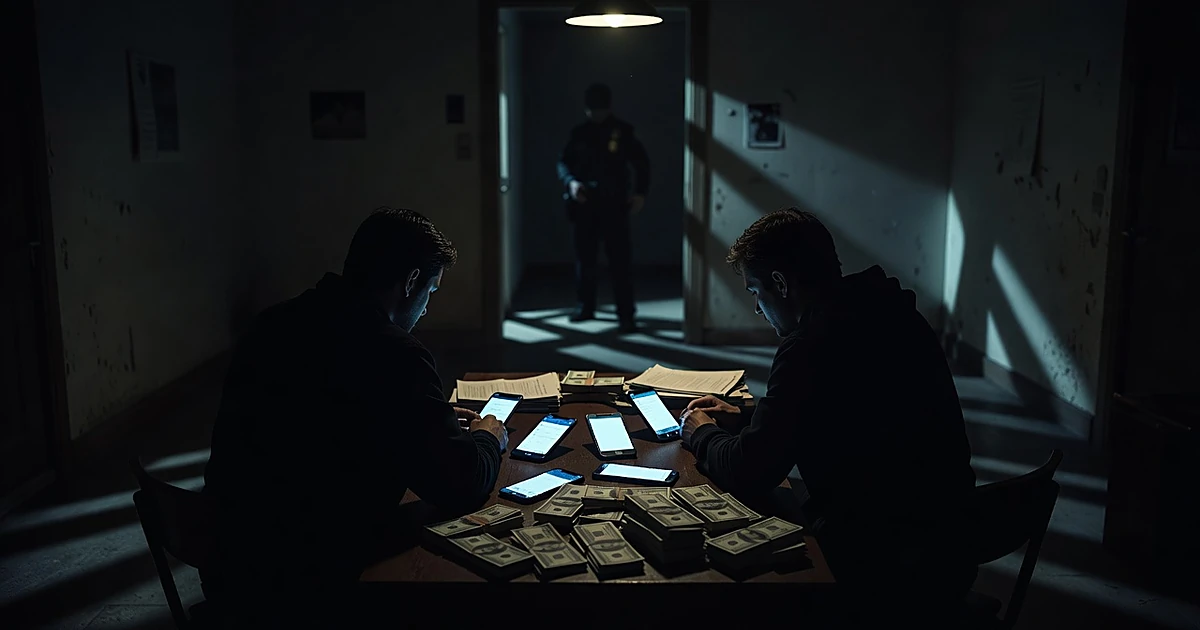




FBI agents raided the headquarters of the Ohio Organizing Collaborative on June 11 as part of what multiple sources described to CBS News as a fraud-related investigation, Fox News Digital reported. Agents also deployed across the state to question members of the nonprofit, sometimes bearing subpoenas or demanding to seize electronic devices.
The Department of Justice declined to comment on the specifics of the investigation. But a DOJ official offered a pointed statement to Fox News Digital that left little ambiguity about the seriousness of the operation.
The raid marks the latest federal action targeting election-related conduct in Ohio, a state where the Trump administration's Acting Attorney General Todd Blanche had appeared at a news conference just days earlier, on June 4, to discuss the administration's broader fraud crackdown alongside federal and state officials.
The Ohio Organizing Collaborative is a nonprofit that works closely with the Democratic Party in Ohio on voter mobilization and registration efforts. Its donor network reads like a directory of major left-leaning institutions: the Soros family's philanthropies, the New Venture Fund, the Tides Foundation, the American Federation of Teachers, and the Service Employees International Union.
The financial footprint is substantial. Recent tax documents show OOC pulled in over $10 million in revenue during 2024. The Soros family's Foundation to Promote Open Society gave OOC roughly $1.9 million between 2019 and 2020. The Open Society Action Fund separately gave $1 million to OOC's sister organization, the Ohio Organizing Campaign, in 2021, and another $1 million in 2023.
OOC has been an active player in Ohio's political fights. It spent $250,000 in 2023 to oppose a GOP-led effort related to blocking the right to an abortion from being enshrined in the state constitution. A year later, it spent a further $300,000 against a Republican redistricting effort.
This is not the first time OOC has drawn federal scrutiny. In 2017, a paid canvasser working with the group pleaded guilty over his involvement in what Fox News described as a fraudulent voter registration operation.
The Justice Department's official statement was measured in its language but firm in its implications. A DOJ official told Fox News Digital:
"Search warrants are authorized by a judge and anything said by any organization or others in the media is unfounded speculation, as the target of any investigation is not privy to the search warrant affidavit until after indictment."
That last phrase, "until after indictment", carries weight. It signals the investigation is active and potentially headed toward formal charges, though no arrests or indictments have been announced.
OOC board member Prentiss Haney, authorized to speak on behalf of the group, took a different view. Haney told MS Now that the organization considered the federal scrutiny politically motivated intimidation:
"How can they distract and intimidate [civil rights] leaders and voters and community leaders who are helping people get registered to vote, and create a national spectacle about it?"
Haney went further, tying the timing directly to Ohio's political calendar:
"That is the only reason why they would choose to do that, do it now, in the middle of a contested political election in the state. There's no other reason. They have no evidence of that."
OOC did not respond to a Fox News Digital request for comment by Monday.
The raid sits at the center of a sharp national divide. Conservatives have long argued that voter fraud cases were under-enforced during prior administrations. The Trump administration has expanded federal law enforcement's role in scrutinizing alleged voter fraud and election-related misconduct, a push that conservatives have cheered.
Democrats and voting rights groups see the same actions very differently. They condemn the federal enforcement push and argue it risks turning the FBI into a political weapon aimed at liberal voter registration operations.
That framing, enforcement versus intimidation, is now the central argument. And it is an argument that the facts of this case will eventually settle, one way or the other.
Key details are still missing. The specific fraud allegation under investigation has not been disclosed. No court or judge has been publicly identified as having authorized the search warrants. It remains unclear whether electronic devices were actually seized or how many subpoenas were issued, and to whom. No charges have been filed. No arrests have been made.
The DOJ's own statement suggests those answers may come only after an indictment, if one follows.
What the available record does show is an organization that pulled in eight-figure revenue, received millions from Soros-linked entities, spent heavily in partisan political fights, and had a prior brush with a voter registration fraud guilty plea in 2017. Now federal agents have executed judge-authorized search warrants at its headquarters and fanned out across Ohio with subpoenas.
Haney insists the timing is political. The DOJ says speculation is unfounded until an indictment makes the warrant affidavit public. Both sides are asking the public to trust their version of events while the underlying evidence remains sealed.
But here is what is not in dispute: a federal judge reviewed the evidence, found probable cause, and signed off on the warrants. That is not a press release. That is not a talking point. That is a judge saying the government showed enough to justify sending agents through the door.
When an organization that registers voters has to explain why the FBI showed up with warrants, the public deserves a full accounting, not just assurances that it is all politics. If OOC's operations were clean, the investigation will show it. If they were not, voters in Ohio deserve to know that too.
Either way, "trust us" is not an answer. It never has been.