

Ukrainian President Volodymyr Zelensky has appointed a new economic adviser who’s already on thin ice with U.S. President Donald Trump.
Zelensky’s latest move, naming Chrystia Freeland as his economic adviser on Jan. 5, 2026, comes just a day before a high-stakes Paris summit with U.S. peace envoys Steve Witkoff and Jared Kushner, alongside European leaders, to hammer out security guarantees and peace talks for the Russia-Ukraine conflict.
For American taxpayers, this could spell trouble down the line, especially if Freeland’s appointment sours U.S.-Ukraine relations and leads to increased financial burdens through foreign aid or stalled negotiations that prolong the conflict.
Let’s rewind to the announcement on Jan. 5, 2026, when Zelensky took to X to reveal Freeland’s new role as an economic development adviser.
“Today, I appointed Chrystia Freeland as an Advisor on Economic Development. Chrystia is highly skilled in these matters and has extensive experience in attracting investment and implementing economic transformations,” Zelensky posted on X.
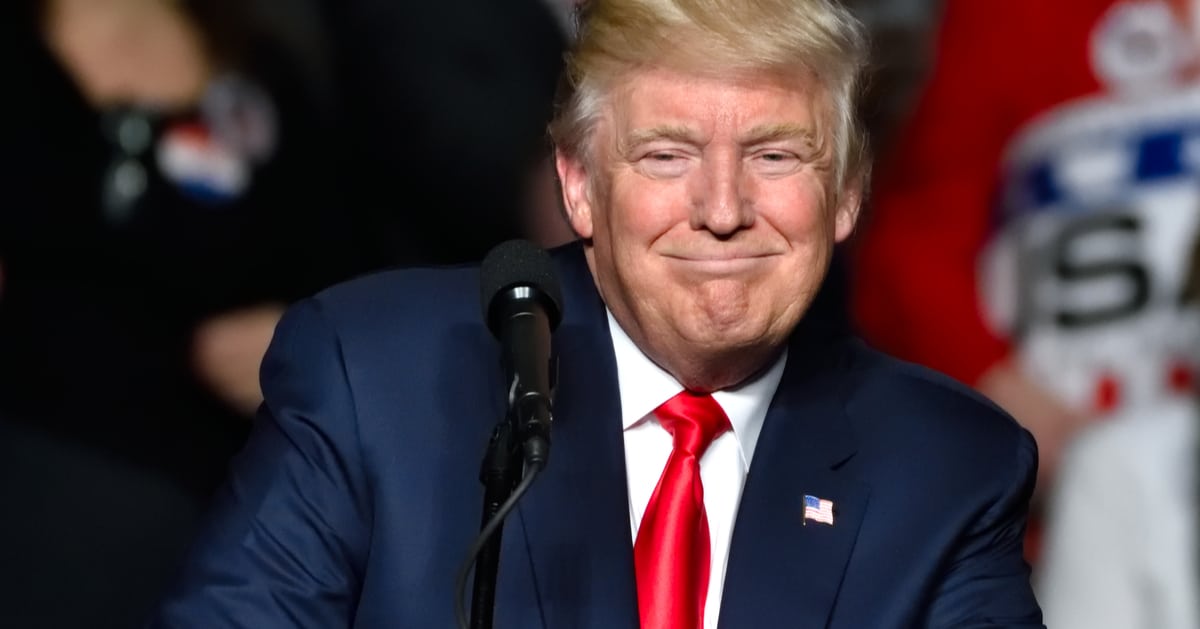
Great credentials, sure, but here’s the rub—Freeland’s history with Trump, who’s called her “toxic” and “terrible,” might turn this into a diplomatic landmine, risking the goodwill needed for peace talks.
Trump’s beef with Freeland isn’t new; back in December 2024, after her resignation as Canada’s Finance Minister over tariff disputes, he didn’t hold back.
“Her behavior was totally toxic and not at all conducive to making deals that are good for the very unhappy citizens of Canada. She will not be missed!!!” Trump declared in December 2024.
That’s a spicy take, and it’s hard not to wonder if this lingering bad blood could jeopardize the Paris summit’s outcome, especially when U.S. support is critical for Ukraine’s security.
Fast forward to Jan. 6, 2026, and Zelensky is in Paris, sitting down with Witkoff and Kushner, plus major European leaders, to push for firm security guarantees.
Some European allies are even floating the idea of peacekeeping troops to enforce any negotiated peace deal, a move that shows just how high the stakes are.
Yet, with Freeland’s shadow hanging over the talks, one has to question whether this appointment might distract from Ukraine’s urgent needs or weaken the united front against Russia.
Before Paris, Zelensky met Trump at Mar-a-Lago on Dec. 28, 2025, and again on Jan. 4, 2026, with talks described as amicable and a peace plan reportedly “90 percent” complete.
Ukraine’s latest counter-offer—pulling troops from both sides to form a demilitarized zone instead of ceding more territory to Moscow—shows a willingness to compromise, but Freeland’s role adds an unpredictable wrinkle.
From a conservative angle, it’s time for full transparency on how such appointments impact U.S. interests; we can’t afford to bankroll endless conflicts while diplomatic missteps pile up, and every player in this game needs to be held accountable.