
Another massive fraud scandal has erupted, this time in Minnesota, and it’s got the Washington Post sounding the alarm on federal welfare programs like SNAP.
Following a bombshell investigation by journalist Nick Shirley revealing over $100 million in alleged fraud tied to Minnesota’s daycare system, the Post’s editorial board is pressing the Trump administration to overhaul entitlement programs, with the Supplemental Nutrition Assistance Program (SNAP) squarely in the crosshairs.
For hardworking taxpayers footing the bill, this isn’t just a headline—it’s a direct financial burden, with SNAP alone racking up $10.5 billion in documented fraud between 2018 and 2022. When states like Massachusetts report a 14% error rate on SNAP payments, ranking seventh worst nationwide, it’s clear the system is bleeding money that should be helping the truly needy.
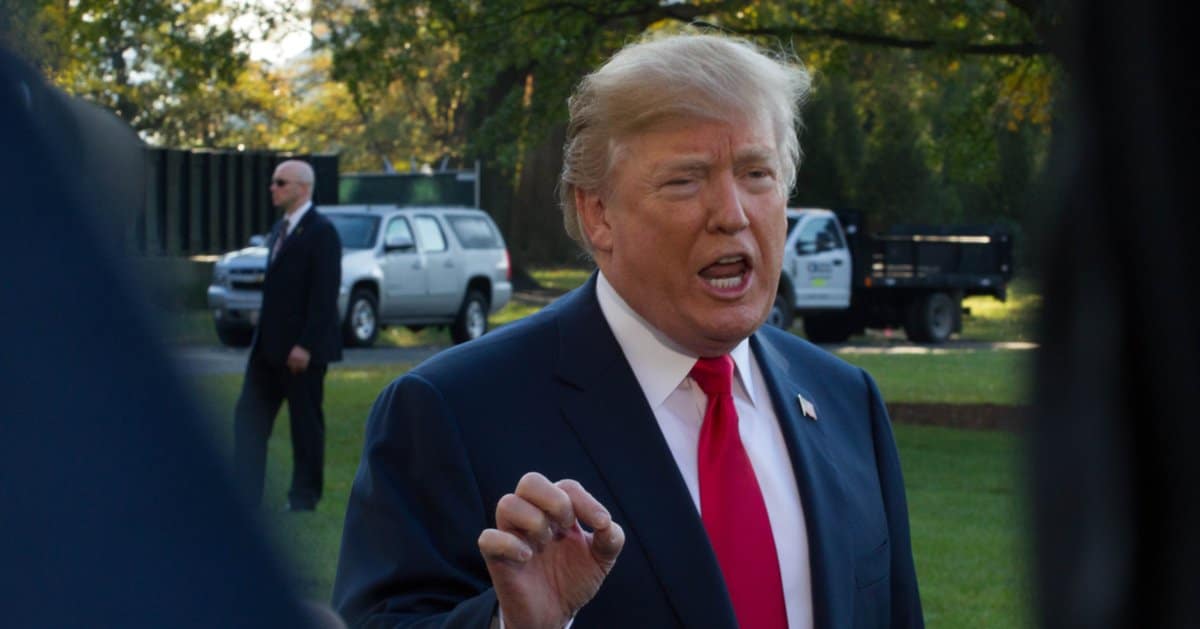
Shirley’s viral video exposing the so-called Somali fraud scandal in Minnesota’s daycare system didn’t just raise eyebrows—it ignited a firestorm. The Trump administration responded swiftly by freezing all childcare payments to the state, a move that signals zero tolerance for abuse of public funds.
But the Post cautions that slashing safety nets entirely could backfire. As they put it, cutting too deep would “hurt more than just fraudsters." From a right-leaning view, while fraud must be rooted out, the truly vulnerable shouldn’t pay the price for others’ scams.
Meanwhile, the scandal has pierced the national consciousness, amplifying calls for reform across America’s sprawling welfare state. The Post describes over 80 federal programs as a “target-rich environment” for scam artists, and they’re not wrong. It’s high time to lock down these systems before more billions vanish.
Dig into SNAP specifically, and the numbers are staggering—$10.5 billion in fraud over four years, making it the fourth-worst federal program for misuse. Overpayments, not underpayments, drive most of the errors, meaning taxpayers are shelling out more than necessary.
States aren’t off the hook either. A recent tax bill mandates that those with error rates above 6%—looking at you, Alaska—will cover up to 15% of benefit costs starting in 2028, though a two-year buffer offers some breathing room.
Conservatives see this as a step forward, but why coddle the worst offenders with extra time? Accountability should hit now, not later, to force states to tighten their vetting processes.
On the flip side, several Democratic-led states are fighting tooth and nail against the Trump administration’s push to curb fraud. They’ve sued to block efforts to access SNAP recipient data, including immigration status, claiming it’s a step too far.
Massachusetts Gov. Maura Healey argues the administration is “playing politics with the ability of working parents with children, seniors, and people with disabilities to get food” (Massachusetts Gov. Maura Healey). Respectfully, Governor, ensuring benefits go to those who qualify isn’t politics—it’s basic stewardship of public funds.
A preliminary injunction already paused the administration’s data request, stalling progress. From a populist perspective, this delay only protects the status quo, where fraud festers unchecked.
The Department of Homeland Security is even exploring whether to denaturalize U.S. citizens of Somali descent tied to the Minnesota scheme, a drastic but telling sign of how deep this problem runs. Fraud at this scale demands serious consequences, no exceptions.
The Post suggests smarter reforms like block grants, arguing they’d push states to “spend more carefully and vet recipients more thoroughly." It’s a sensible idea—fixed funding could finally force accountability without gutting essential aid.
At the end of the day, social safety nets only work when taxpayers trust the system. Fraud and waste erode that trust faster than a politician’s promise, and it’s past time for reforms that prioritize the vulnerable over the opportunistic. Let’s clean house, but let’s do it right.