President Trump’s birthday is now a ticket to free national park entry, but the cost might be a cultural controversy.
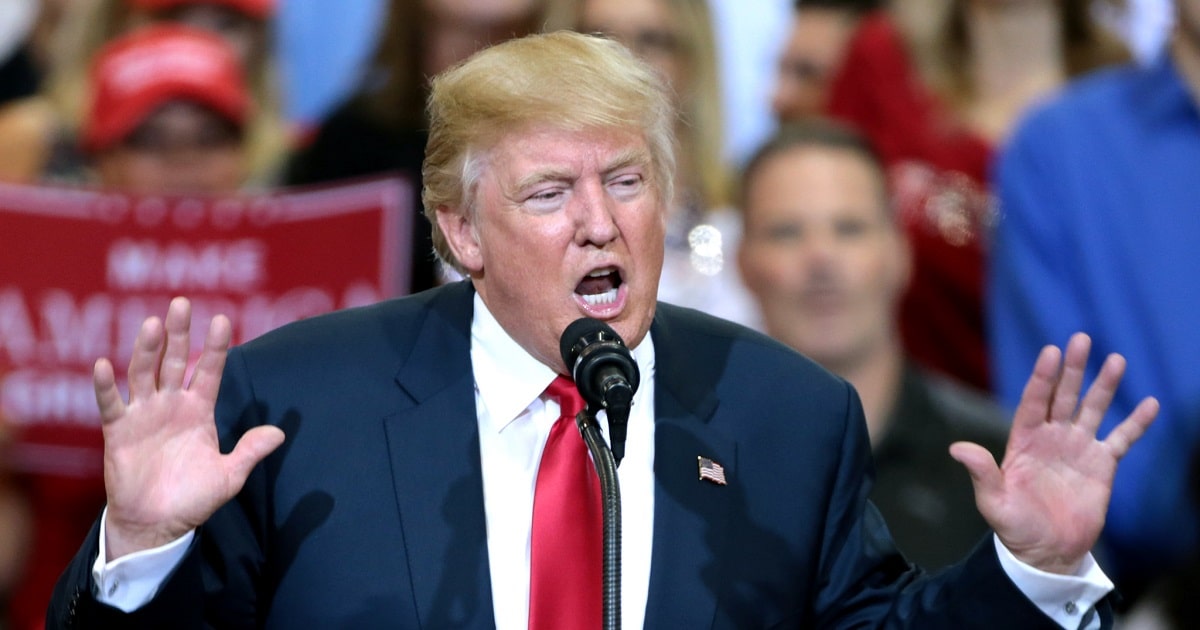
The Trump administration has reshaped the fee-free days for national park access in 2026, adding Trump’s birthday on June 14 alongside Flag Day, while axing Martin Luther King Jr. Day and Juneteenth from the list, sparking sharp criticism from civil rights advocates and Democratic leaders.
For years, the national park system has offered select days of free entry to encourage public engagement with America’s natural treasures.
The 2025 calendar included days like Martin Luther King Jr. Day and Juneteenth, alongside National Public Lands Day and the start of National Park Week, all of which celebrated both nature and cultural milestones.
Now, the 2026 schedule marks a pivot, introducing new fee-free occasions such as Constitution Day, the 110th anniversary of the National Park Service, and Theodore Roosevelt’s birthday.
Trump’s birthday joins this lineup on June 14, a nod to national pride with its overlap on Flag Day, while federal holidays like Presidents’ Day, Memorial Day, and a three-day Independence Day weekend are also cut.
But here’s the rub: the removal of Martin Luther King Jr. Day and Juneteenth has lit a fire under critics who see it as a step backward from honoring Black American history.
Veterans Day remains the sole carryover from the 2025 to 2026 schedules, a small tether to continuity amid a broader overhaul of the calendar.
This shift away from long-standing observances tied to civil rights and public lands celebrations has many questioning the administration’s priorities.
Kristen Brengel, spokesperson for the National Parks Conservation Association, didn’t hold back, saying, “The elimination of Martin Luther King Jr. Day is concerning.”
She added that it had become “a popular day of service for community groups that use it to conduct volunteer projects at the parks.” Let’s be frank—swapping a day of service for a birthday bash feels like trading substance for symbolism, though honoring a president isn’t without merit.
Sen. Catherine Cortez Masto, D-Nev., took to social media with a pointed critique, stating, “Let’s be clear here: both MLK Jr. Day and Juneteenth were free entry days last year.”
She continued, “The President didn’t just add his own birthday to the list; he removed both of these holidays that mark Black Americans’ struggle for civil rights and freedom.” While her frustration is palpable, one could argue that broadening the list with days like Constitution Day speaks to a wider swath of American values—though the optics of this trade-off are undeniably tricky.
At the heart of this debate is whether fee-free days should prioritize cultural recognition or a more generalized patriotism. The administration seems to lean toward the latter, emphasizing holidays with universal appeal over those tied to specific historical struggles. Yet, dismissing days that resonate deeply with millions risks alienating rather than uniting.