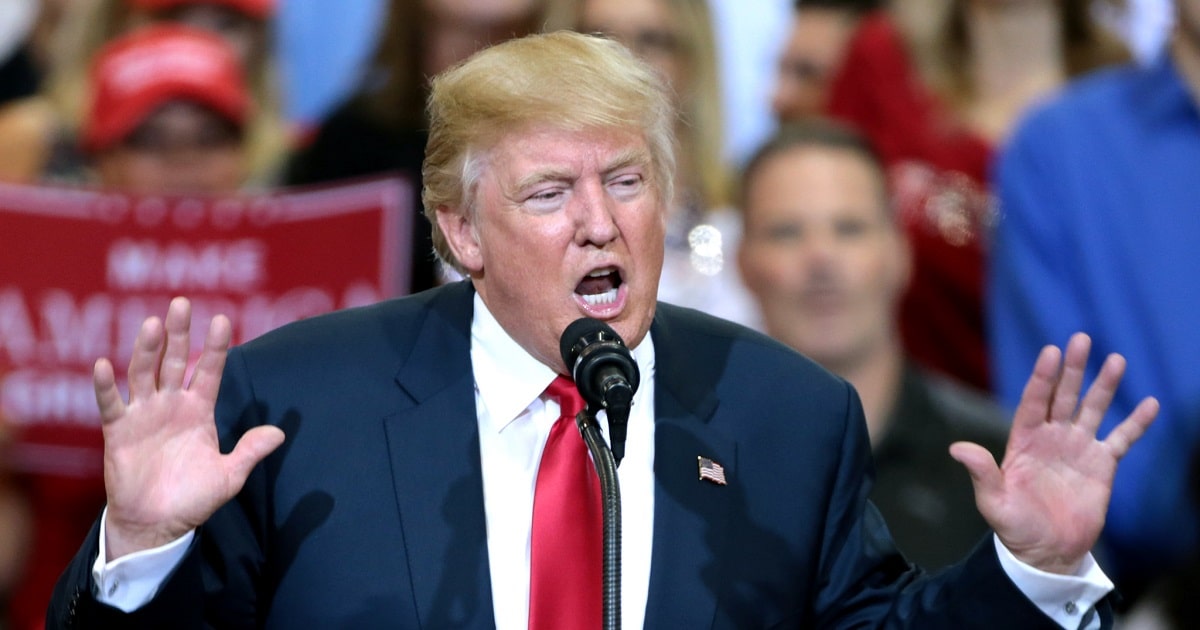
President Donald Trump dropped a major policy initiative at a Washington, D.C., summit this week, promising a financial lifeline for the next generation.
At the Trump Accounts Summit held on Wednesday at the Andrew W. Mellon Auditorium, Trump delivered keynote remarks unveiling the "Trump Accounts," investment accounts aimed at benefiting Americans under 18 with a Social Security number. He projected that over the next 15 years, these accounts could distribute $3 trillion to $4 trillion in wealth to young Americans. The accounts, established through legacy legislation known as the One Big Beautiful Bill, will be accessible starting July 5, 2026, via IRS Form 4547.
Supporters hail this as a groundbreaking move to secure financial futures, while skeptics question the logistics and long-term impact of such a massive wealth transfer.
For those born between 2025 and 2028, the U.S. Treasury will provide a $1,000 seed investment per account. Families and individuals can add up to $5,000 annually, though withdrawals are prohibited until the recipient turns 18, Breitbart News reported.
By age 18, that initial $1,000 could grow to $5,800, according to market estimates. If families max out their contributions at $5,000 per year, the account might balloon to $303,800 by adulthood, per S&P averages—a hefty nest egg for any young adult.
Even modest contributions of $250 per year could yield $20,700 by age 18, offering a tangible boost for those who might otherwise start with little. Trump’s vision seems clear: plant a seed now, harvest prosperity later.
Trump’s remarks at the summit painted a picture of opportunity, emphasizing a fresh start for the nation’s youth. “We’re going to give every newborn American child a financial stake in the future, a head start on life, and a fair shot at the American dream,” he declared. That’s a bold promise, and in a culture often obsessed with instant gratification, it’s a rare nod to long-term planning.
But let’s be real—government programs often overpromise and underdeliver. While the idea of handing young folks a financial foundation is noble, the execution will be everything. Will bureaucracy bog down access, or will this truly level the playing field?
Trump also predicted historic impact, saying, “From their standpoint, they’ll have a real start in life, and that’s why decades from now I believe the Trump Accounts will be remembered as one of the most transformative policy innovations of all time.” That’s confidence bordering on swagger, but if the numbers hold, he might not be wrong.
Adding muscle to the initiative, philanthropists like Michael and Susan Dell are stepping up with $250 investments for 25 million children in lower-income zip codes—specifically, areas where average annual income falls below $150,000. This targeted boost could make a real difference for families scraping by.
Treasury Secretary Scott Bessent is also all in, pushing financial literacy as a core component of the program. He’s partnering with banks for educational seminars under the Community Reinvestment Act, aiming to reconnect Americans with the nuts and bolts of money management.
Bessent’s passion for teaching financial know-how could be a game-changer in a society where too many fall prey to debt traps and predatory lending. If checking an account daily sparks engagement, as he suggests, we might finally see a generation that understands compound interest.
The broader implications of Trump Accounts could reshape how we view wealth and responsibility. After 18, account holders can withdraw funds or let them grow like an IRA, incentivizing patience over impulse—a countercultural jab at today’s spend-now-think-later mindset.
While progressive agendas often focus on immediate handouts, this plan bets on delayed gratification and personal accountability. It’s a refreshing pivot, assuming the projections aren’t just rosy daydreams. For once, policy might actually encourage grit over grievance.