The New York Times printed a headline on Friday that called NATO the "North American Treaty Organization" instead of its actual name, the North Atlantic Treaty Organization. President Trump noticed.
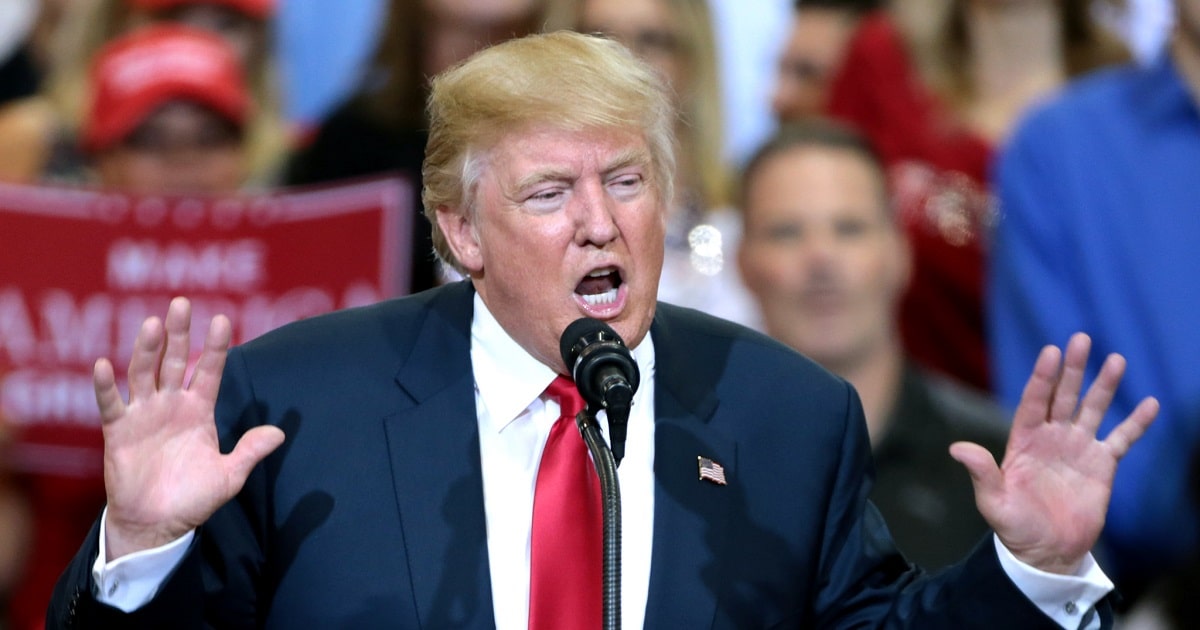
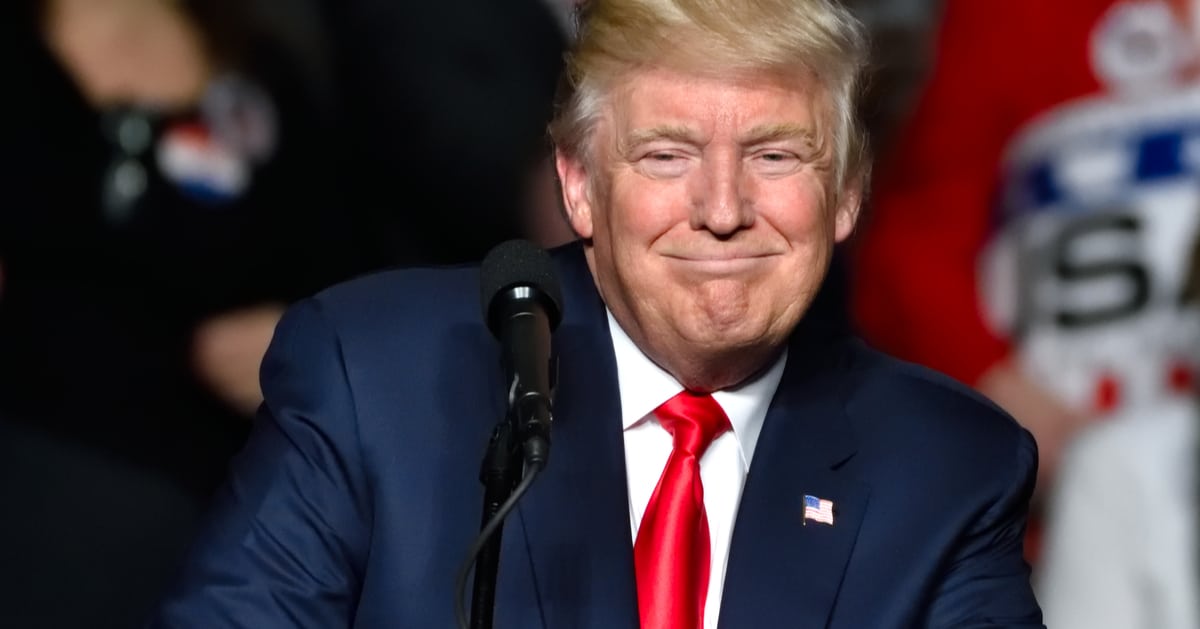
Trump took to Truth Social on Saturday to highlight the error, folding it into a broader critique of the paper's credibility and editorial standards.
"The Failing New York Times, whose lack of credibility, and their constant Fake News attacks on your favorite President, ME, has caused its circulation to absolutely PLUMMET, referred to our severely weakened and extremely unreliable 'partner,' NATO, as the North American Treaty Organization."
He called it a "very interesting mistake!" and added a parting shot at the institution that still prints "All the News That's Fit to Print" on its masthead.
"The hiring and educational standards have gone way down at the NYT. Bring back, 'ALL THE NEWS THAT'S FIT TO PRINT' and, Make America Great Again!"
The Times issued a correction after print readers flagged the error. A spokesperson described the paper's process in careful, institutional language.
"When we make a mistake, editors discuss what happened and prepare a correction to tell readers and share the accurate information."
Steven Erlanger, the outlet's chief diplomatic correspondent and the author of the piece, noted on X that "reporters don't write print headlines, but it was quickly corrected, btw." Glenn Thrush, a Times reporter, offered a more sympathetic framing, writing that "there are tired copy editors who work really, really hard and make one innocent and mortifying mistake that becomes grist for the social media gumball machine."
Fair enough. Everyone makes mistakes. Copy editors work brutal hours. That's all true.
But David Harsanyi, a senior writer at the Washington Examiner, identified the real problem:
"The problem here isn't a slip up — that could happen to anyone. They literally played the cutesy headline off the mistake; and then a bunch of editors looked at before it went to print."
That's the part that matters. A single copy editor mistyping a word at 2 a.m. is human error. A headline built around the wrong name of one of the most important military alliances in modern history, reviewed by multiple editors, approved for print, and sent to newsstands across the country is something else entirely. It's a process failure at an institution that lectures everyone else about accuracy.
The Times wants this to be a story about one bad headline and one swift correction. The correction will appear in tomorrow's print edition, they assured readers, as if the machinery of accountability is humming along just fine.
But the machinery produced the error in the first place. And this is the same newsroom that positions itself as the indispensable check on power, the gold standard of American journalism, the paper whose reporting is supposed to anchor the national conversation. They got NATO's name wrong. In a headline. About NATO.
This is a paper that spent years demanding the public trust its reporting on the most consequential stories in American politics. It frames every conservative skepticism of mainstream media as dangerous misinformation. It treats any challenge to its authority as an attack on democracy itself. And then it publishes a headline that wouldn't survive a high school newspaper's copy desk.
The instinct from Times staffers to rush to X and explain the error away is revealing. Erlanger pointed out he doesn't write headlines. Thrush urged sympathy for tired editors. The spokesperson recited boilerplate about how seriously they take corrections. Nobody stopped to consider that maybe the public's declining trust in their institution isn't manufactured by politicians but earned by moments exactly like this one.
The Times spokesperson mentioned that they have "Standards editors dedicated to making sure they get corrected." Think about that sentence structure. Not dedicated to making sure errors don't happen. Dedicated to making sure they get corrected after they happen. The emphasis is on the cleanup, not the prevention.
That's a telling window into how legacy media institutions actually operate. The product is rushed, the layers of editorial review that supposedly distinguish the Times from a blog are thinner than advertised, and the real investment is in the correction apparatus that runs after the damage is done.
Meanwhile, these are the same outlets that will flag a conservative commentator for getting a minor detail slightly imprecise and use it to discredit an entire argument. The standard only flows in one direction.
The online version of the article carried the headline "Every Trump Threat to Abandon NATO Hollows It Out." The framing tells you everything about the editorial posture before you read a single paragraph. But at least that headline got the acronym right.
In the end, this isn't a catastrophe. It's a small, clarifying moment. The institution that insists it alone can be trusted to inform America doesn't know what NATO stands for. And when caught, its first instinct wasn't accountability. It was excuse-making.
The paper of record can't get the record straight.