

President Donald Trump just made a deal that could save Americans billions on prescription drugs.
Announced in the Roosevelt Room on Friday, December 19, 2025, Trump has inked most-favored-nation (MFN) deals with nine more major pharmaceutical giants, bringing the total to 14 since late September, all aimed at slashing drug costs to match the lowest global prices and offering steep discounts via the Trump Rx website launching in January 2026.
For retirees on fixed incomes, this is a lifeline, as the cost of life-sustaining medications like Gilead Sciences’ Hepatitis C drug Epclusa plummets from $24,920 to just $2,425. That’s not just a discount; it’s a direct cut to the financial burden that’s crushed seniors for decades. And from a conservative standpoint, it’s high time these drug giants face scrutiny for profiting 75% from the American market—only 4% of the global population—while we’ve been footing the bill.
The journey started months ago with Pfizer, whose deal slashed costs on drugs like Eucrisa for dermatitis by 80%, with more reductions on rheumatoid arthritis and migraine treatments. Since then, heavyweights like Eli Lilly, Novo Nordisk, AstraZeneca, and EMD Serono joined the fold. Now, the latest nine—Amgen, Bristol Myers Squibb, Boehringer Ingelheim, Genentech, Gilead Sciences, GSK, Merck, Novartis, and Sanofi—have signed on.
These new agreements cover treatments for asthma, cancers, HIV, Hepatitis, multiple sclerosis, and more, ensuring State Medicaid programs access MFN pricing. Think Sanofi’s blood thinner Plavix dropping from $756 to $16, or insulin at $35 a month. It’s a populist win that demands we keep pushing for accountability.
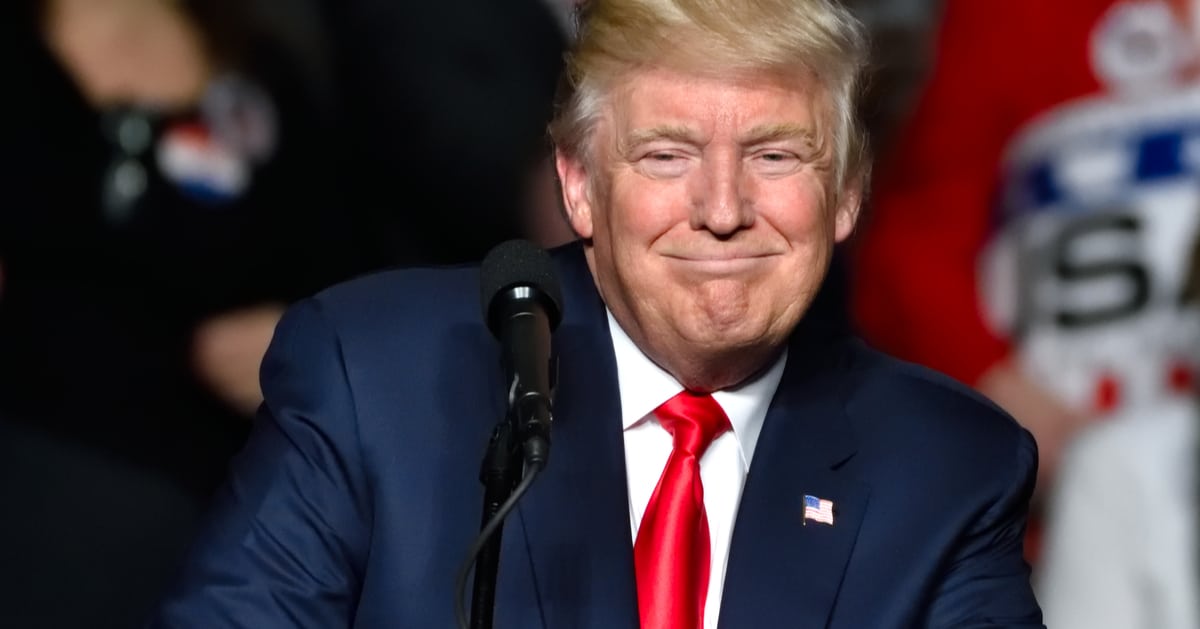
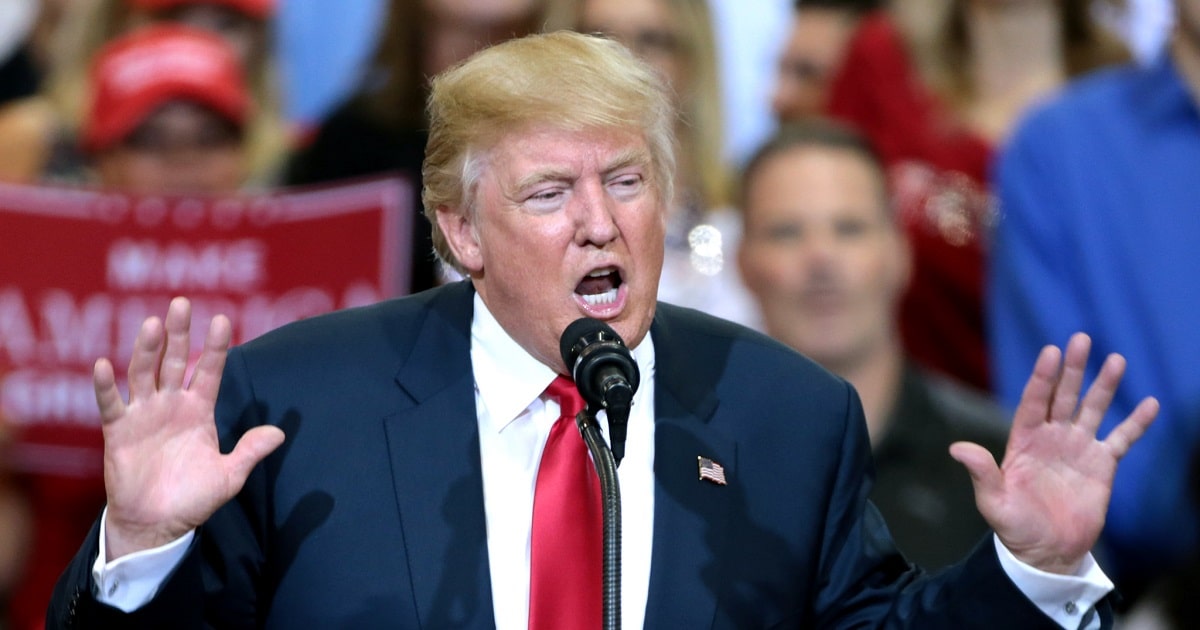
Trump didn’t mince words during the press conference, declaring, “This represents the greatest victory for patient affordability in the history of American health care, by far, and every single American will benefit.” Well, if the numbers hold—Novo Nordisk’s Ozempic and Wegovy both dropping to $350 from over $1,000 monthly—that’s a promise with teeth. But let’s keep the pressure on to ensure these discounts don’t vanish into corporate loopholes.
Come January 2026, the Trump Rx website will be the gateway to these jaw-dropping discounts. Amgen’s cholesterol drug Repatha? Down from $573 to $239, a cut that could keep hardworking families from choosing between meds and meals.
Other standouts include Bristol Myers Squibb’s HIV drug Reyataz falling from $1,449 to $217, and Novartis’ multiple sclerosis treatment Mayzent shrinking from $9,987 to $1,137. These aren’t just numbers; they’re relief for patients who’ve been gouged for too long. Conservatives should cheer this market-driven approach over progressive handouts, but we must watchdog the rollout.
Trump also signed an executive order to push his administration to lower drug prices while nudging other nations to pay their share. The United Kingdom’s National Health Service agreed to step up for the first time in 26 years. That’s a start, but European holdouts better watch out for tariffs if they don’t follow.
Speaking of fairness, Trump noted delays in pressing countries like Spain, Italy, and France due to the coronavirus pandemic’s timing. Now, he’s ready to play hardball, and rightly so—American taxpayers shouldn’t subsidize the world’s healthcare.
Looking ahead, more deals are on the horizon, including with Johnson & Johnson in the New Year. Trump’s also planning to sit down with insurance companies to tackle their pricing. It’s a bold move, but will they budge, or just offer more excuses?
Trump wrapped up without taking questions, confident in the magnitude of this announcement. “What happened here is the biggest statement of all, because nobody thought a thing like this was possible,” he said. Hyperbole or not, if these cuts stick, it’s a slap in the face to the elitist notion that Americans should always pay more.
Let’s not forget earlier wins like Eli Lilly’s Zepbound dropping to $346 from $1,086 monthly, or EMD Serono slashing costs for in vitro fertilization drugs. These are tangible victories for families and individuals who’ve been priced out of care.
Still, conservatives must remain vigilant—Big Pharma’s track record of dodging accountability isn’t exactly inspiring. New drugs from these companies must adhere to MFN pricing per the agreements, and that’s a clause worth enforcing with an iron grip.
Ultimately, this could redefine healthcare affordability if executed right, proving that a strong hand, not endless government overreach, can deliver for the people. Let’s hope this isn’t just a flashy headline but a lasting blow to a system that’s burdened Americans for far too long. Time will tell, but for now, it’s a step worth celebrating.