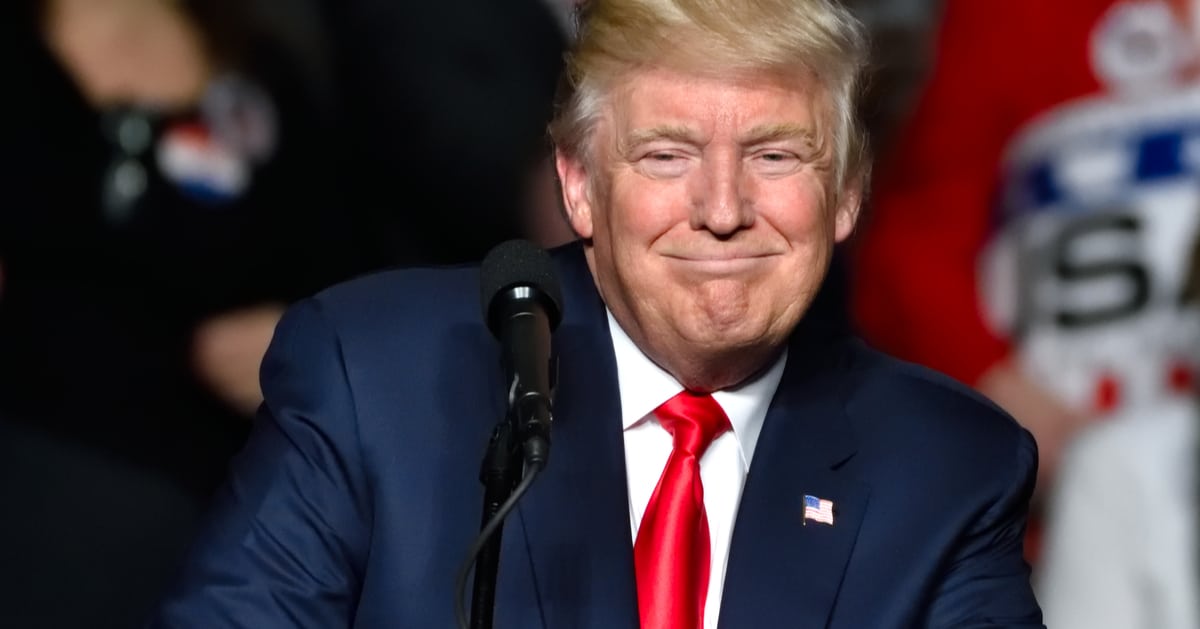

President Donald Trump has taken a decisive step to protect Venezuelan oil revenues held in American hands, signing an executive order that could shape the future of a nation in turmoil.
On Friday, January 9, 2026, Trump signed the order titled "Safeguarding Venezuelan Oil Revenue for the Good of the American and Venezuelan People," which blocks U.S. courts from allowing private creditors to seize funds held in Treasury accounts on behalf of Venezuela’s government and its state oil company, Petróleos de Venezuela, S.A. The order specifies that these revenues, derived from oil sales, remain Venezuela’s sovereign property and are held by the U.S. solely in a custodial capacity. This move coincides with a White House meeting Trump held with nearly two dozen top oil and gas executives that same day.
The issue has sparked debate over the role of the U.S. in managing another nation’s resources during a power vacuum. Following the collapse of the Maduro regime, the U.S. has moved swiftly to influence Venezuela’s oil sector, with Trump framing this as part of a larger plan to rebuild the industry, Fox News reported.
Let’s be clear: this isn’t charity; it’s strategy. The executive order labels any court attempt to seize these funds as an “unusual and extraordinary threat” to national security and foreign policy. That’s a bold line in the sand, signaling to private creditors that Uncle Sam isn’t playing games with Venezuela’s future—or America’s interests.
Trump’s timing couldn’t be more pointed, meeting with energy bigwigs while signing an order to lock down these assets. It’s a not-so-subtle nod to U.S. companies itching to dive into Venezuela’s oil fields. And why shouldn’t they, when the potential for mutual gain is staring us in the face?
Speaking of potential, Trump didn’t hold back on his vision. “We built Venezuela’s oil industry,” he declared, vowing a U.S. energy return after Maduro’s capture. That’s a history lesson with a purpose, reminding everyone who’s poised to lead the charge now.
But let’s not pretend this is all nostalgia. Trump also promised that American energy companies will invest $100 billion to rebuild Venezuela’s “rotting” oil infrastructure and push production to record levels. If that’s not a call to action for U.S. business, I don’t know what is.
Yet, some might wonder if this is less about helping Venezuelans and more about securing American dominance in global energy. Fair question, but when a nation’s infrastructure is crumbling, someone has to step in. Better us than a rival power with less regard for stability or free markets.
The order’s language is crystal clear: these funds aren’t up for grabs by private judgment holders. They’re held for Venezuela’s sake, not for Wall Street’s vultures circling a wounded economy. That’s a principle worth defending, even if the execution raises eyebrows.
Still, the U.S. walking this tightrope of “custodial capacity” isn’t without risk. Holding billions while deciding their fate puts Washington in a tricky spot—part guardian, part gatekeeper. Will this build trust with a future Venezuelan government, or breed resentment?
Critics might call this overreach, a heavy-handed move to control a sovereign nation’s wealth. But in a world where chaos often follows regime collapse, a steady hand is better than a free-for-all. Stability doesn’t come from wishful thinking; it comes from action.
Look at the broader picture: reshaping Venezuela’s oil industry with American know-how could be a win-win. It’s not just about profits; it’s about ensuring a key resource doesn’t fall into the wrong hands. That’s a security concern we can’t ignore.
Trump’s order prevents a legal feeding frenzy before the administration figures out the best path forward. It’s pragmatic, even if it ruffles feathers among those who’d rather see quick payouts than long-term solutions. Patience isn’t trendy, but it’s necessary.
So, as the dust settles on Maduro’s downfall, the U.S. stands at a crossroads with Venezuela’s oil wealth. This executive order isn’t just about protecting funds; it’s about protecting influence. And if done right, it could rebuild an industry—and a nation—while securing America’s energy interests for decades to come.