President Donald Trump has thrown a spotlight on a brewing financial controversy with his sharp critique of a new stock exchange in Dallas.
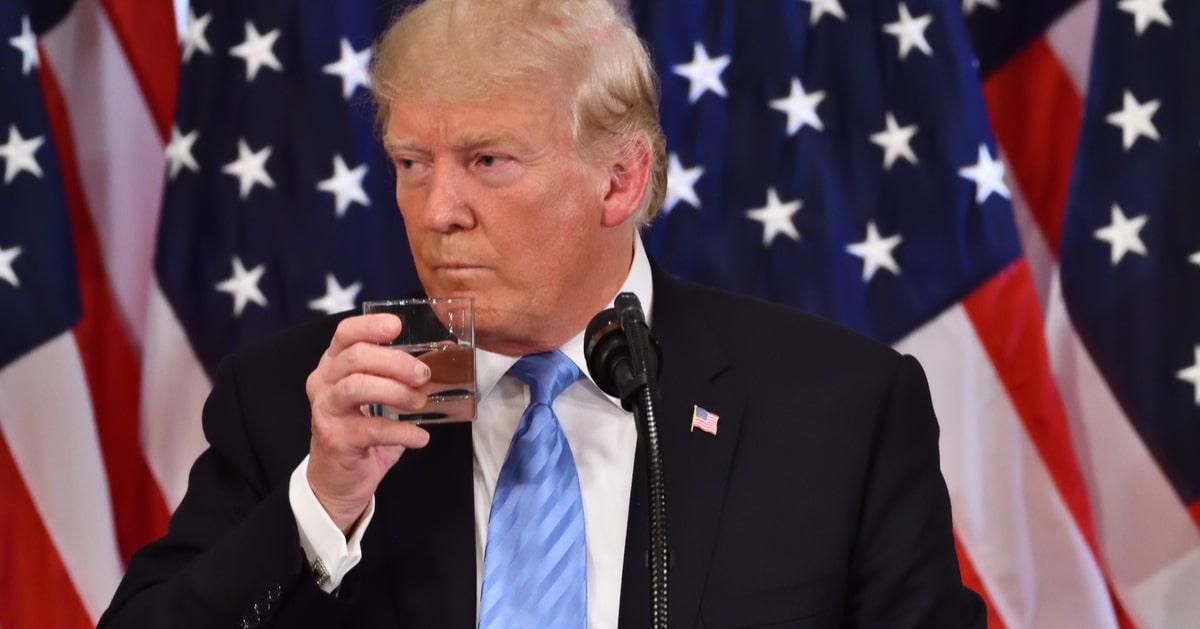
On Monday, Trump voiced strong opposition to the establishment of a “New York Stock Exchange” in Dallas, labeling it as deeply detrimental to New York. He made these comments in a post on Truth Social, highlighting the potential impact on the city’s economic standing. The development, known as NYSE Texas, is a venue for dual listings and is backed by Intercontinental Exchange (ICE), the owner of the traditional New York Stock Exchange (NYSE).
ICE announced last year that Texas would serve as a secondary listing location, and NYSE Texas officially opened for business earlier in 2025. In its first three months, the Dallas-based exchange saw 10 companies, including Halliburton, an oilfield service company, and Trump Media & Technology Group, the parent of Truth Social, opt for dual listings. Neither ICE nor the New York mayor’s office responded immediately to requests for comment on Trump’s remarks.
Trump didn’t hold back in his Truth Social post, declaring, “I can’t believe they would let this happen,” according to Truth Social. This statement underscores a genuine concern that New York’s iconic status as the heart of global finance could be undermined by such a move. It’s a valid worry when you consider how much of the city’s identity and economy is tied to Wall Street.
He went further, pointing out, “A big test for the new Mayor!” Here, Trump seems to be putting the onus on New York’s leadership to fight for the city’s interests. If the mayor can’t stand up to this challenge, what does that say about the future of the Big Apple’s financial supremacy?
NYSE Texas is already making waves with its early success in attracting dual listings. Ten companies in just three months is no small feat for a newcomer. It suggests that businesses see value in diversifying their listing locations, which could spell trouble for New York’s monopoly on major market activity.
Among those jumping on board are heavyweights like Halliburton, which operates in the oilfield services sector, and Trump Media & Technology Group, a name tied directly to the president’s own digital platform. This mix of industries shows that Dallas isn’t just a niche player—it’s appealing across the board.
While some might cheer the competition as a way to decentralize financial power, others see it as a direct threat to New York’s workers and businesses. Why should a city that’s been the backbone of American capitalism lose ground to a newcomer? It’s a question worth asking as this unfolds.
New York has long been the undisputed leader in global markets, but NYSE Texas could chip away at that legacy. Jobs, revenue, and prestige are all on the line if companies start looking elsewhere for their listings.
Trump’s comments highlight a broader anxiety about whether progressive policies in New York might be pushing businesses away.
If the city’s leadership prioritizes ideological agendas over economic strength, it risks alienating the very engines of growth that keep it thriving.
The ball is now in the court of New York’s new mayor, who faces what Trump aptly called a significant test. Will the city push back against this Dallas upstart, or will it let its financial crown slip?
There’s no denying that competition can be healthy, but not when it erodes the foundation of a city that’s carried American finance for over a century. New York deserves policies that bolster its markets, not ones that make it easier for rivals to siphon off business.
As this story develops, all eyes will be on how the mayor responds to Trump’s challenge. The stakes couldn’t be higher for a city that’s more than just a market—it’s a symbol of American economic might. Let’s hope the leadership rises to the occasion before it’s too late.