
Washington witnessed a dramatic showdown as Senate Republicans successfully halted a resolution aimed at curbing President Trump’s military authority over Venezuela.
On Wednesday, Senate Republicans defeated a war powers resolution designed to limit President Trump’s ability to conduct further military actions against Venezuela. A procedural maneuver by Republicans, supported by a tiebreaking vote from Vice President JD Vance, ultimately killed the resolution on a 50-50 split.
While supporters of the resolution, introduced by Virginia Democrat Sen. Tim Kaine, sought to ensure congressional oversight, opponents within the GOP argued the measure was unnecessary given the current lack of direct military engagement.
Last week, the resolution saw surprising bipartisan support, with five Republicans—Sens. Josh Hawley of Missouri, Todd Young of Indiana, Lisa Murkowski of Alaska, Susan Collins of Maine, and Rand Paul of Kentucky—joining Democrats to advance it, as reported by CBS News. This came after repeated failed attempts to pass similar measures curbing Mr. Trump’s actions in the region. The backdrop was intensified by U.S. strikes on drug-smuggling boats and an oil blockade before Maduro’s ouster.
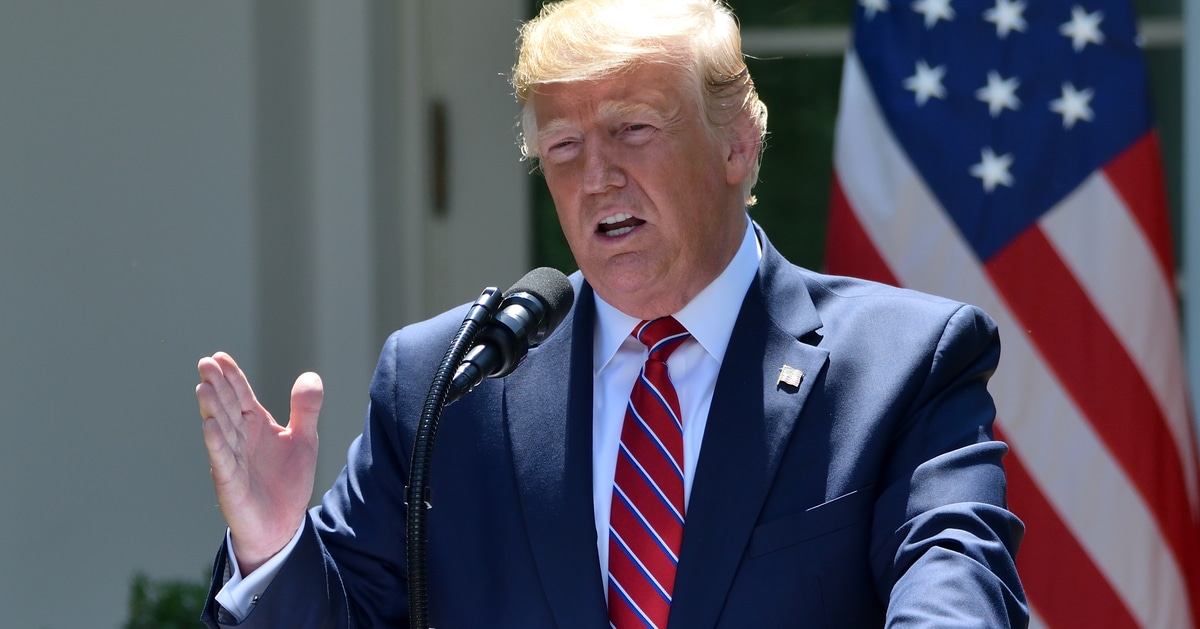
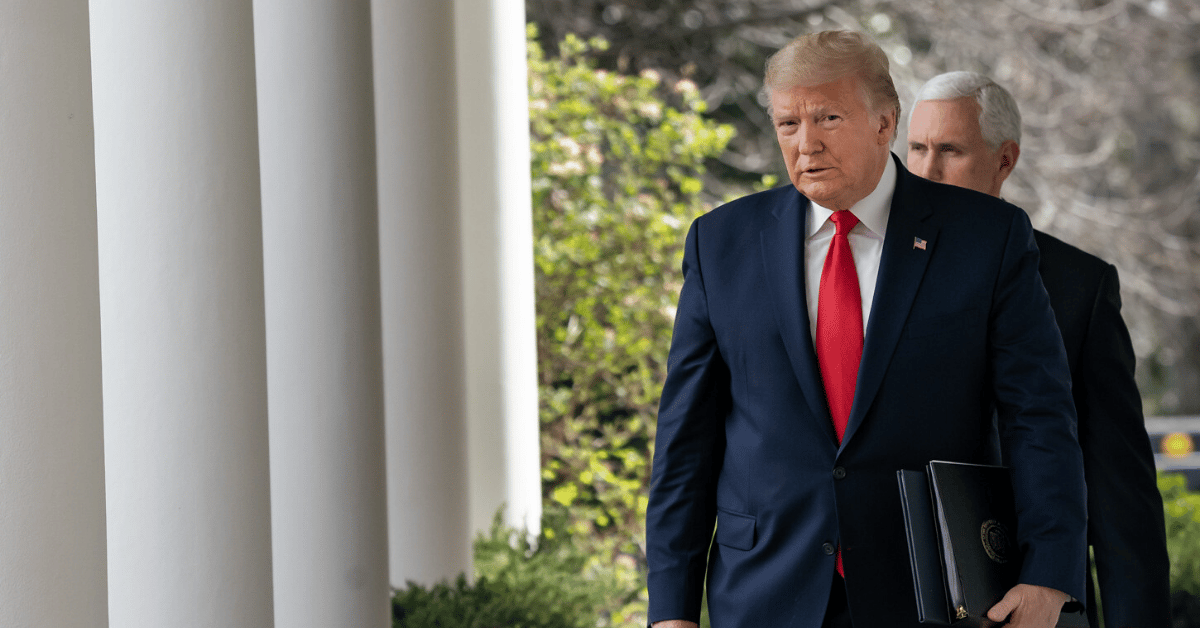
President Trump didn’t hold back, publicly criticizing the GOP senators who initially supported the measure. His sharp words at the Detroit Economic Club, calling them “real losers,” underscored the tension within party ranks. Such rhetoric likely added to the pressure felt by those who later changed their stance.
By Wednesday, the tide had turned, with Sens. Hawley and Young flipping their votes to align with the majority of their party. Reports surfaced of direct calls from Mr. Trump and Secretary of State Marco Rubio to senators ahead of the vote. It’s hard not to see this as a classic case of executive influence steering the ship back on course.
The GOP employed a procedural tactic to block the resolution, arguing it no longer held priority status on the Senate floor. Their reasoning? The U.S. isn’t currently engaged in direct hostilities with Venezuela, a point Senate Majority Leader John Thune of South Dakota emphasized in floor remarks.
Sen. Hawley cited assurances from Rubio as a key factor in his reversal, noting the administration’s commitment to congressional authorization if troops were ever deployed. “The secretary told me directly that the administration will not put ground troops in Venezuela,” Hawley stated. If true, this pledge could ease fears of unchecked military escalation, though skepticism remains about follow-through.
Sen. Young, rejecting claims of buckling under pressure, framed the outcome as a strategic win. “I think we played our hand well,” he said, pointing to “valuable reassurances and deliverables” from the White House. Still, one wonders if these promises will hold when the political winds shift.
Mr. Trump’s own statements have added layers of complexity to the situation. A day after the initial Senate vote, he announced the cancellation of a “second wave” of attacks, claiming the two countries “are working well together.” Yet, naval forces remain positioned in the region for “safety and security purposes,” signaling a lingering readiness for action.
Sen. Kaine, visibly disappointed by Wednesday’s defeat, saw a silver lining in the GOP’s wavering unity. He suggested the vote revealed “a growing set of cracks” in Republican support for Mr. Trump’s approach. This observation might hold weight if future votes show similar fractures.
Before Maduro’s capture, lawmakers across the aisle expressed frustration over the administration’s vague goals in Venezuela. Questions about potential regime change went unanswered, fueling the push for the resolution. Without clear communication, Congress risks being sidelined on matters of war and peace.
The resolution’s failure also highlights the steep hill to climb for any congressional check on executive power. Even if it had passed both chambers, a presidential veto loomed large, with an override requiring an unlikely two-thirds majority. This structural reality often leaves lawmakers grasping at straws.
For now, Mr. Trump retains wide latitude on Venezuela, a win for those who prioritize a strong executive hand in foreign policy. Yet, the flip-flopping by key senators and persistent bipartisan concern suggest this issue isn’t settled. The balance between security and oversight remains a tightrope worth watching.