Secretary of State Marco Rubio dropped a significant clarification on Wednesday, asserting that oil companies had no prior knowledge of the Trump administration’s operation in Venezuela to capture Nicolás Maduro.
On Wednesday, during a Senate hearing, Rubio stated that oil executives were not involved in planning the operation and only learned of it when the public did. His remarks stand in contrast to President Trump’s earlier comments to reporters, where Trump confirmed speaking with oil executives both before and after the military action.
Later that evening, White House spokeswoman Taylor Rogers praised the operation as a historic success in apprehending Maduro.
Rubio was crystal clear in his testimony, leaving no room for ambiguity. “The oil executives were not involved whatsoever in any of the planning on this matter,” he declared, according to The Hill. His words aim to set the record straight amid swirling questions about corporate influence on foreign policy.
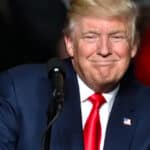
But then there’s Trump, who told reporters “yes” when asked if he’d discussed the operation with oil leaders. He even doubled down, noting talks happened “before and after” the mission. It’s a direct contradiction that raises eyebrows about who knew what and when.
While Rubio insists everyone found out simultaneously, Trump’s comments suggest a select few might have had a heads-up. It’s a discrepancy that fuels skepticism about the administration’s messaging.
Trump didn’t stop at confirming discussions with oil executives; he painted a rosy picture of their potential role. “And they want to go in, and they’re going to do a great job for the people of Venezuela, and they’re going to represent us well,” he said. It’s a bold claim, hinting at a corporate hand in rebuilding a troubled nation.
Yet, Rubio’s pushback suggests not everyone in the administration is on board with that narrative. If oil companies weren’t looped in, as Rubio claims, Trump’s enthusiasm for their involvement feels premature at best. It’s a disconnect that could undermine trust in how this operation was handled.
Meanwhile, the White House is trying to steer the conversation back to the mission’s success. Taylor Rogers hailed it as a strike against a leader accused of enabling drug trafficking into the U.S. The focus on Maduro’s alleged crimes is a reminder of why this operation mattered in the first place.
Rogers’ statement to The Hill didn’t just celebrate the arrest; it framed it as a pivotal moment. The operation targeted a “narcoterrorist” who, per the White House, allowed deadly drugs to flood American streets. It’s a serious charge meant to justify the mission’s urgency.
Still, the conflicting accounts between Rubio and Trump risk overshadowing this achievement. If the administration can’t align on who knew what, critics will pounce on the inconsistency. It’s a self-inflicted wound that distracts from a rare foreign policy win.
Rogers, however, insists there’s no rift at the top. She emphasized that Trump and Rubio are united in their goal to restore stability in Venezuela. It’s a reassuring message, but the mixed signals on oil involvement beg for clarity.
The broader question here is whether private industries should have any role in such sensitive operations. While Trump seems eager to partner with oil giants for Venezuela’s future, Rubio’s comments suggest a line must be drawn. It’s a tension worth watching as policy unfolds.
For now, the administration deserves credit for pulling off a complex mission against a notorious figure. Maduro’s capture, if the White House’s claims hold, could disrupt dangerous networks harming American communities. That’s a tangible result, regardless of the backstage drama.
Yet, the public deserves a consistent story on how this operation came together. Discrepancies like these erode confidence in leadership, especially when national security is on the line. Let’s hope the administration tightens its narrative before skepticism grows louder.