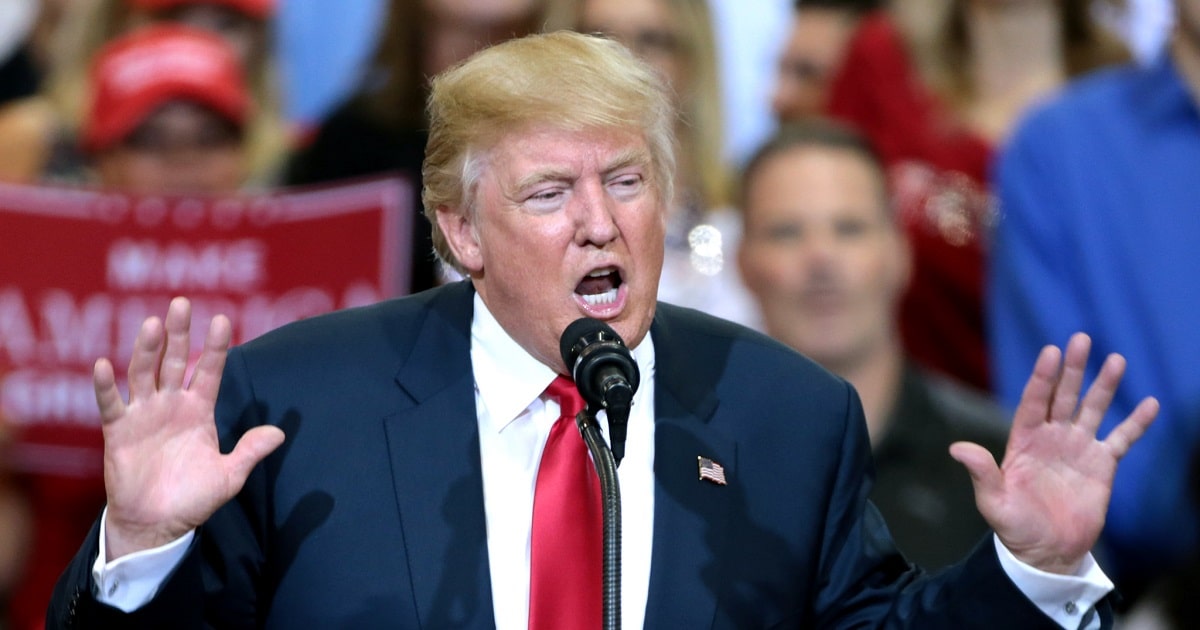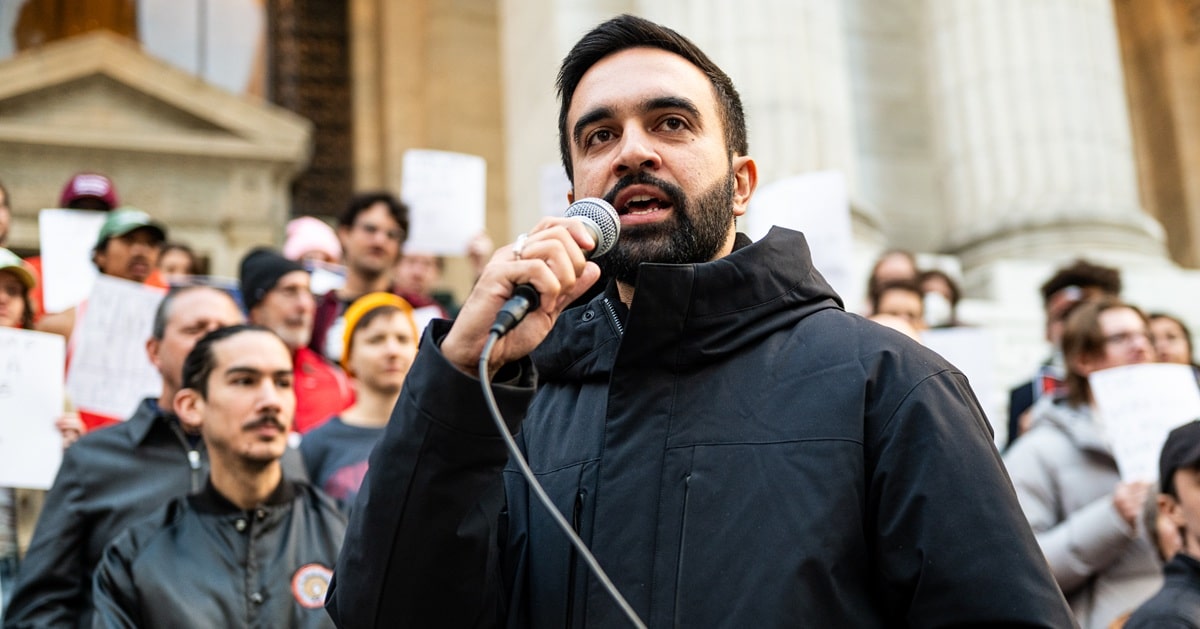
Minnesota has taken a bold stand against the federal government, filing a lawsuit to halt what state officials call an overreaching immigration enforcement operation.
Minnesota's legal action targets President Donald Trump's administration, aiming to block a significant surge of Immigration and Customs Enforcement (ICE) agents in the state.
The lawsuit, filed less than a week after the tragic shooting of Renee Good, a 37-year-old mother of three, by an ICE officer in Minneapolis, names U.S. Homeland Security Secretary Kristi Noem and other immigration officials.
The state argues that the deployment of up to 2,000 additional officers under Operation Metro Surge is unconstitutional and unlawful, while ICE describes it as their largest enforcement operation ever, the Daily Mail reported.
The issue has sparked intense debate across political lines, with Democratic leaders accusing the administration of abusing power for political gain, while supporters of the operation insist it's a necessary crackdown on illegal immigration and crime.
Tensions have boiled over into street protests in Minnesota, especially following Good's death during a law enforcement action. The tragedy has only fueled the fire of contention surrounding federal tactics in the state.
The roots of this conflict trace back to last month when the Department of Homeland Security launched Operation Metro Surge, leading to over 2,000 arrests in Minneapolis alone. Minnesota's lawsuit claims the operation is arbitrary and lacks legal grounding, pointing out that other states aren't facing similar enforcement actions.
The state further alleges that the Trump administration is singling out Minnesota for political reasons, a move they argue violates First Amendment rights. It's no secret that federal officers have been deployed to several Democrat-led cities and states, which the administration frames as a fight against corruption and unauthorized migration.
Minnesota's legal filing paints a grim picture, stating, "Thousands of armed and masked DHS agents have stormed the Twin Cities to conduct militarized raids." This dramatic language suggests a deliberate overreach, but let's be clear: enforcing immigration law is a federal responsibility, even if the optics of such a heavy-handed approach can alienate communities.
The killing of Renee Nicole Good by ICE agent Jonathan "Jon" Ross has become the emotional centerpiece of this dispute. Surveillance footage shows Good blocking a road with her SUV for four minutes before the incident, with her wife, believed to be Rebecca Good, filming nearby after exiting the vehicle.
Recordings reveal Ross approaching Good's stopped Honda Pilot, demanding she open the door, before firing three shots as the vehicle moved forward. It's unclear if the SUV made contact with Ross, but after the shooting, it crashed into two parked cars. The administration defends Ross, citing self-defense and noting a prior incident where he was dragged 100 yards by a car.
Homeland Security Secretary Kristi Noem doubled down, claiming Good was engaged in "domestic terrorism." Such a label feels like a stretch without concrete evidence, especially when public outrage and Democratic criticism label Ross's actions as unjustified. The term risks inflaming an already tense situation rather than clarifying it.
Good's death has ignited global outrage and protests, with critics denouncing the shooting and calling for accountability. Democrats have gone as far as branding Ross a murderer, while the administration counters that he followed training as an experienced officer.
Minnesota's lawsuit doesn't just stop at halting the ICE surge; it seeks specific limits on federal actions. The state wants a ban on officers threatening force or brandishing weapons against those not subject to immigration arrest, as well as protections for U.S. citizens and visa holders from detention without probable cause.
The disparity in enforcement across states raises questions about fairness in federal policy. If the goal is truly to combat fraud, as the administration claims, why do ICE agents—lacking expertise in this area, per the lawsuit—lead the charge? It smells like a mismatch of mission and manpower.