Minnesota's political landscape is under scrutiny as promises to return donations tied to a massive fraud scandal unravel.
An investigation by The Center Square revealed that several Minnesota Democrats, despite public vows, either delayed returning campaign contributions linked to the Feeding Our Future fraud or kept them entirely. The scandal involves the theft of approximately $300 million in federal aid meant for children's food programs, with indictments dating back to September 2022. Key figures like Attorney General Keith Ellison and other lawmakers face questions over donations from individuals later charged or convicted in the scheme.
The issue has sparked debate over accountability and transparency in political financing. Many see this as a failure to uphold ethical standards, especially when public trust is already shaken by the scale of the fraud.
The Feeding Our Future organization, now defunct, is accused of facilitating the theft of federal funds intended for vulnerable children, according to Just the News. Since the initial wave of indictments in September 2022, the number of accused has nearly doubled, and fraud allegations in Minnesota extend to housing and autism services. Federal prosecutors last year charged over a dozen individuals in these additional schemes.
State Sen. John Hoffman acted swiftly, redirecting eight questionable donations totaling $3,300 to the U.S. Marshals Service, citing concerns the funds may have been fraudulently obtained.
"It was the right thing to do," Hoffman told The Center Square. Yet, his decisive move stands in contrast to others who lagged or outright ignored their pledges.
Attorney General Keith Ellison returned a $2,500 donation from Liban Alishire, who pleaded guilty to wire fraud and money laundering, only after scrutiny arose. However, four other $2,500 donations received after a December 2021 meeting with fraud-linked individuals were only recently addressed, with his spokesperson claiming they went "to a fund administered by the federal government." The lack of documentation or timing details fuels skepticism about the sincerity of these actions.
State Rep. Kristin Robbins, a Republican leading a legislative committee on the fraud, has pressed for accountability. Her efforts uncovered that Ellison returned a donation from Gandi Mohamed, charged in 2024 with fraud and money laundering, only under recent pressure. This delay raises questions about whether political ties clouded judgment.
Other politicians show similar patterns of inaction. State Sen. Omar Fateh returned 11 contributions worth $11,000 in early 2022 after federal documents named donors in the scandal, yet kept two $1,000 donations from individuals indicted in 2024. Campaign records for candidates like Farhio Khalif and Sahra Odowa show no returns of fraud-linked funds, despite clear ties to convicted individuals.
The scandal’s ripple effects touch Minnesota’s Somali community, with many of those accused or convicted belonging to this group, intensifying public and political focus. While community ties are complex, the fraud’s scale demands answers, not excuses. Robbins noted, "Minnesota is the canary in the coal mine, and we are starting to see connections and similar patterns in other states."
Robbins’ committee continues to unearth new fraud avenues, including non-emergency medical transportation and adult services. The persistence of these schemes suggests systemic oversight failures that could haunt other states if left unchecked.
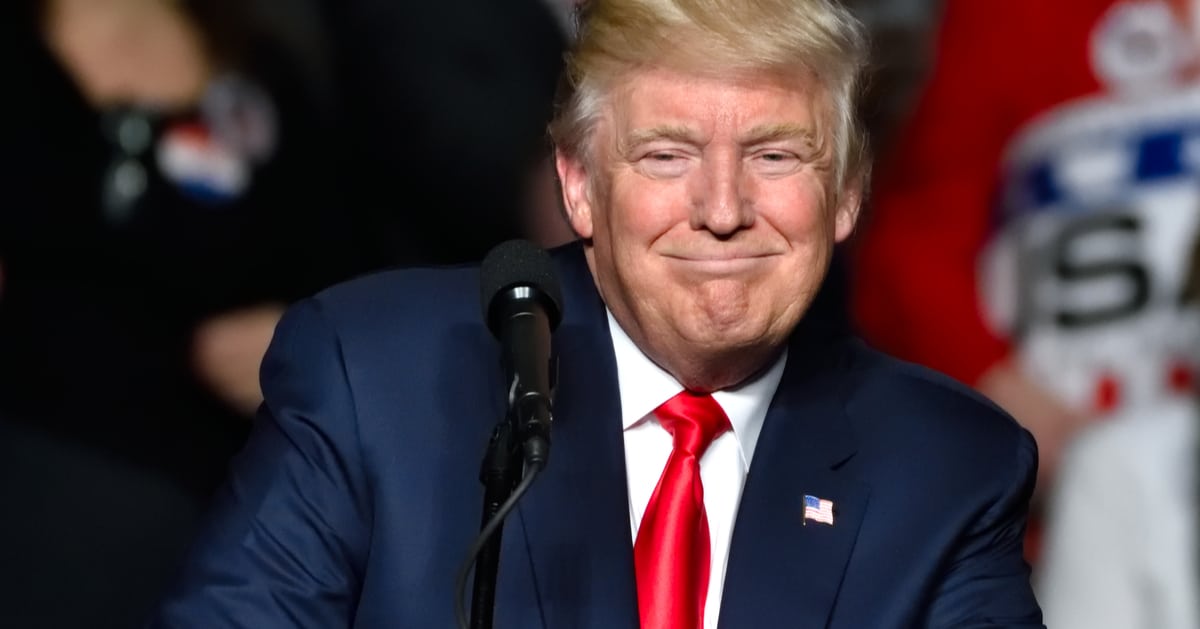
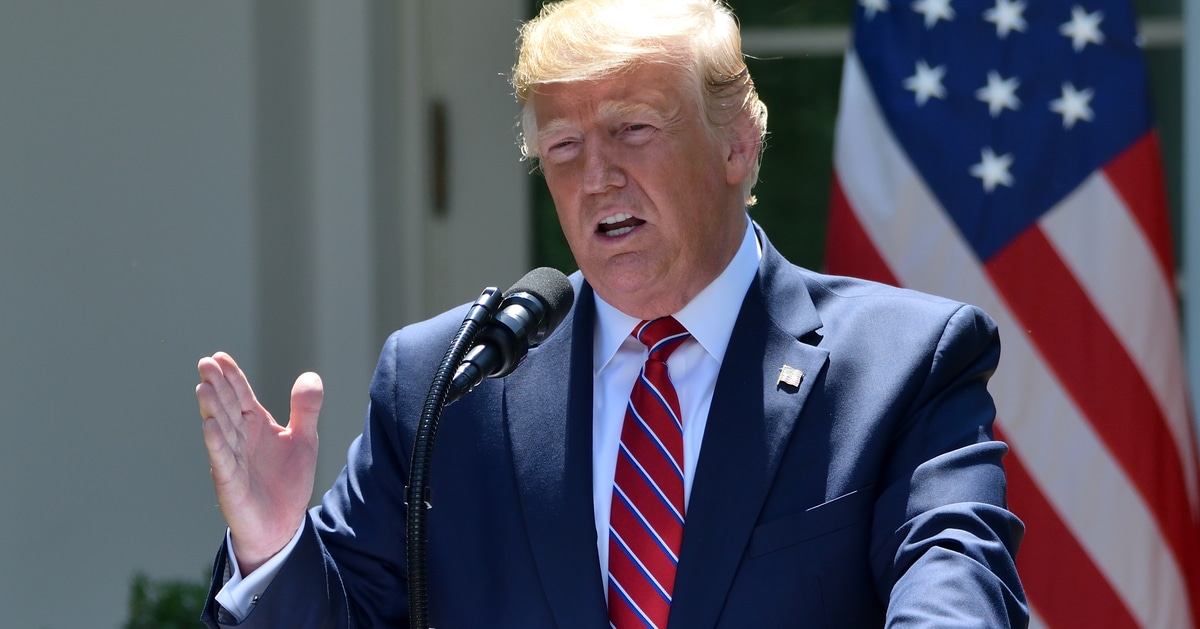
President Donald Trump’s recent comments labeling Somali immigrants in Minnesota as "garbage" stirred controversy, while his administration deployed over 2,000 federal agents to the state for deportation arrests. Additionally, federal funds for programs riddled with fraud have been cut off. These actions, though divisive, reflect a hardline stance on cleaning up perceived corruption.
Former state Rep. John Thompson, who lost a primary in 2022, received donations from an early indicted figure but filed no finance report to clarify if funds were returned. Similarly, state Rep. Mohamud Noor returned a small $320 donation to Liban Alishire post-indictment, but broader patterns of retention persist among others.
The Center Square’s five-year review of campaign data meticulously verified donor identities, exposing a web of contributions that taint political campaigns. This isn’t just about money; it’s about integrity. When public servants accept tainted funds, even unknowingly, they risk eroding trust in governance.
Critics argue that dragging feet on returning these donations—or ignoring the issue entirely—signals a deeper problem of political expediency over principle. If fraudulently obtained money isn’t immediately rejected, what does that say about commitment to justice?
Minnesota’s fraud scandals are a wake-up call for tighter controls on campaign financing and federal aid distribution. Robbins’ prediction of similar patterns elsewhere should spur national action, not just local finger-pointing.
The path forward requires more than promises—it demands transparency, swift accountability, and a refusal to let political alliances obscure right from wrong. Minnesota’s leaders must lead by example, or risk further damaging public faith in both governance and community trust.