Once a trusted confidant of Donald Trump, Michael Cohen has now turned the tables with a stunning accusation against two prominent New York officials.
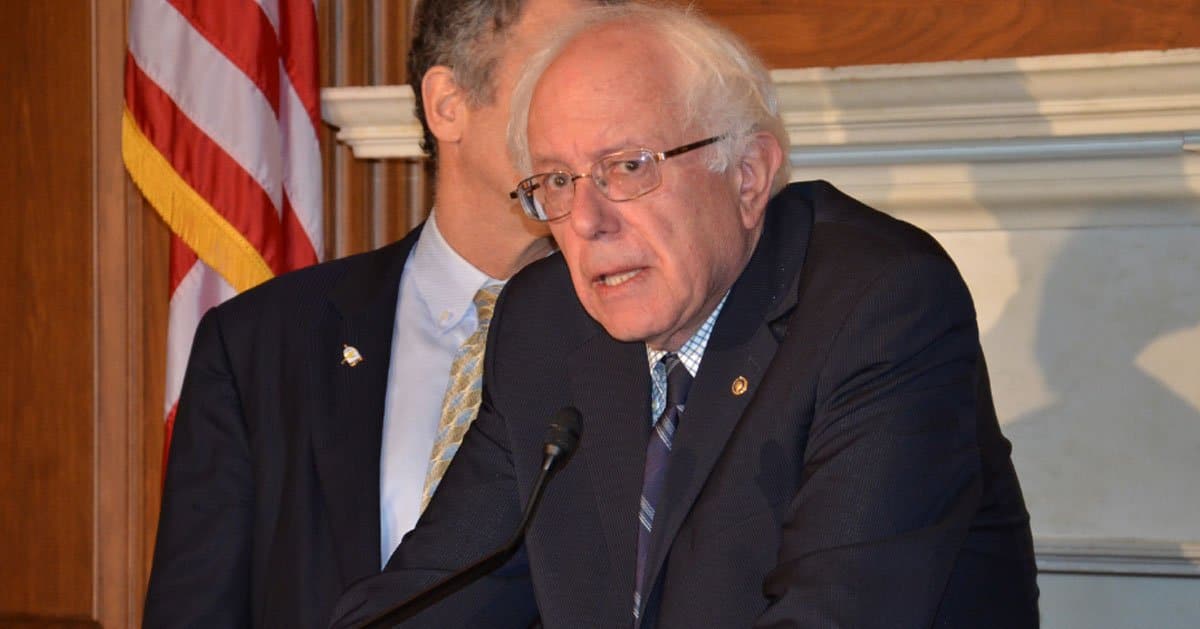
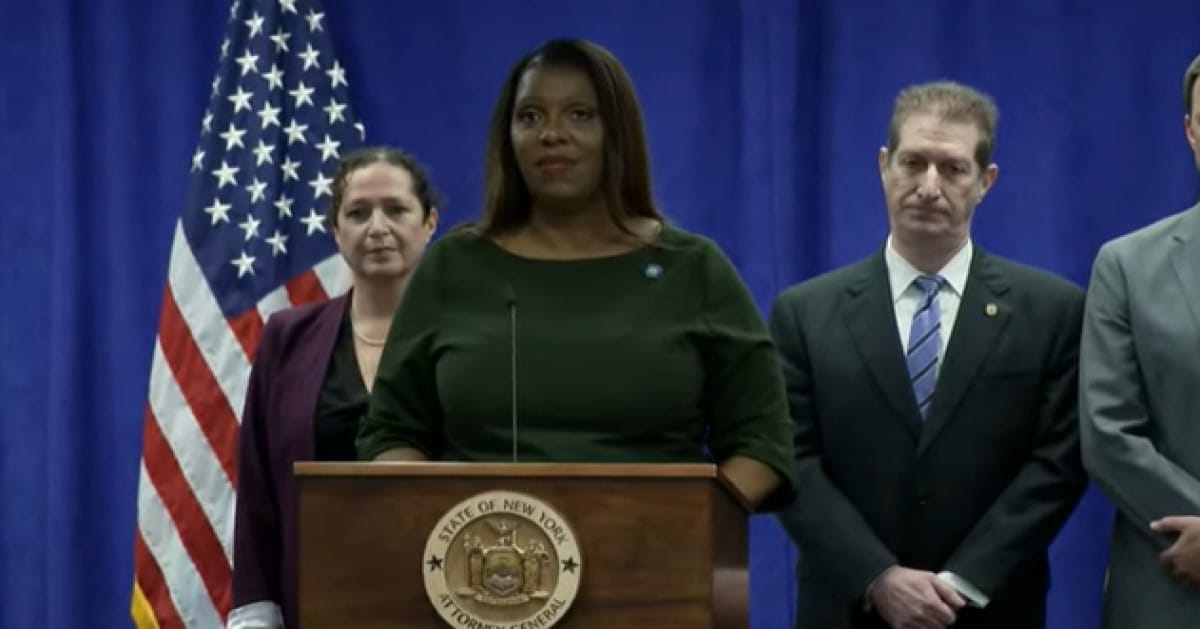
Michael Cohen, formerly a legal fixer for Donald Trump, published a Substack post on Friday alleging that New York Attorney General Letitia James and Manhattan District Attorney Alvin Bragg coerced him into providing testimony to bolster their cases against Trump.
Cohen’s accusations center on his involvement in the trials, where he testified about inflating Trump’s asset values alongside a former Trump Organization executive and detailed Trump’s alleged role in a 2006-related payment scheme.
Trump has dismissed Cohen as unreliable, and his legal team is currently appealing both the $454 million civil fraud judgment and the criminal conviction.
Cohen, who served over a year in federal prison for tax evasion, bank fraud, and lying to Congress, also admitted during trial to stealing $60,000 from Trump.
Cohen wrote, “I felt compelled and coerced to deliver what they were seeking," the New York Post reported. That’s a heavy charge against officials tasked with upholding justice, not bending it to fit a narrative. If true, it suggests a troubling willingness to prioritize conviction over fairness.
Delving deeper, Cohen described a pattern where prosecutors allegedly pushed him to tailor his testimony. He claimed that when his accounts didn’t align with their goals, they resorted to questionable tactics like leading questions.
This isn’t just a personal grievance—it points to a systemic flaw if prosecutors are more focused on winning than truth.
Trump didn’t hold back, blasting the cases on Truth Social as a “SET UP from the beginning.” His frustration echoes a sentiment many feel: that these legal pursuits seem more like personal vendettas than impartial justice. The timing of Cohen’s revelations, as appeals are pending, only fuels the fire.
Cohen’s role in both trials was pivotal, yet his admitted history of deceit—lying to Congress and stealing from Trump—casts a long shadow. Trump’s legal team has seized on this, arguing Cohen is “totally discredited.”
But even a flawed witness can expose real problems if the pressure he describes is verifiable.
Consider the civil fraud case, where Cohen testified about inflating asset values with a Trump Organization insider. If he was nudged to exaggerate or frame facts a certain way, as he alleges, it undermines the staggering $454 million judgment. That’s not just a number—it’s a potential miscarriage of justice.
Then there’s the “hush money” case, where Cohen told jurors Trump was directly involved in silencing claims of a 2006 encounter. Defense attorneys hammered his reliability, and now Cohen’s own words suggest prosecutors cared more about a guilty verdict than the full picture. That’s a dangerous precedent for any courtroom.
Cohen’s decision to speak out now, as appeals unfold, raises eyebrows about his motives. He says he’s seen the “damage” of targeting individuals before gathering evidence. Whether that’s genuine remorse or a calculated move, it forces a reckoning with how these cases were built.
Public trust in the justice system is already shaky, and stories like this don’t help. When legal battles appear to be driven by politics rather than principle, it’s the average citizen who loses faith. These allegations, even if partially true, demand transparency from James and Bragg’s offices.