New York City Mayor Zohran Mamdani’s cheerful comments about his new role have ignited a firestorm of backlash, coming on the heels of a deadly winter storm and a staggering municipal budget shortfall.
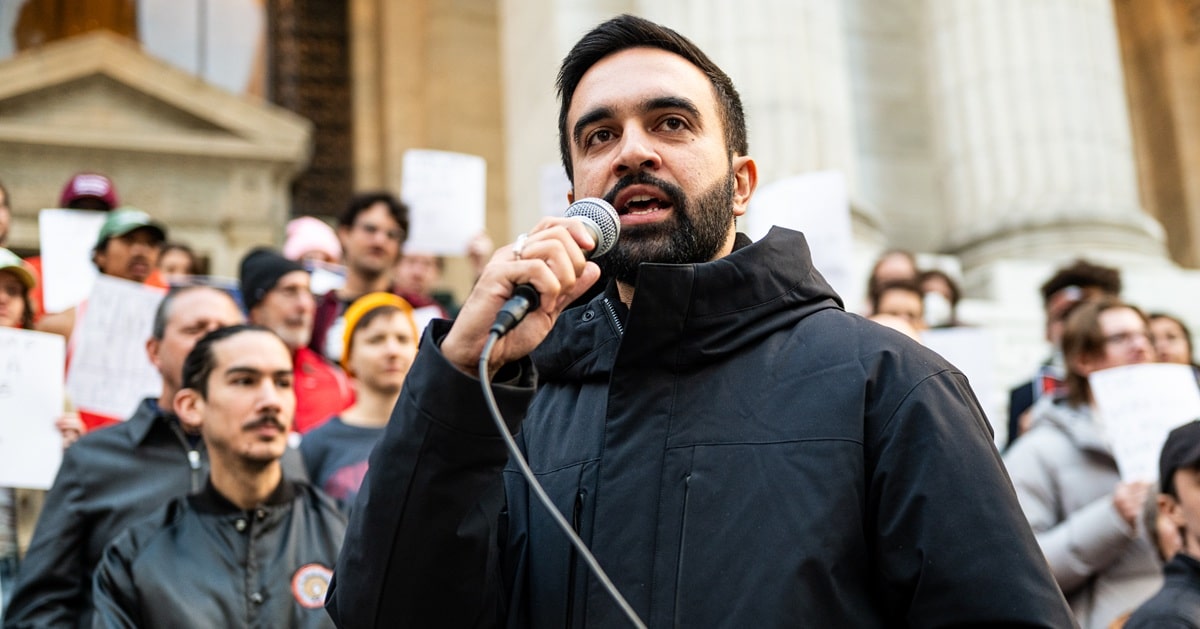
On Thursday, Mamdani spoke virtually at the US Conference of Mayors’ annual winter meeting during the “Big City Alliance” panel, as reported by Politico. He was unable to attend the two-day event in person due to the city’s ongoing recovery from Winter Storm Fern, which dumped about a foot of snow and brought below-freezing temperatures last weekend. His remarks, delivered to fellow city leaders, included an upbeat take on his first month in office despite recent tragedies and fiscal challenges.
The storm proved deadly, with 10 New Yorkers losing their lives during the deep freeze, seven of whom are suspected to have died from hypothermia, pending confirmation by the office of the medical examiner. City Hall also noted that at least six of the deceased had prior interactions with the city’s shelter system. Earlier in the week, Mamdani had publicly highlighted concerns about a $12 billion budget gap ahead of his first spending plan, expected in mid-February.
Critics have pounced on Mamdani’s tone, arguing it shows a disconnect from the harsh realities facing New Yorkers. The mayor’s assertion that he struggles to imagine how his job could be better has drawn sharp rebukes from politicians and commentators alike.
“What is he talking about? There are ten people dead, and a man freezing right outside his office window on Broadway that he’s done nothing about,” said Queens Republican Councilwoman Joann Ariola. Her frustration echoes a broader sentiment that the mayor’s words ring hollow against the backdrop of suffering and fiscal strain, as New York Post reports.
Let’s be clear: optimism from a leader can be refreshing, but timing matters. When bodies are still being counted after a brutal storm, and a homeless man is camped out in front of City Hall, gushing about the joys of governance feels like a slap in the face to those struggling. Mamdani’s defenders might argue he’s just settling into the role, but that excuse doesn’t warm frozen streets.
Mamdani did acknowledge potential fiscal hurdles during the panel, noting that some cities, including New York, face significant deficits. But his broader message of positivity has overshadowed any attempt at gravitas. The $12 billion budget hole looms large, and his upcoming spending plan will be a critical test of leadership.
Then there’s the issue of homelessness, a persistent crisis exacerbated by the recent storm. Mamdani’s decision to halt encampment sweeps upon taking office, coupled with his stance that forcibly removing people from the streets is a “last resort,” has fueled debate over public safety and compassion. Critics argue this softer approach failed to protect the vulnerable during the deep freeze.
On Thursday, as Mamdani spoke virtually, a homeless individual remained outside City Hall on Broadway, a stark symbol of the challenges he faces. While the mayor’s office insists his comments were taken out of context, senior spokesperson Dora Pekec declined to release the full speech, citing only a playful reference to a Lyndon B. Johnson quote. That opacity does little to quell the criticism.
“I’m new to the job. I know the burdens will get heavier, but right now I struggle to imagine how it could be better,” Mamdani said during the panel. Fine, he’s new—but with 10 deaths on his watch and a budget crater to fill, this isn’t the moment for self-congratulation.
Progressive policies often prioritize empathy over enforcement, but at what cost? When seven of the storm’s fatalities are tied to suspected hypothermia, and many had interacted with city shelters, it’s hard to argue the current approach is working. New Yorkers deserve a mayor who acts with urgency, not one who muses about how great the gig is.
Councilwoman Ariola didn’t mince words, urging Mamdani to enforce Code Blue protocols to protect the vulnerable. Her call for action over rhetoric cuts to the heart of the frustration: leadership isn’t about feel-good soundbites when sidewalks are still impassable, and lives are lost to the cold. It’s about results.
The mayor’s team insists he was merely being lighthearted, but public patience is thin. With fiscal challenges mounting and winter’s toll still fresh, Mamdani must shift from virtual panels to visible action. The city can’t afford a learning curve measured in lives.
Winter Storm Fern exposed systemic gaps—whether in shelter outreach or storm preparedness—that demand immediate attention. Mamdani has the chance to prove his early misstep was just that, a misstep, by tackling these issues head-on before the next crisis hits.
New Yorkers aren’t asking for perfection, but they do expect accountability. A $12 billion deficit and a deadly storm aren’t abstract problems; they’re the gritty reality of governing. If Mamdani wants to keep spirits high, he’ll need to show he can deliver solutions, not just smiles.