Kristen Stewart, the Hollywood actress turned director, has dropped a surprising revelation about her future in the United States amid tensions over President Donald Trump’s film industry policies.
Kristen Stewart recently told The Times that she is contemplating a move out of the U.S., citing an inability to work freely under current political conditions. She criticized Trump’s proposed 100% tariff on movies made outside the country, a policy he announced on Truth Social in September, claiming the U.S. movie business has been “stolen” by other nations. Additionally, Stewart, who describes herself as bi-coastal with homes in Los Angeles and New York, has already shot her directorial debut, “The Chronology of Water,” in Latvia.
Opinions on Trump's plan are sharply divided between those who think such tariffs protect American jobs and those who think they stifle creative freedom.
Governor Gavin Newsom’s press office called the proposal “100% stupid” on X, arguing it would cause irreparable damage to the U.S. film sector. Many in Hollywood echo this sentiment, while others see merit in prioritizing domestic production, according to Fox News.
Stewart’s journey with “The Chronology of Water” began back in 2018 when she announced the project at the Cannes Film Festival. She faced significant hurdles getting it made in the U.S., ultimately choosing Latvia for its “fledgling film culture” and the creative detachment she sought.
In a 2024 interview with Porter Magazine, Stewart explained her decision: “I am not a director yet. I need to make a student film.” She insisted that such an experimental approach felt impossible within the American system.
That’s a fair point—Hollywood can be a machine that grinds down originality with its rigid structures and profit-driven mindset. But isn’t there something to be said for staying and fighting for change rather than packing up for Europe? Stewart’s frustration is palpable, though it risks looking like an easy out.
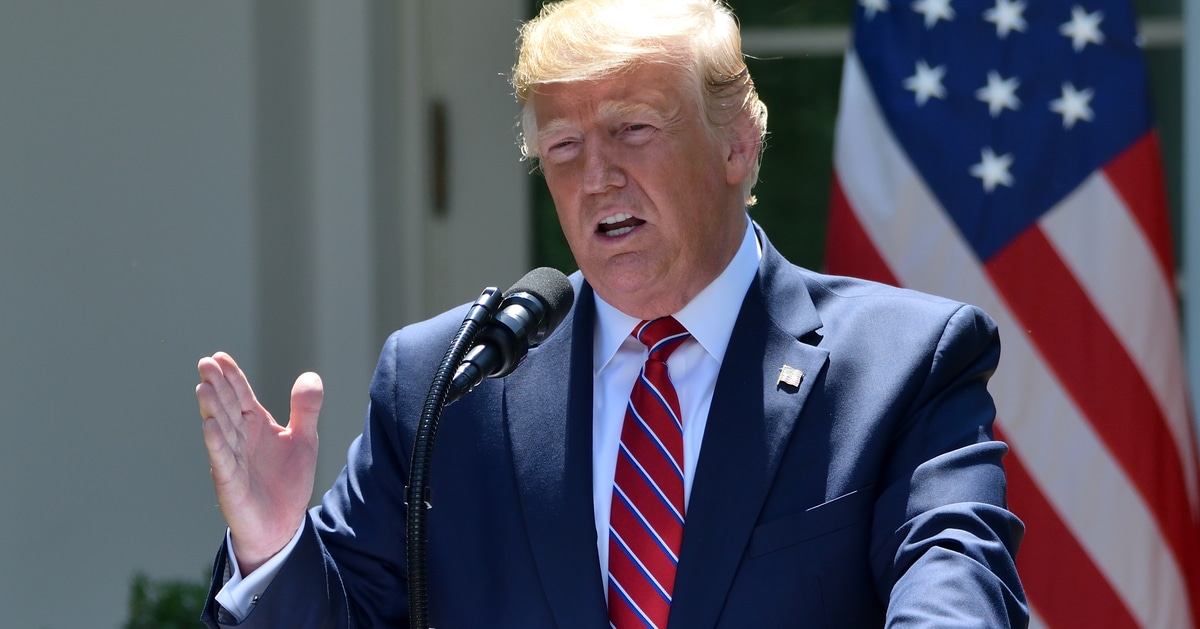
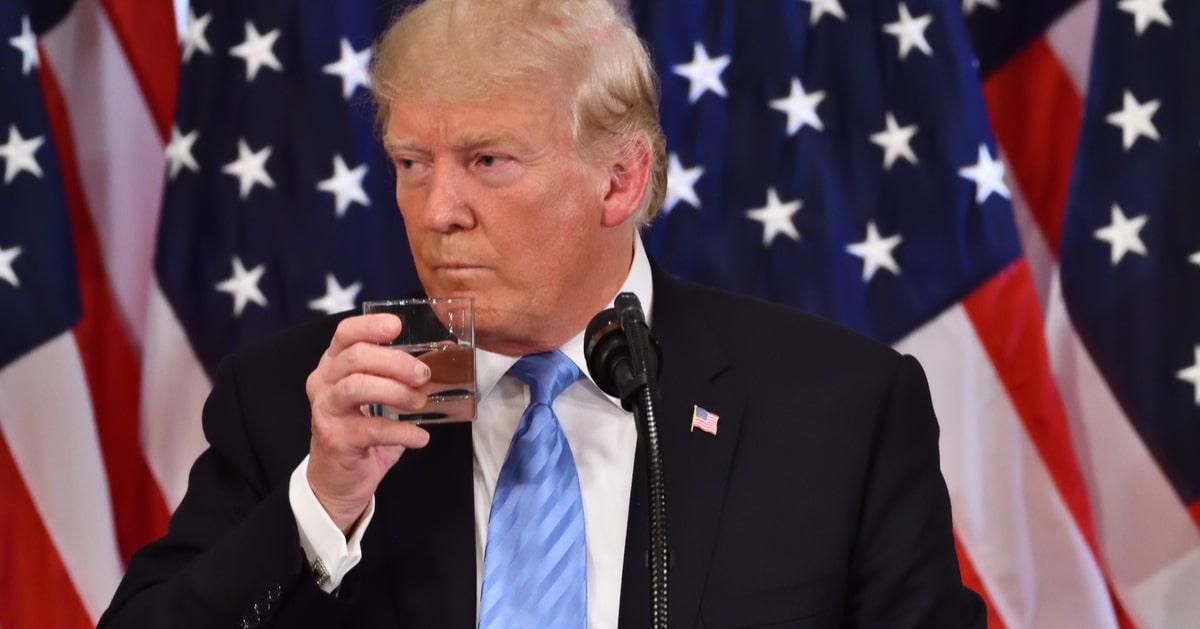
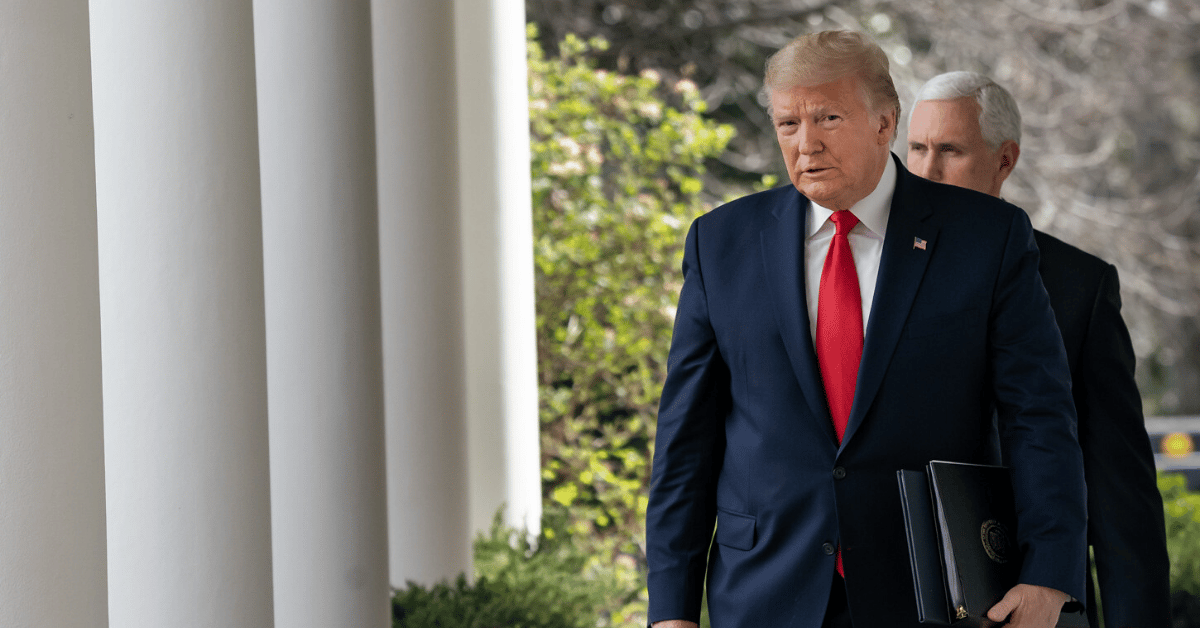
Trump’s tariff proposal, floated in September, sent ripples through the industry with its bold 100% penalty on foreign-made films. On Truth Social, he declared, “Our movie-making business has been stolen from the United States of America, by other Countries.” He argues that California, under what he calls weak leadership, has let the industry slip away.
Let’s unpack that—there’s truth to the idea that American jobs in film have dwindled as productions chase cheaper labor overseas. Yet, a blanket tariff this steep could backfire, pricing out smaller filmmakers and killing off international collaboration. It’s a sledgehammer approach when a scalpel might do.
Stewart herself called the tariff idea “terrifying” for the industry, a sentiment that underlines her broader discontent. Her fear isn’t just about money—it’s about artistic survival in a market that could become insular overnight. That’s a concern worth wrestling with, even if one supports bringing jobs home.
Stewart’s friction with Trump isn’t new; their paths crossed over a decade ago during her high-profile relationship with Robert Pattinson, her “Twilight” co-star. After a publicized cheating scandal involving her “Snow White and the Huntsman” director Rupert Sanders, Trump weighed in with tweets advising Pattinson against reconciliation. It was a personal jab that still lingers in public memory.
While that episode is ancient history, it colors Stewart’s current stance with a tinge of personal grievance. Still, her critique today focuses on policy, not personality, which keeps the conversation grounded. The past is just context, not the crux.
Last month, Stewart also aimed at the entertainment industry itself in The New York Times’ “The Interview,” calling it a “capitalist hell” that marginalizes certain voices. She argued that while unions are vital, their rules often create barriers for artists. It’s a sharp take on a system she clearly feels has failed her.
Here’s the rub—Stewart’s complaints about industry constraints resonate, especially when progressive agendas sometimes prioritize ideology over talent. But fleeing to Europe to “shove” movies down American throats, as she put it, feels like a slap to the very audience she claims to want to reach. There’s a disconnect there that’s hard to ignore.
Trump’s tariff, meanwhile, aims to protect American workers, a goal that’s hard to fault in principle. Yet, the execution could crush the global exchange of ideas that fuels cinema. Both sides have valid points, but neither seems ready to bridge the gap.