

In a surprising turn of events, a federal judge has flipped his own ruling, ordering refunds for two individuals tied to the January 6, 2021, U.S. Capitol unrest after they were pardoned by President Donald Trump.
This development centers on U.S. District Judge James Boasberg’s order this week in December 2025, mandating full repayment of fines and restitution for Cynthia Ballenger and Christopher Price, two defendants whose convictions were vacated following a sweeping presidential pardon.
Let’s rewind to January 6, 2021, when chaos erupted at the U.S. Capitol in Washington, D.C., leading to misdemeanor convictions for Ballenger and Price.
As part of their sentencing, both were slapped with hundreds of dollars in fees and restitution payments, a financial burden for actions tied to that fateful day.
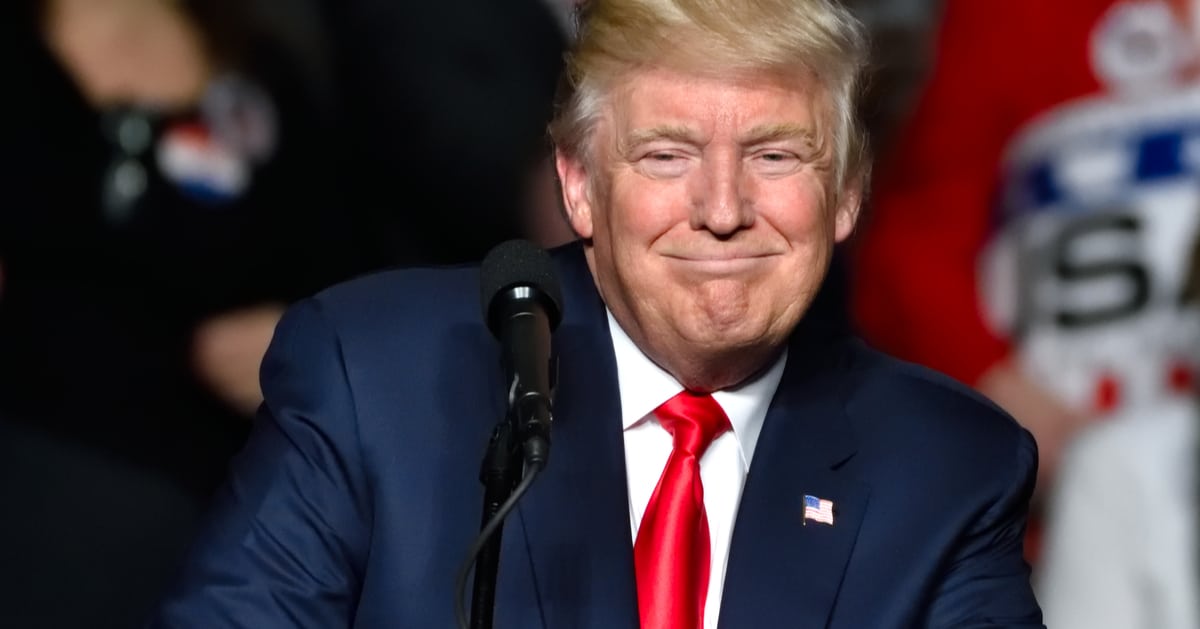
Fast forward to 2025, when President Trump, in a bold move during his second term, issued pardons for roughly 1,500 individuals connected to the Capitol events.
Ballenger and Price, already in the midst of appealing their convictions at the U.S. Court of Appeals for the D.C. Circuit, saw their cases rendered moot by the pardon, with their convictions ultimately vacated by the higher court.
In July 2025, Judge Boasberg initially rejected their request for a refund of $570 each in restitution and related fees, standing firm on precedent that a pardon alone doesn’t warrant returning payments.
Yet, the winds shifted by December 2025, as Boasberg reconsidered his stance, influenced by the appeals court’s vacatur of the convictions and the unique timing of Trump’s pardon.
In his latest memo, Boasberg wrote, “Having viewed the question afresh, the court now agrees with the defendants,” signaling a rare judicial about-face on a matter tied to such a polarizing event.
He further clarified, “So even if defendants’ pardon does not entitle them to refunds, the resulting vacatur of their convictions might,” highlighting that it’s the legal nullification, not the pardon itself, opening the door to repayment.
Boasberg’s reasoning cuts through the fog of political noise, arguing that when a conviction is wiped clean, the government must return any funds collected under that now-void judgment.
This isn’t just legal hairsplitting; it’s a nod to fairness for those caught in the crosshairs of a deeply divisive moment in our history, even if some in Congress grumble about accountability.
Speaking of grumbling, some Democrats, including the late Rep. Gerald Connolly, have lambasted Trump’s pardons, claiming they let participants “off the hook” for an estimated $2.7 billion in Capitol damages.
While the dollar figure stings, it’s worth asking if piling endless penalties on individuals like Ballenger and Price truly serves justice, or if it’s just a way to keep the culture war simmering at taxpayers’ expense.
Boasberg’s reversal, grounded in the vacatur of convictions, offers a pragmatic middle ground—acknowledging legal rights without bowing to either side’s political posturing, a refreshing change from the usual partisan tug-of-war.