

A procedural vote in the House collapsed Tuesday night after three Republican members voted against the rule, joining Democrats to sink the measure and hand Speaker Mike Johnson a stinging defeat on the floor he leads.
Reps. Thomas Massie of Kentucky, Kevin Kiley of California, and Don Bacon of Nebraska broke ranks within minutes of the vote's opening. House GOP leaders held the vote open for more than half an hour, scrambling to flip at least one of the defectors. None budged.
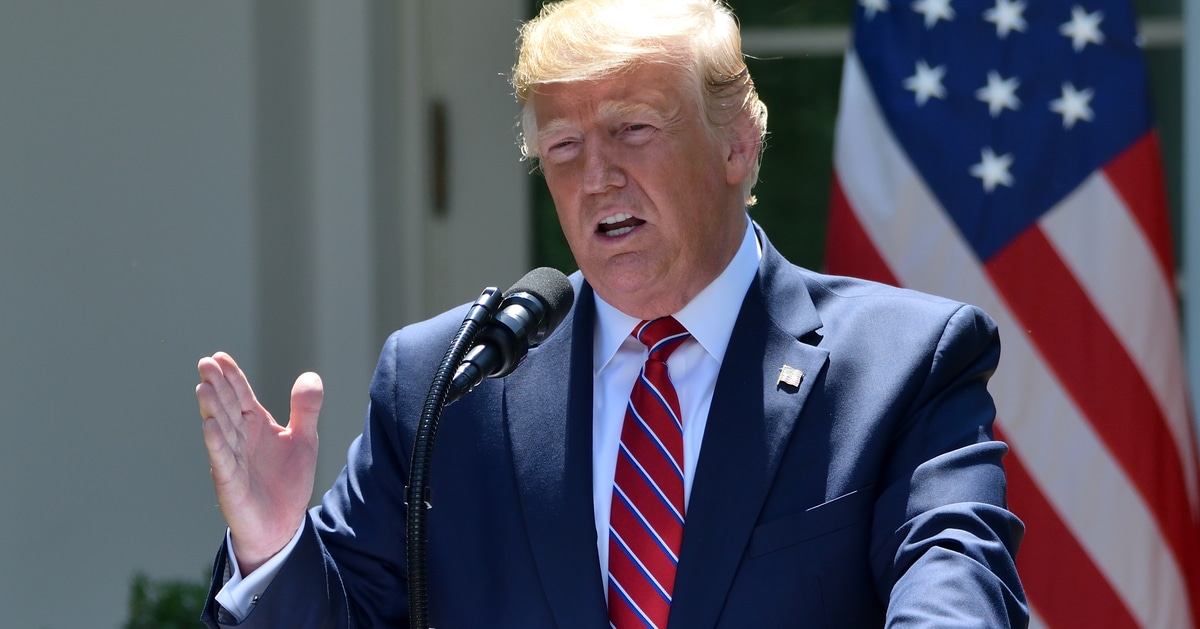
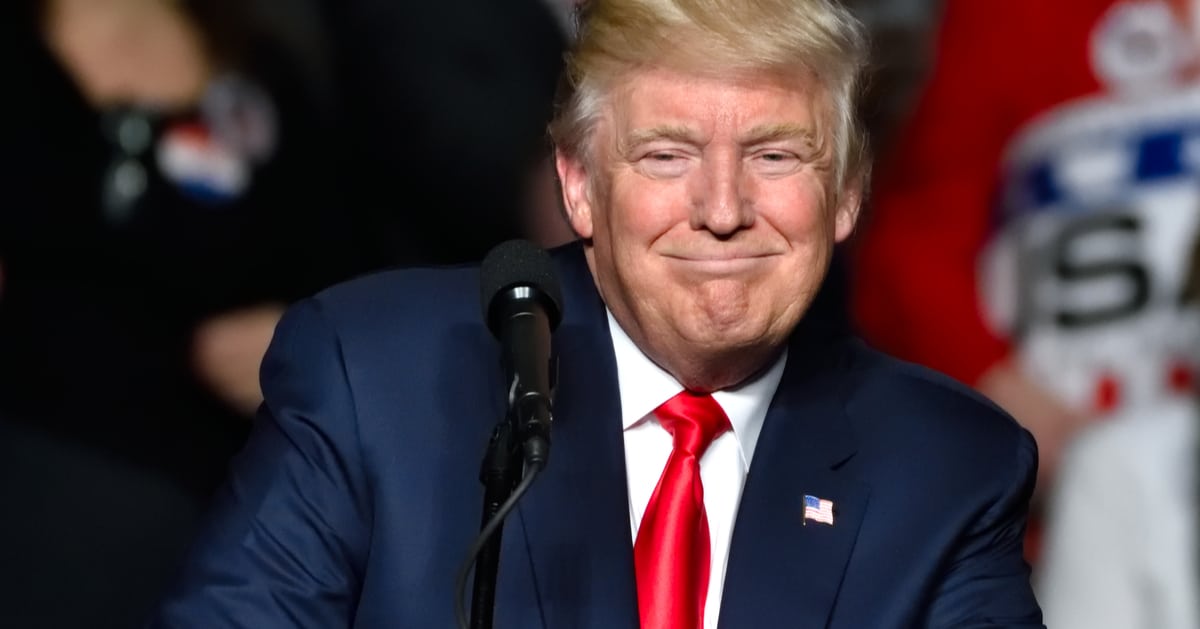
The failed rule had contained language that would have blocked the chamber from considering any legislation overturning President Trump's tariffs through at least July—a direct counter to Democrats, who had planned to force a vote targeting Trump's tariffs on Canada sometime this week. The maneuver would have taken that weapon off the table. Instead, it blew up in leadership's hands.
Johnson's majority is so thin that he can only afford to lose a single vote on any measure that passes along partisan lines. Three defections aren't a close call—it's a wall. And this wasn't a surprise ambush. The speaker had already delayed the vote by seven hours earlier in the day while trying to quell the growing opposition within his own conference, according to Fox News.
He couldn't.
Rep. Victoria Spartz of Indiana had signaled she would also vote no, but ultimately sided with leadership when the vote came. That wasn't enough. With Massie, Kiley, and Bacon holding firm, the rule was dead on arrival.
The objection from the Republican holdouts wasn't about trade policy itself—it was about how leadership tried to execute it. Kiley made that distinction explicit when speaking to reporters earlier Tuesday:
"The rule is to bring bills to the floor and set the parameters for debate. The purpose is not to sneak in unrelated language that expands the power of leadership at the expense of our members."
He followed up with a line that left no room for negotiation:
"I will not be voting for any rule that has language of that nature."
Massie confirmed to Fox News Digital ahead of the vote that he would oppose the rule over the tariff authority language. He followed through. Bacon voted no without making a public statement.
This is a meaningful distinction. None of the three framed their opposition as a rejection of Trump's tariff agenda. Their target was the procedural vehicle—the idea that leadership could use a routine rule vote to quietly expand its own authority and foreclose debate on a separate policy question entirely.
This isn't the first time Johnson has watched his agenda stall on the floor because a handful of members refused to fall in line. The House GOP conference has become a place where a razor-thin majority transforms every internal disagreement into a potential crisis. When you can lose exactly one vote, every member with a principled objection—or a grudge—holds veto power.
That dynamic cuts both ways. It forces leadership to negotiate seriously with its own members before bringing anything to the floor. But it also means that even modest overreach gets punished immediately. There's no margin to absorb dissent, which means dissent has to be prevented—not managed after the fact.
Johnson delayed the vote by seven hours and still couldn't close the deal. That suggests the objections were structural, not transactional. Kiley and Massie weren't angling for concessions on an unrelated priority. They were drawing a line on how the House operates.
The immediate consequence is straightforward: Democrats retain the ability to force a vote on Trump's Canada tariffs this week. That was the entire reason leadership embedded the blocking language in the rule in the first place. With the rule dead, the shield is gone.
Democrats will now have an opportunity to put every House Republican on the record—vote to sustain the president's tariffs or vote to overturn them. That's exactly the kind of vote leadership wanted to avoid, not because Republicans would lose it, but because it forces members from swing districts to take a position that can be weaponized in either direction.
The irony is that a procedural move designed to protect the conference from a difficult vote created a far more embarrassing spectacle: a public defeat on the House floor, driven entirely by Republican-on-Republican conflict.
There's a reasonable conservative argument that Massie, Kiley, and Bacon did their conference a favor—even if it doesn't feel that way tonight. The House works best when the rules process is transparent and limited to its actual purpose: setting the terms of debate on the legislation at hand. Stuffing unrelated policy riders into procedural votes is the kind of institutional habit that conservatives have rightly criticized for decades, regardless of which party does it.
If leadership wants to protect the president's tariff authority, the straightforward path is to win the vote on the merits—put it on the floor, make the case, and dare Democrats to argue against trade leverage with Canada. That's a debate Republicans can win. A procedural shortcut that collapses under its own weight is not.
Johnson now faces a choice: bring a clean rule back to the floor and accept the tariff vote Democrats want, or find another legislative path that doesn't trigger the same objections from his own members. Either way, the lesson is the same one this conference keeps learning the hard way.
A one-vote majority doesn't forgive shortcuts.