

President Trump just notched a significant win as the GOP-led House swatted down Democratic efforts to clip his wings on military action against Venezuela.
The crux of this fiery showdown is simple: House lawmakers rejected two resolutions on Wednesday, December 17, 2025, that sought to rein in Trump's bold campaign against Nicolas Maduro's regime in Caracas.
Let's rewind to Tuesday, December 16, 2025, when Trump dropped a bombshell by labeling the Caracas government a "foreign terrorist organization" and imposing a sweeping blockade on Venezuelan oil trade.
This blockade, targeting tankers at Venezuelan ports, has some legal eagles whispering it could be seen as an act of war under international norms.
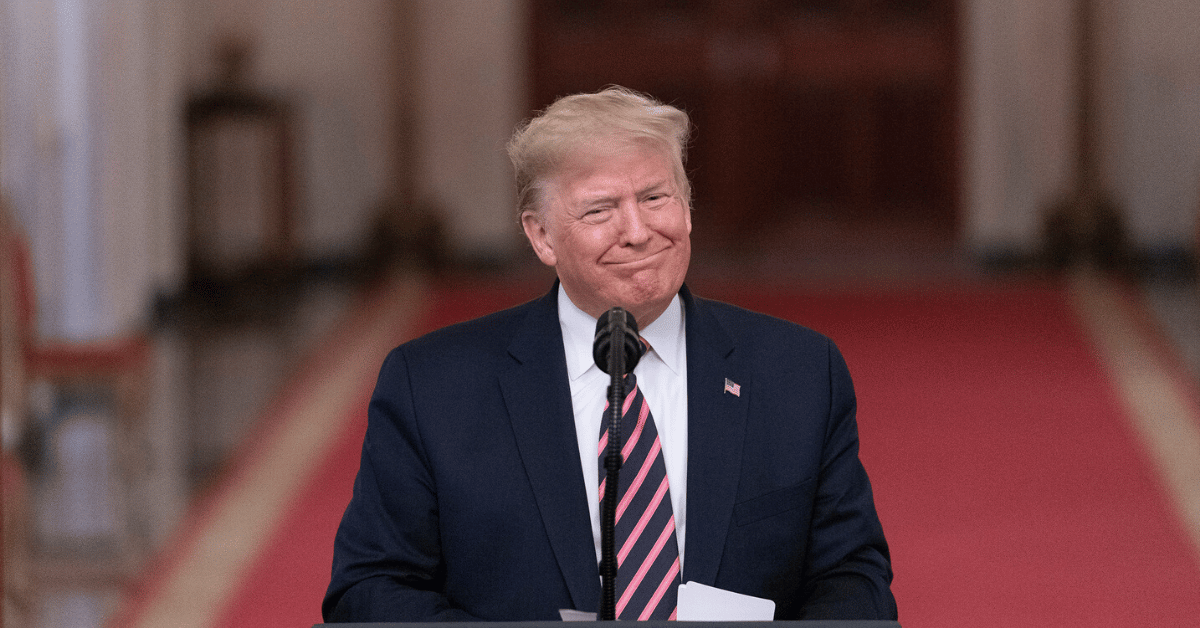
Trump didn't mince words on social media, declaring, "America will not allow Criminals, Terrorists, or other Countries to rob, threaten, or harm our Nation," in a Truth Social post on December 16, 2025. While his passion for protecting American interests is clear, one wonders if this digital saber-rattling risks escalating tensions beyond repair.
Adding fuel to the fire, Trump doubled down to reporters on December 17, 2025, saying, "They took our oil rights." His focus on reclaiming American oil assets from Maduro's grip shows a pragmatic edge, though critics might argue it’s a risky game of petro-politics.
Fast forward to Wednesday, December 17, 2025, when House Democrats, led by Rep. Gregory Meeks of New York, pushed a resolution to pull U.S. forces from unauthorized conflicts with terrorist groups in the Western Hemisphere, only to see it fail 210-216.
A second measure by Rep. Jim McGovern of Massachusetts, aiming to block military strikes within or against Venezuela, also tanked with a tight 211-213 vote. Even with a handful of Republicans crossing the aisle, the GOP majority held firm, signaling strong backing for Trump’s hardline approach.
Speaker Mike Johnson of Louisiana defended the president’s moves, telling reporters on December 17, 2025, that such actions are "necessary to protect the United States and our interests." His stance echoes a belief among conservatives that Maduro’s regime, accused of election theft and narcoterrorism, demands a muscular response—though some might question if diplomacy could still play a role.
Meanwhile, the U.S. military presence in the region is no small potatoes, with 11 warships and 15,000 troops positioned near Venezuela, alongside F-35B jets spotted in Puerto Rico on December 17, 2025.
Since September 2025, American forces have conducted over two dozen strikes, taking out 95 narcoterrorists in waters off Venezuela, initially framed as a drug trafficking crackdown. Trump, however, has shifted the narrative toward outright regime change, a pivot that raises the stakes considerably.
Some of Trump’s allies argue that Maduro, who they claim heads a criminal state, won’t budge without intense military and economic pressure. A source close to the White House admitted doubts about the blockade’s impact, suggesting it might not force Maduro’s hand without a more dramatic show of force.
The oil blockade, explicitly tied to Venezuela’s expulsion of U.S. companies, aims to choke Maduro’s financial lifeline, though its effectiveness remains uncertain amidst simmering regional tensions.
With the U.S. seizing a Venezuelan oil tanker and ramping up naval operations, the situation teeters on a knife-edge, begging the question of whether Congress—under the War Powers Act—will eventually demand a say if boots hit the ground.
For now, Trump holds the reins, backed by a House unwilling to curb his strategy against a regime many conservatives view as a clear threat to American security and economic interests. While the left cries overreach, the right sees a necessary stand—let’s hope this high-stakes chess game doesn’t checkmate into chaos.