Homeland Security Secretary Kristi Noem has made a decisive move to equip federal officers with body cameras in Minneapolis, a city marked by intense immigration enforcement clashes.
Announced on Monday via a post on X, Noem confirmed that every field officer in Minneapolis will now wear body cameras after consultations with border czar Tom Homan, ICE acting director Todd Lyons, and CBP Commissioner Rodney Scott. She added that the program will expand nationwide as funding permits, aiming for rapid deployment across DHS law enforcement. This decision comes amid congressional debates over a stopgap DHS funding bill, heightened by fatal shootings of two demonstrators by federal agents in Minneapolis last month, and Democratic pushes for broader immigration enforcement reforms.
The issue has ignited fierce debate over how far reforms should go and whether they truly serve public safety or just political agendas. What’s clear is that Minneapolis, a hotspot for Trump administration immigration operations, has become the testing ground for these changes.
According to the New York Post, Noem’s words on Monday cut straight to the point: “Every officer in the field in Minneapolis” will be equipped with these devices. That’s a bold commitment in a city where tensions between federal agents and anti-ICE activists have boiled over into tragedy.
Last month, two demonstrators, Renee Good and Alex Pretti, both 37, were killed by DHS agents during enforcement actions. Reports indicate that Good accelerated her car toward an agent before shots were fired, while Pretti, armed with a loaded handgun, struggled with agents before being shot. Both incidents, now under federal investigation, have fueled Democratic demands for sweeping changes.
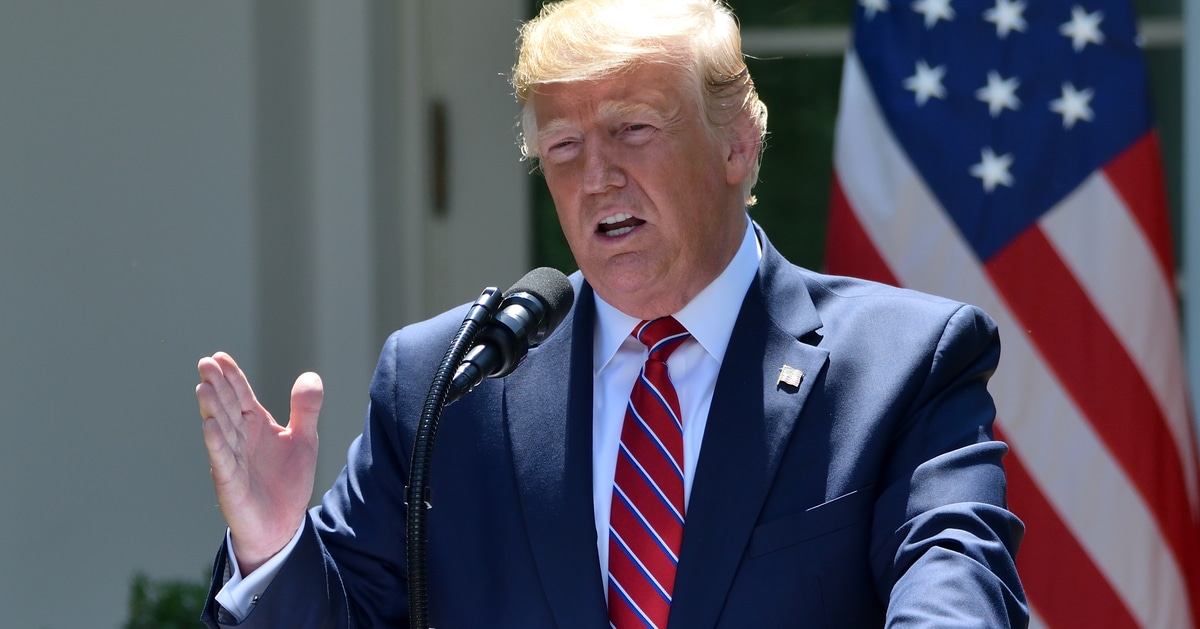
President Trump, weighing in on Monday, gave a pragmatic nod to Noem’s decision, saying, “They generally tend to be good for law enforcement because people can’t lie about what’s happening.” His support suggests confidence in body cameras as a tool to cut through the fog of conflicting narratives. And in a climate where every encounter is scrutinized, that’s no small thing.
While body cameras have bipartisan backing—House Speaker Mike Johnson noted on Sunday that Republicans allocated $20 million for them in a bill Democrats rejected—the broader Democratic agenda raises eyebrows. Their proposals, tucked into a DHS funding bill under discussion this month, include banning masks for ICE agents, mandating identification, and requiring judicial warrants for removals. These aren’t just reforms; they’re handcuffs on enforcement, critics argue.
Mark Krikorian of the Center for Immigration Studies didn’t mince words, stating, “It’s intended to be a way of preventing immigration enforcement — that’s the goal of this judicial warrant nonsense.” He warns that forcing agents to secure judicial warrants would bury federal judges under endless requests, grinding deportations to a halt. It’s hard to see this as anything but a deliberate stall tactic.
Then there’s the issue of administrative warrants, expanded by ICE’s Todd Lyons in a May 2025 memo, allowing home arrests without judicial oversight. A Migration Policy Institute representative noted this shift is under legal challenge on Fourth Amendment grounds. This clash between operational efficiency and constitutional protections is a tightrope that needs careful navigation.
Minneapolis isn’t just a backdrop; it’s a pressure cooker where wrongful detentions of U.S. citizens and home arrests have inflamed anti-ICE protests. These operations, sometimes executed with administrative warrants, have drawn sharp criticism from activists. But securing the border and enforcing laws can’t be sidelined by every objection, especially when national security is at stake.
Chuck Schumer took a victory lap on Friday after the Senate stripped immigration enforcement funding from a larger package, framing it as a push to “overhaul DHS to rein in ICE and end the violence.” That rhetoric plays well with the progressive crowd, but it dodges the hard reality of illegal immigration’s strain on communities. Stripping funds without a clear fix isn’t reform—it’s sabotage.
Meanwhile, a stopgap funding bill, brokered last week by Trump and Schumer, aims to buy time for negotiators to hash out these contentious reforms. The House vote this week will be a litmus test for whether bipartisanship can survive the ideological mudslinging. Hardline Republicans, wary of broader funding packages without voter citizenship proof, are already digging in their heels.
The body camera rollout is a win for transparency, and with Trump and Johnson on board, it’s a practical step that doesn’t bow to the left’s overreach. But the fight over judicial warrants, masks, and roving patrols signals a deeper battle over whether enforcement will be empowered or paralyzed. Krikorian’s point that some of these issues aren’t “a hill worth dying on” for Republicans hints at room for compromise—if it’s strategic.
Minneapolis will remain the proving ground, where every arrest, every confrontation, is now under a literal lens. If body cameras prove their worth here, the nationwide expansion Noem promised could reshape how DHS operates. That’s a future worth watching, especially when the alternative is gridlock driven by ideological posturing.
For now, Noem’s move shows the administration isn’t just reacting but leading with solutions that balance accountability and action. While Democrats push for reforms that could cripple enforcement, conservatives must hold the line on what works: securing borders without surrendering to narratives that prioritize optics over outcomes. The road ahead is rocky, but with clear-eyed leadership, it’s navigable.