

Rep. Marjorie Taylor Greene (R-Ga.) dished to the New York Times in a profile published on Monday about President Trump’s reaction to her push to expose abusers tied to Jeffrey Epstein.
Greene’s clash with Trump, once her steadfast ally, erupted after she vowed to name names linked to Epstein’s victims, only to face a heated phone call from the president, a public feud, and her stunning decision to exit Congress on Jan. 5, 2026.
Let’s rewind to the start: Greene attended a closed-door meeting of the House Oversight and Government Reform Committee with women who suffered at the hands of Epstein’s network.
Emerging from that meeting, she held a news conference, publicly committing to reveal the identities of the men responsible for the abuse.
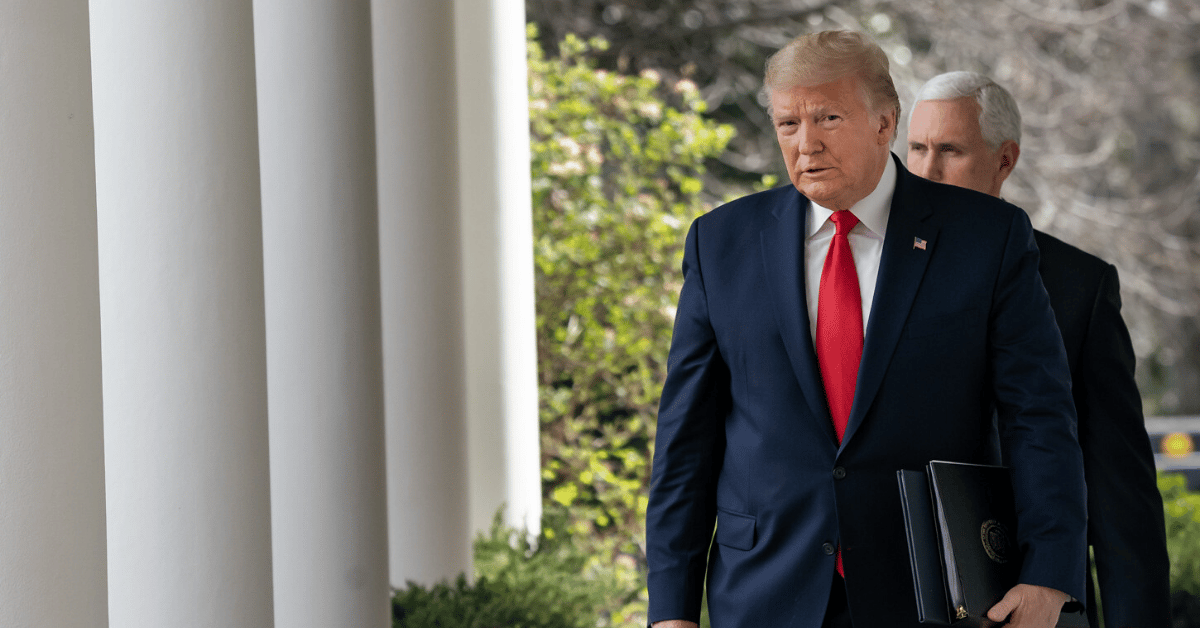
That’s when things got spicy—Greene claims Trump called her right after, and according to a New York Times profile, people nearby could hear him shouting over speakerphone.
Greene told the Times she was baffled by Trump’s pushback, especially when he reportedly said, “My friends will get hurt,” a statement that’s now fueling firestorms across the political spectrum.
Democrats, predictably, pounced on this quote faster than a cat on a laser pointer, with Sen. Ruben Gallego (D-Ariz.) posting on X, “‘My friends will get hurt,’ he said. That’s the Trump presidency in a sentence: Elite protecting elite. Even if they abused young girls."
Let’s be real—while Gallego’s jab stings, conservatives might argue it’s a cheap shot, ignoring the need for hard evidence before convicting anyone in the court of public opinion, though no one should dodge scrutiny here.
Greene's allegation does not include any context for Trump's comments. Was he intending to protect child sex abusers, or did he mean something else entirely?
The fallout didn’t stop there; Trump escalated by announcing in mid-November 2025 that he’s yanking his endorsement of Greene and backing a primary challenger.
Shortly after being branded a traitor by Trump, Greene declared she’s done with Congress, effective Jan. 5, 2026, leaving her constituents in a lurch halfway through her term.
White House spokesperson Davis Ingle didn’t mince words, stating, “Is quitting on her constituents in the middle of her term and abandoning the consequential fight we’re in — we don’t have time for her petty bitterness."
Now, while Ingle’s critique of Greene’s exit has a point, let’s not pretend the bigger issue isn’t Trump’s alleged resistance to exposing potential wrongdoers—conservatives should demand transparency, not excuses.
This feud, once unthinkable given Greene’s loyalty to Trump, shows even the MAGA movement isn’t immune to internal fractures when core principles like justice for victims clash with personal alliances.
For those of us who value draining the swamp over protecting the connected, this story is a reminder: no one gets a pass, not even friends of the powerful, and investigations must proceed without fear or favor.