

The Federal Reserve just dropped another rate cut, but the real fireworks might be coming from President Donald Trump’s corner.
On Wednesday, December 10, 2025, the Fed sliced its benchmark federal funds rate by a quarter point to a range of 3.50% to 3.75%, marking its third straight cut, while internal rifts and external pressures from Trump hint at a stormy road ahead with Fed leadership changes looming in 2026.
After a two-day huddle, the Federal Open Market Committee (FOMC) made the call to ease rates, but not without some serious head-scratching among members. Some worry the labor market could crumble without more cuts, while others fret that further easing might stoke the inflation dragon again. It’s a tightrope walk, and the Fed’s balance is looking shaky.
Adding to the drama, this decision came during a data blackout triggered by a record-breaking federal government shutdown. Key figures like the November jobs report, delayed until December 16, 2025, and the canceled October consumer price index left the Fed flying blind. Alternative data pointing to a cooling labor market only muddied the waters further.
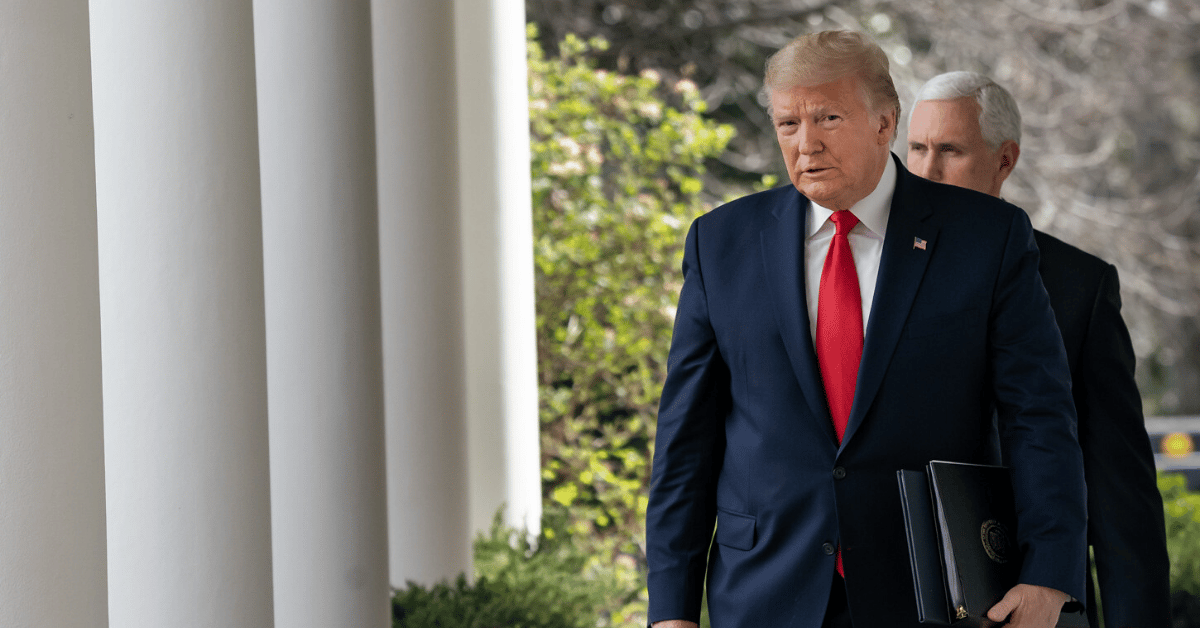
While the Fed grapples with these unknowns, President Trump isn’t holding back his opinions on monetary policy. “We have a bad head of the Fed. We’re going to be making a change,” he declared during an economy-focused speech in Pennsylvania on Tuesday, December 9, 2025. Well, that’s one way to signal a shake-up, though one wonders if patience might yield better results than a public jab.
Trump’s frustration isn’t just talk—he’s gearing up to name a successor to Fed Chair Jerome Powell, whose term wraps up in May 2026. Word is, the president wants someone who’ll push for swift rate reductions, no questions asked. Betting markets are eyeing National Economic Council Director Kevin Hassett as the likely pick, given his alignment with Trump’s vision.
But Trump’s not stopping at Powell’s replacement; he’s questioning the legitimacy of four Fed governors appointed by the previous administration. He’s floated the idea that their appointments might have been made via an unauthorized autopen, a claim his team recently moved to challenge by invalidating such orders. It’s a bold move, though some might call it a distraction from deeper policy debates.
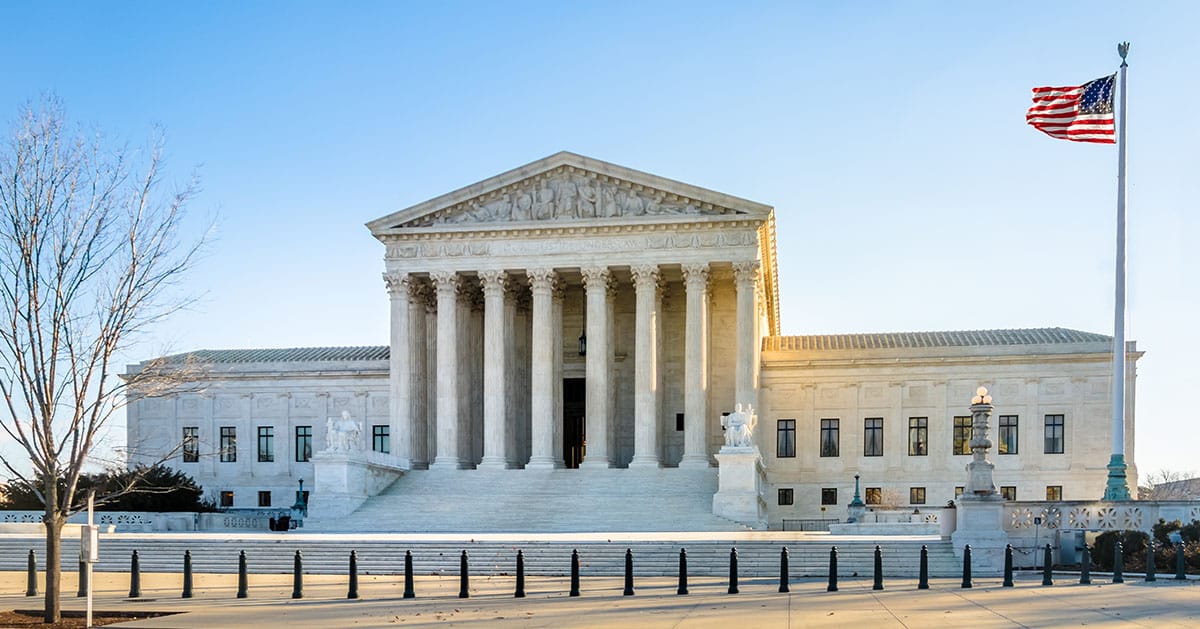
Take Federal Reserve Governor Lisa Cook, for instance—Trump tried to oust her in August 2025 over alleged mortgage fraud. The Supreme Court, however, ruled she can stay on the board at least until January 2026, when arguments on her removal will be heard. It’s a messy legal tangle, but it shows the administration isn’t backing down.
The Fed board itself is a mixed bag, with four governors from the prior administration, two from Trump’s first term, and a recent appointee, Stephen Miran, joining in September 2025. That diversity of perspectives could be a strength—or a recipe for gridlock. Only time will tell which way the wind blows.
Meanwhile, the Fed is reappointing its 12 regional reserve bank presidents, five of whom get a yearly vote on rate decisions as FOMC members. These presidents are nominated by their boards but need approval from the seven-member Fed board, a process that’s often more political than it sounds.
Treasury Secretary Scott Bessent tossed a new idea into the mix on December 3, 2025, suggesting regional bank presidents should live in their districts for at least three years before taking the job. He’s argued since November that these banks must reflect their local perspectives to loosen what he calls the “New York hold” on Fed policy. It’s a fair point—why should one city’s outlook dominate the nation’s financial heartbeat?
Back to the rate cut itself, the Fed’s latest move shows it’s still trying to cushion a softening labor market. But with internal divisions deepening, it’s unclear if this cautious quarter-point trim will satisfy anyone—least of all a president hungry for bolder action.
As Powell’s term nears its end, the specter of a Trump-appointed chair pushing rapid rate cuts hangs heavy. Will that mean relief for borrowers, or a reckless gamble with inflation? It’s a question worth pondering as 2026 approaches.
For now, the Fed is navigating a perfect storm of data gaps, government shutdowns, and political pressure. The rate cut might buy some breathing room, but with Trump’s team itching for change, the central bank’s independence could be tested like never before.
So, while the Fed tinkers with rates, the real story might be unfolding in the political arena. Americans deserve a monetary policy that prioritizes stability over partisan games, and here’s hoping cooler heads prevail—on both sides of this escalating tug-of-war.