


Federal prosecutors are investigating whether a New York City Council member, her sister who served as a top aide to Governor Kathy Hochul, and the husband of a state Assembly member accepted bribes or kickbacks in exchange for helping a migrant shelter provider that has collected $200 million in city contracts, the New York Post reported.
The three individuals named in a federal search warrant signed March 19 are Democratic Councilwoman Farah Louis, her sister Debbie Louis, and Edu Hermelyn, the husband of state Assembly Member Rodneyse Bichotte Hermelyn, who also chairs the Brooklyn Democratic Party. All three are prominent Brooklyn Democrats. None have been charged.
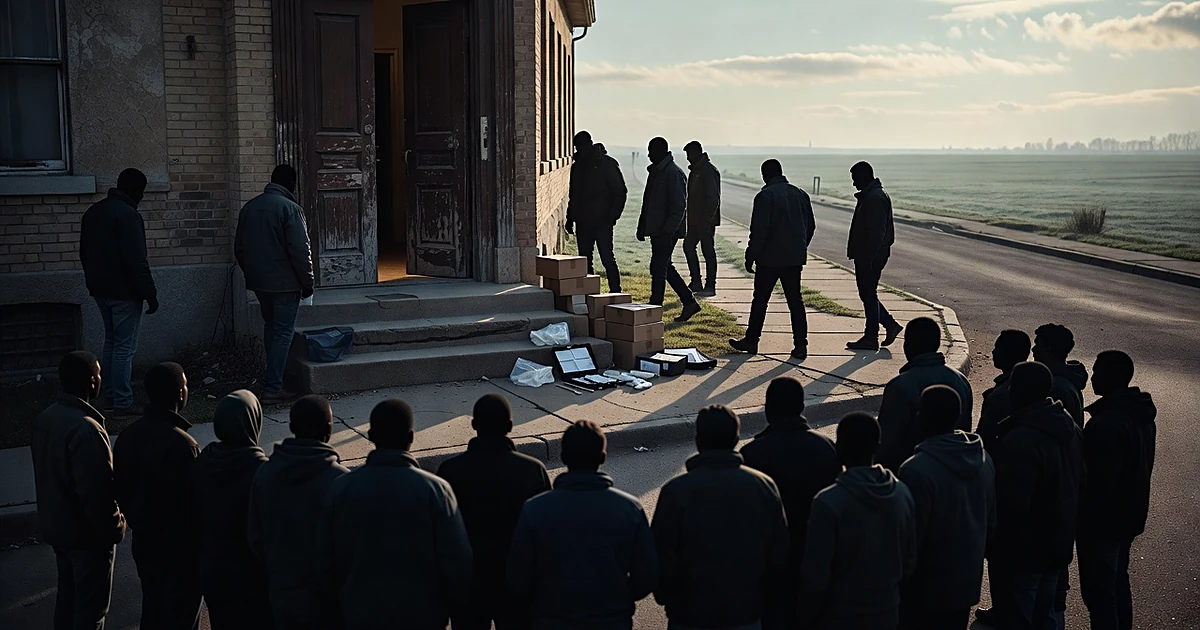
The company at the center of the probe is BHRAGS Home Care Inc., a Brooklyn-based home service provider that pivoted into the migrant shelter business during New York City's migrant crisis. BHRAGS landed its first emergency shelter contract in 2022. City records show the company has been awarded more than a dozen contracts, most for homeless services.
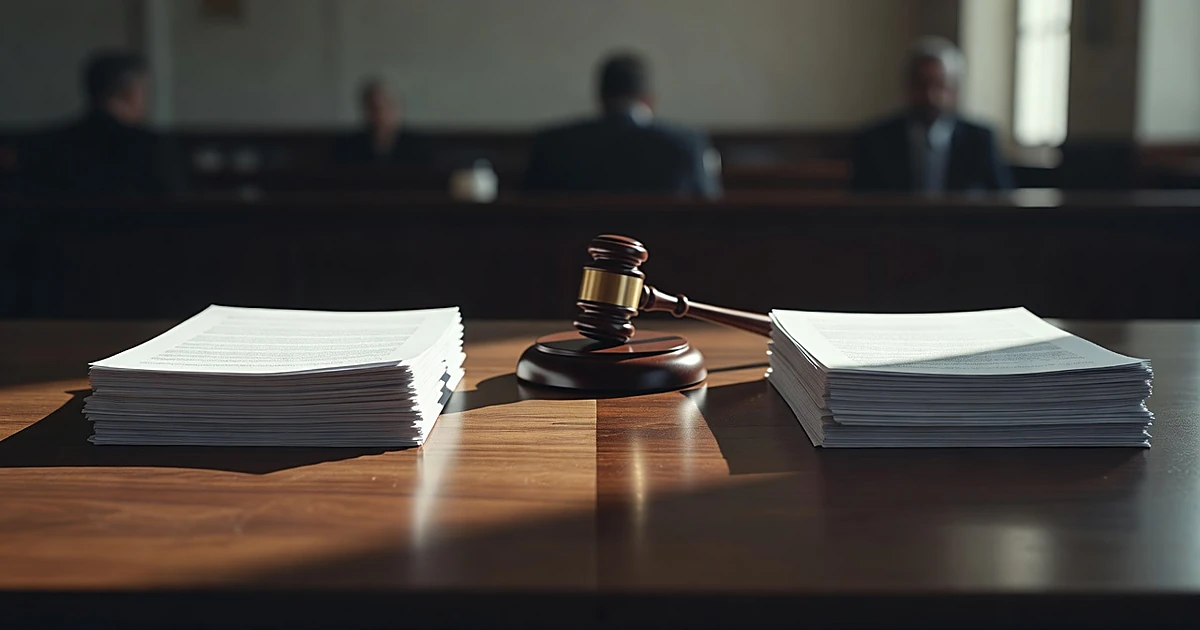
The Associated Press obtained the search warrant, which sought evidence of possible criminal violations. Prosecutors are examining whether Farah Louis, Debbie Louis, and Edu Hermelyn received kickbacks in exchange for actions taken on behalf of BHRAGS. The warrant also sought a phone connected to the investigation.
Sources told the Post that several federal raids were executed in connection with the probe. The specific locations and timing of those raids have not been disclosed publicly.
Debbie Louis held the title of assistant secretary of New York City intergovernmental affairs under Hochul, a position that placed her at the intersection of state and city government. A Hochul spokesperson told the Post that Debbie Louis was placed on leave immediately after the governor's office learned of the federal investigation.
The governor herself has not commented publicly. Attempts to reach Assembly Member Rodneyse Bichotte Hermelyn were unsuccessful.
A Brooklyn insider described as an ally of Bichotte Hermelyn pushed back hard, telling the Post:
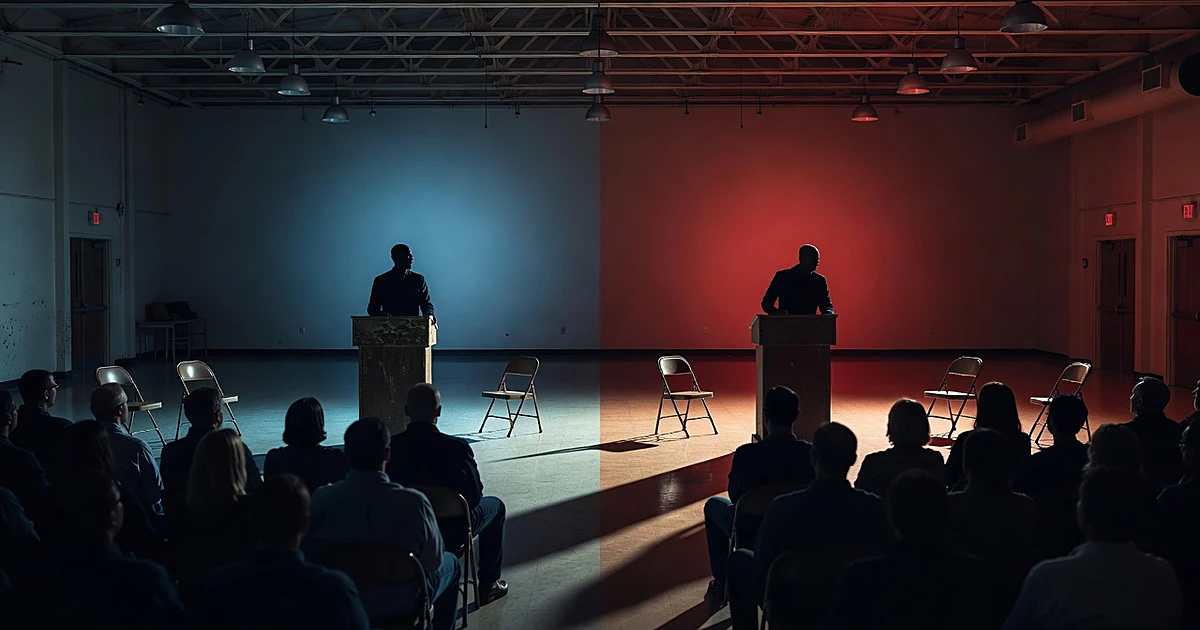
"This is political persecution driven by the far-right, targeting immigrants and the leaders who stand with them."
The same insider added:
"There are no charges at this time, and the facts will ultimately lead to this case being dropped on its merits."
That framing deserves scrutiny. Federal prosecutors do not typically pursue search warrants, execute raids, and name specific individuals in warrant filings as a political exercise. Search warrants require a judge's signature and a showing of probable cause. Dismissing the investigation as ideological before any facts have been adjudicated is a familiar deflection, one that asks the public to ignore the process and focus on the accusation's political inconvenience.
The scale of taxpayer money at stake is not trivial. Two hundred million dollars in city contracts flowing to a single Brooklyn-based provider, one that transitioned from home care services to running emergency migrant shelters, raises basic questions about oversight, procurement, and the political relationships surrounding those awards.
New York City's migrant crisis has strained budgets and services for years. Billions have been spent sheltering, feeding, and processing illegal immigrants who arrived in the city. The speed at which contracts were awarded during the emergency created fertile ground for waste and abuse. Whether BHRAGS won its contracts through legitimate competition or through relationships greased by political insiders is precisely the kind of question federal investigators are equipped to answer.
This is hardly the first time alleged bribery schemes involving political figures have drawn federal attention. The pattern, public officials positioned near large government contracts, with family members or associates allegedly collecting benefits, is one prosecutors know well.
The relationships here are worth mapping. Farah Louis sits on the City Council. Her sister Debbie Louis worked directly for the governor on city-state affairs. Edu Hermelyn is married to the chair of the Brooklyn Democratic Party, who also serves in the state Assembly. BHRAGS operates in Brooklyn. The contracts came from the city.
None of that proves wrongdoing. But the overlap between political power and contract dollars is exactly the kind of arrangement that invites corruption, and exactly the kind federal prosecutors are trained to investigate.
The case also fits a broader pattern of alleged criminal misconduct by Democratic officeholders that has drawn increasing public attention. Voters have a right to expect that elected officials and their families are not profiting from the crises they are supposed to be managing.
Key details remain unclear. The specific criminal violations under examination have not been disclosed. The particular actions the three individuals allegedly took on behalf of BHRAGS have not been publicly described. No charges have been filed. The investigation may or may not result in indictments.
It is also unclear what role, if any, Assembly Member Bichotte Hermelyn played. She was not named in the warrant, and reporters could not reach her. Her husband was named. The distinction matters legally, though politically the proximity is impossible to ignore.
Meanwhile, questions about questionable money flows within Democratic political networks continue to surface in other states as well, suggesting the Brooklyn probe is not an isolated episode but part of a wider accountability gap.
New York City's emergency spending on the migrant crisis created a contracting gold rush. When governments spend fast and oversight lags, the risk of fraud rises. A Brooklyn provider collecting $200 million across more than a dozen contracts while politically connected individuals allegedly pocket kickbacks is the kind of story taxpayers dread, and the kind investigators should pursue without regard to which party is embarrassed.
The ally's claim that this probe amounts to "political persecution driven by the far-right" is worth measuring against a simple fact: the search warrant was signed by a judge. Federal prosecutors presented enough evidence to obtain it. That is not persecution. That is the system working.
If the facts clear everyone involved, that outcome should be welcomed. But the reflexive move to cast a federal bribery investigation as partisan targeting, before any evidence has been weighed publicly, tells you more about the accused's political instincts than about the merits of the case.
When $200 million in taxpayer money meets a web of family ties and political power, the public deserves answers, not deflections dressed up as civil rights.