A federal judge has halted key provisions of President Trump’s executive order aimed at reshaping the federal elections process, delivering a significant setback to the administration’s voter registration policies.
On Friday, U.S. District Judge Colleen Kollar-Kotelly issued a 118-page ruling that barred several government agencies from enforcing two parts of an executive order signed by President Trump last March. The blocked provisions include a mandate for federal agencies and the Defense Department to require proof of citizenship during voter registration. Additionally, the order threatened to withhold federal funding from states that fail to comply with these requirements.
The ruling comes amid broader legal challenges, including a decision earlier this month by a federal judge in Seattle that restricted enforcement of similar provisions in Washington and Oregon. That decision also prevented the administration from enforcing a mail-in ballot deadline on Election Day and directing the Election Assistance Commission to halt funding to states not requiring documentary evidence of citizenship. These legal battles unfold as the Trump administration continues efforts to access voter roll data from states nationwide.
The issue has ignited fierce debate over the balance of power in regulating elections. Many Democratic-led states have criticized the executive order, arguing that the president lacks the authority to impose such rules on state-level voting processes, as The Hill reports.
Judge Kollar-Kotelly emphasized the gravity of her decision, stating, “Upholding our Constitution’s separation of powers in the election context is a matter of substantial importance.” Her words underscore a belief that federal overreach could undermine the delicate framework of election law. But let’s be honest—doesn’t this sound like a convenient shield for states dodging accountability on voter integrity?
She also declared, “The Supreme Court long ago recognized that the right to vote is a ‘fundamental political right’ because it is ‘preservative of all rights.’” That’s a noble sentiment, but when voter rolls are potentially padded with ineligible names, doesn’t that dilute the very rights she’s protecting? The tension here is real, and it’s not just legal jargon—it’s about who gets to decide what a fair election looks like.
Some legal experts have labeled the policy as a form of “voter suppression,” a term that gets tossed around whenever voter ID or citizenship checks come up. If asking for proof of citizenship is suppression, then what’s the alternative—open season for anyone to cast a ballot, no questions asked? That’s not a system; that’s a free-for-all.
The pushback from Democratic states often frames this as an attack on access to the ballot box. Yet, isn’t it reasonable to ensure that only citizens are voting in our elections? The progressive agenda sometimes seems more focused on optics than on securing the process.
Look at the Seattle ruling—it blocked not just the citizenship documentation but also a hard deadline for mail-in ballots on Election Day. Why resist a clear cutoff that ensures votes are counted fairly and on time? It’s hard to see this as anything but prioritizing convenience over clarity.
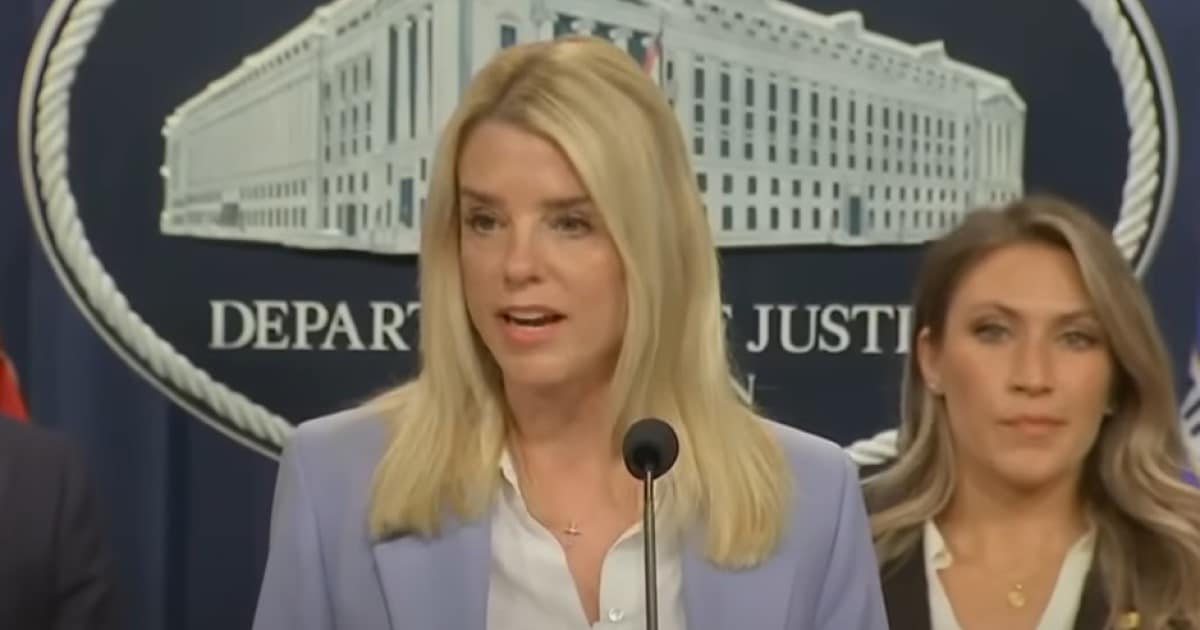
Meanwhile, the administration’s pursuit of voter roll data adds another layer of contention. This week, Attorney General Pam Bondi requested Minnesota’s voter data, reportedly in exchange for easing a federal immigration enforcement effort in the state. Democrats have raised alarms, suggesting this could be an attempt to meddle in upcoming midterm elections.
Let’s unpack that concern. If the goal is transparency—ensuring voter rolls are accurate—then accessing data makes sense, especially after past controversies over election integrity. But tying it to immigration policy does muddy the waters, handing critics an easy talking point.
Democrats’ fears of election interference aren’t baseless, given the ongoing scrutiny of past elections. Still, without hard evidence of misuse, these data requests could just as easily be about cleaning up a messy system. Why assume the worst when fraud prevention might be the aim?
Adding to the complexity, the FBI launched a new investigation this week into 2020 voting records at the Fulton County, Ga., elections office. This move revives questions about election integrity that have lingered for years. It’s a reminder that trust in the system remains fragile for many Americans.
Ultimately, these legal challenges and investigations point to a deeper divide over how elections should be run. On one side, there’s a push for stricter rules to safeguard the vote; on the other, a fear that such measures exclude legitimate voters. Both sides have a point, but ignoring the need for basic checks like citizenship verification risks undermining confidence in every future election.