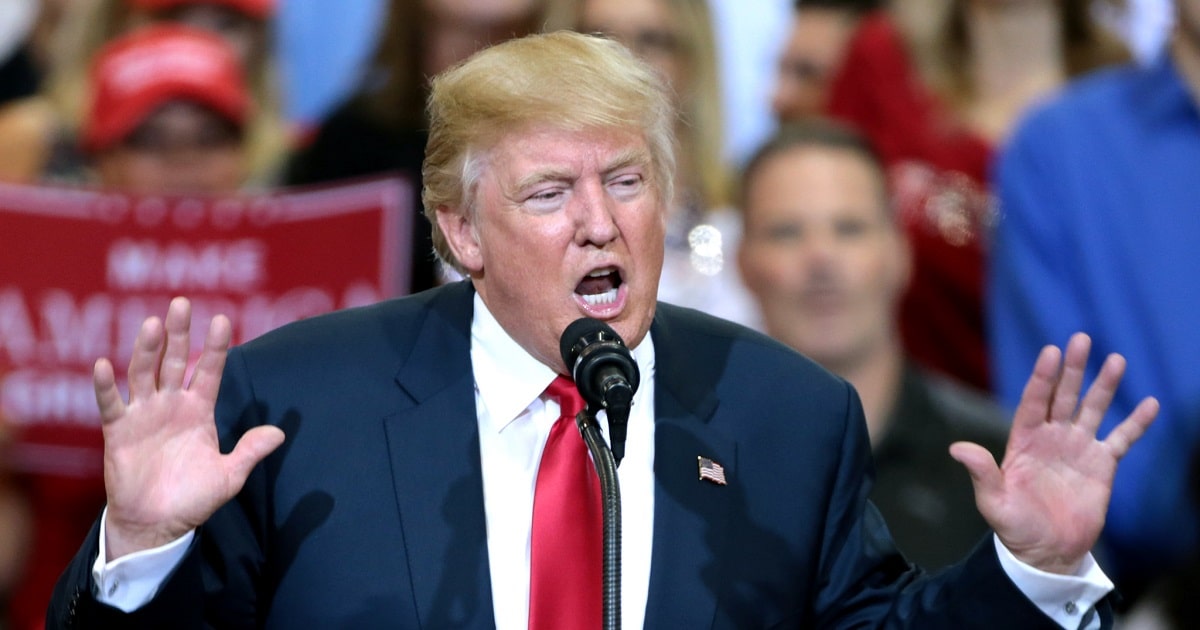
A federal court has delivered a significant ruling against the Trump administration, striking down its decision to cancel billions in clean energy funding.
On Monday, U.S. District Judge Amit Mehta ruled that the administration illegally canceled $7.6 billion in clean energy grants for projects in 16 states. These states, including California, New York, and Washington, had supported Democrat Kamala Harris in the recent election. The grants backed hundreds of initiatives, such as battery plants, hydrogen technology, electric grid upgrades, and carbon dioxide capture efforts.
The issue has ignited fierce debate over the administration’s energy policies and the fairness of its funding decisions. While the White House defends its actions as fiscally responsible, many see a troubling pattern of political targeting.
Judge Mehta’s 17-page opinion was clear: the cancellations violated the Constitution’s equal protection requirements, Newsmax reported. He noted the administration’s own admission that decisions hinged primarily on how states voted.
“Defendants freely admit that they made grant-termination decisions primarily — if not exclusively — based on whether the awardee resided in a state whose citizens voted for President Trump in 2024,” Mehta wrote. If that’s not playing politics with taxpayer money, what is?
The judge further pointed out that no rational justification was provided for linking electoral support to funding cuts. This isn’t just bad policy—it’s a dangerous precedent for punishing states based on their political leanings.
The Energy Department, however, stands by its review process, claiming the projects didn’t meet necessary standards. Spokesman Ben Dietderich insisted, “The American people deserve a government that is accountable and responsible in managing taxpayer funds.” But when cuts target only certain states, that accountability starts looking awfully selective.
Among the slashed projects were a $1.2 billion hydrogen hub in California and a $1 billion initiative in the Pacific Northwest. Meanwhile, hydrogen projects in Texas, West Virginia, Ohio, and Pennsylvania were spared. Coincidence or calculated favoritism?
White House budget director Russell Vought didn’t shy away from the agenda, posting on social media that the progressive climate push is being dismantled. While many taxpayers might cheer reining in bloated programs, the method here raises serious questions about fairness.
This ruling marks the second legal setback for the administration’s energy rollback efforts in mere hours. Another federal judge on the same day allowed work to resume on a major offshore wind farm serving Rhode Island and Connecticut. That’s a small win for an industry Trump has vowed to curb.
Back to the grants, the list of affected states reads like a Democrat stronghold roster: Colorado, Connecticut, Delaware, Hawaii, Illinois, and more. It’s hard not to see this as a political scorecard settling rather than a sober policy review.
The city of St. Paul and environmental coalitions have already sued over the lost funding. Their frustration is understandable—when projects are axed not for merit but for electoral maps, trust in government erodes.
Trump himself hinted at such cuts in an October 1 interview with One America News, saying he might eliminate programs that shouldn’t have been approved. That’s a fair stance if the focus is waste—but targeting specific states feels more like retribution than reform.
The Energy Department’s rationale that these projects didn’t advance national energy needs or weren’t economically viable might hold water in a vacuum. But when the cuts align so neatly with political fault lines, the explanation feels flimsy at best.
This saga isn’t just about clean energy—it’s about whether federal funds should be weaponized based on voting patterns. If this precedent stands, what stops future administrations from playing the same game? It’s a slippery slope that could undermine any notion of equal treatment under the law.