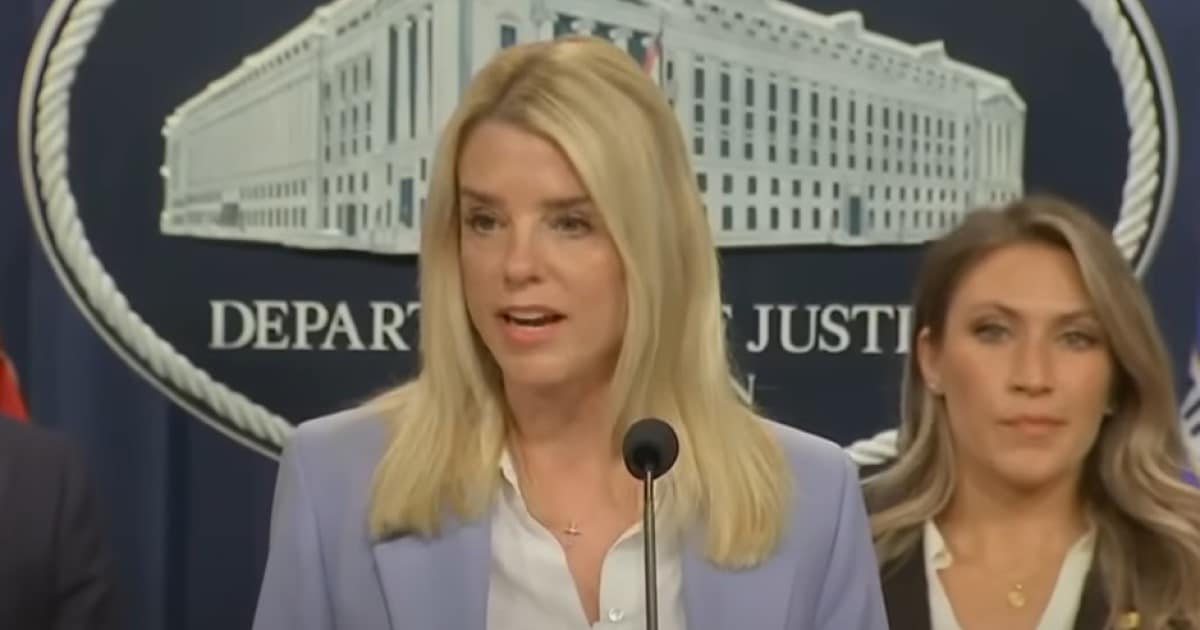
The Department of Justice just dropped over 3 million pages of Jeffrey Epstein-related records, and buried within them are eyebrow-raising claims about tech mogul Bill Gates.
On Friday, the DOJ released a staggering collection of documents, videos, and images tied to Epstein, pursuant to the Epstein Files Transparency Act. This massive disclosure, totaling millions of pages, includes a draft email from July 18, 2013, written by Epstein to himself, alleging personal requests from Gates. The DOJ cautioned that some materials might be "fake or falsely submitted," as they include public submissions over several years, and the department does not vouch for the accuracy of the claims.
The draft email from Epstein references Gates asking for messages to be erased and for assistance with medication to be given discreetly to his then-wife, Melinda. It also mentions "Russian girls" in connection with the context of these alleged requests. Social media posts, like one from Breaking911 on January 30, 2026, have amplified these claims, drawing significant public attention.
The issue has sparked intense debate over the credibility of these documents and the implications for high-profile figures like Gates. While the DOJ emphasized it "erred on the side of over-collecting" to ensure transparency, the inclusion of potentially false materials raises questions about what to trust. How do we separate fact from fabrication in a release this massive?
Let’s dig into that 2013 draft email. Epstein wrote to himself, claiming Gates asked him to "delete the emails regarding your std." If true, this paints a troubling picture of secrecy at the highest levels, but without corroboration, it’s just one man’s unverified note, as The Daily Caller reports.
Then there’s the second bombshell from the same email, where Epstein alleges Gates made "your request that I provide you antibiotics that you can surreptitiously give to Melinda." This suggests a level of deception that, if proven, would be deeply concerning for a public figure of Gates’ stature. Yet, the DOJ’s warning about falsified content looms large over these words.
Gates has admitted to past interactions with Epstein, a relationship that’s long been under scrutiny. He told PBS NewsHour in September 2021, "I had dinners with him. I regret doing that," signaling discomfort with the association but stopping short of addressing specific allegations.
That regret might not be enough for a public increasingly skeptical of elite networks. The Epstein connection, even if limited to dinners, fuels suspicion when paired with unverified claims like those in the draft email. Shouldn’t public figures be held to a higher standard of transparency about such ties?
The mention of "Russian girls" in the email adds another layer of intrigue, though no context or evidence ties this to any specific incident. Without hard proof, it’s a detail that teases more questions than answers. Still, it’s the kind of vague reference that can spiral into wild speculation if left unchecked.
The DOJ’s approach to this release, prioritizing victim privacy through redactions while casting a wide net on content, shows a commitment to openness but also a risk of misinformation. Their letter to Congress about over-collecting suggests they’d rather face criticism for volume than for withholding. But does this help or hurt public trust when fake submissions could be mixed in?
From a broader perspective, this release underscores a growing frustration with opaque power structures. The idea that unverified claims about someone like Gates can sit in public records for years, only to surface now, feels like a symptom of a system that’s too slow to address accountability.
Critics of progressive agendas might argue this is another example of elite privilege potentially evading scrutiny. If these allegations are false, where’s the swift correction to protect reputations? If true, why did it take over a decade for such claims to see daylight?
The Epstein saga continues to erode faith in institutions, as each new document dump reveals more questions than answers. For every claim like the one against Gates, there’s a caveat about authenticity that leaves the public grasping for clarity.
Ultimately, the burden shouldn’t fall on citizens to sift through millions of pages for the truth. The DOJ’s transparency is a start, but without rigorous vetting, it risks becoming a breeding ground for distrust. Until there’s confirmation or debunking of these specific claims, the shadow over figures like Gates will linger.