
Imagine a city-funded haven for drug use where 46 people collapse into critical condition, yet no one seems to know if they’re even alive. That’s the troubling reality at New York City’s two overdose prevention centers, operated by the nonprofit OnPoint in Harlem and Washington Heights. These sites, meant to curb fatal overdoses, are raising eyebrows for all the wrong reasons.
The New York Times reported that two government-backed facilities have seen a spike in emergencies, with overdoses climbing 7% from 636 in their first year to 683 in the second, while 46 users were rushed to hospitals with life-threatening conditions like cardiac arrest and seizures.
These centers, located at East 126th Street in Harlem—right across from a school—and 500 West 80th Street in Washington Heights, have been marketed as a compassionate solution to the drug crisis. But with taxpayer funding soaring to over $15.9 million in 2024 from $6.5 million just two years prior, one has to wonder if this is help or enablement.
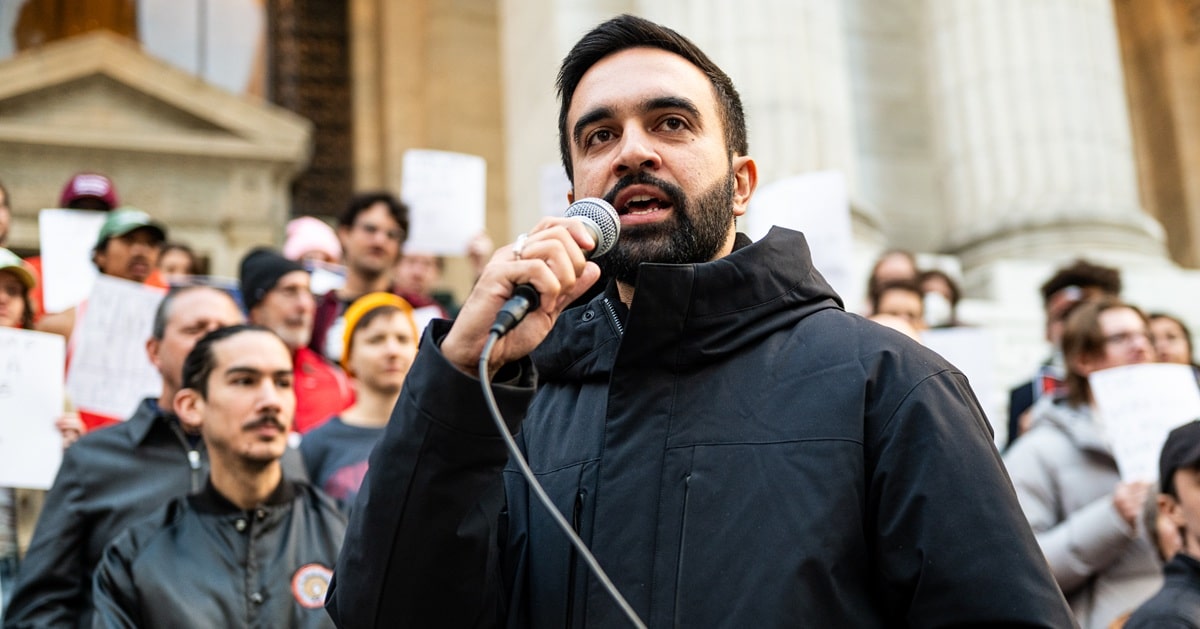
This will be a serious issue for mayor-elect Zohran Mamdani, an avowed socialist and supporter of such tactics to respond to substance abuse.
Usage at these sites has exploded, with 3,156 individuals making 61,184 visits in 2023, a 26% jump from the prior year. Repeat visitors are up too, with 177 clients coming more than once daily, a staggering 108% increase from 77 the year before.
Crack tops the list of drugs consumed, smoked over 56,000 times in two years, followed by heroin injections and cocaine snorting. Even more concerning, speedball use—a dangerous heroin-cocaine mix—surged at the Washington Heights site from 19% to 44% in a single year.
OnPoint’s annual report brags, “We increased the overall number of visits and frequency of visits to the Overdose Prevention Centers.” Success, they call it—but if success means more people using harder drugs more often, maybe it’s time to redefine the term.
Neighbors aren’t thrilled either, reporting open drug dealing and even public sex by users during daylight hours near the centers. It’s a stark reminder that what happens inside these walls doesn’t stay inside.
Then there’s the issue of accountability—or the lack thereof. Neither OnPoint nor the city Health Department can say what happened to the 46 people carted off in ambulances, leaving families and taxpayers in the dark.
Public policy expert Charles Lehman of the Manhattan Institute cuts to the chase: “Their focus is facilitating drug use, and they don’t think that it is obligatory to try to get people to stop using drugs.” If recovery isn’t the goal, what exactly are we funding?
Only 14% of users received services tied to buprenorphine, an opioid addiction treatment, but there’s no clarity on whether they actually started recovery. It’s a thin thread of hope in a tapestry of despair.
Meanwhile, OnPoint’s executive director, Sam Rivera, insists, “When EMTs were called, it was after a participant was already stabilized and for precautionary health reasons unrelated to an overdose.” Stabilized or not, 46 emergencies signal a deeper problem than a press release can gloss over.
Critics argue these centers prioritize harm reduction over true healing, a stance that feels more like surrender than strategy. With federal law deeming the sites illegal and Manhattan’s top prosecutor eyeing a crackdown after an executive order targeting them, the future is shaky.
On the political front, Mayor-elect Zohran Mamdani has pushed for state-level support of such programs but recently signaled he’d stick to the current two sites without expansion. It’s a half-step that satisfies neither side of the debate.