




Democrats are doubling down on a healthcare plan that’s dead on arrival with Republicans.
The Daily Caller reported that the latest showdown in Washington sees Democrats, led by Senate Minority Leader Chuck Schumer, proposing a three-year extension of enhanced Obamacare subsidies, only to face a brick wall of GOP opposition demanding reforms like income limits and fraud prevention.
This saga kicked off earlier this week when Democrats initially floated a one-year extension during a record-setting government shutdown, only to be rebuffed by Senate Republicans who insisted on reopening the government first.
By Thursday, Schumer upped the ante with a three-year plan, despite clear signals from multiple Republican senators that it won’t muster the necessary support.
These enhanced subsidies, first passed in 2021 without a single GOP vote, are set to expire at year’s end, and Democrats warn that letting them lapse will spike premiums for millions and strip coverage from many.
Republicans, however, aren’t buying the urgency, pointing to the original Affordable Care Act design that capped subsidies at certain income levels—limits Democrats scrapped to sometimes offer zero-premium plans.
Critics on the right argue this push for extension is a quiet confession that the law, as crafted, doesn’t hold water without constant taxpayer-funded patches.
Worse, a recent Government Accountability Office report exposed rampant fraud in the ACA marketplace, with fictitious identities and even deceased individuals somehow snagging subsidies—hardly a ringing endorsement of the system’s integrity.
GOP voices are sounding the alarm, with some like Sen. Ron Johnson of Wisconsin bluntly stating, “There’s massive fraud caused by that enhancement,” before adding that Democrats must “acknowledge the reality of their system’s miserable failure” and collaborate on fixes.
While Democrats dig in, a few Republicans, including Sens. Susan Collins, Lisa Murkowski, and Thom Tillis, are open to a shorter two-year extension, but only with strict income caps and other guardrails.
Other GOP ideas are bubbling up, like Sen. Bill Cassidy’s suggestion to redirect funds into Flexible Spending Accounts for pre-tax medical savings, or Sen. Josh Hawley’s plan to let taxpayers deduct hefty out-of-pocket costs.
Across the aisle, Senate Majority Whip John Barrasso of Wyoming insists any deal must codify the Hyde Amendment to block federal abortion funding in ACA plans, a non-negotiable for many conservatives that Schumer’s proposal flat-out ignores.
Amid the deadlock, a glimmer of compromise emerged when a bipartisan group of House moderates unveiled the “CommonGround 2025” framework, advocating a two-year subsidy boost with reforms like income restrictions.
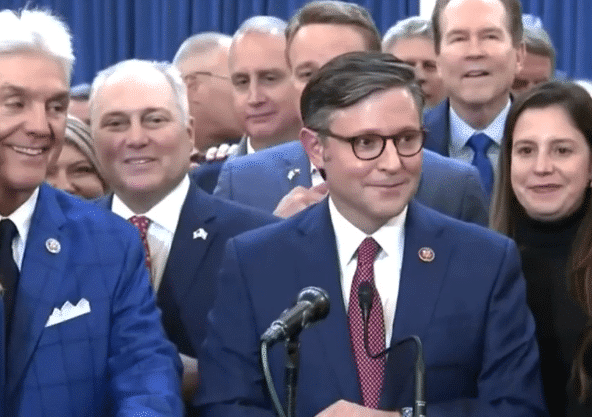
Speaker of the House Mike Johnson, meanwhile, is gearing up to unveil a Republican healthcare blueprint next week, potentially adding fuel to an already fiery debate.
With a Senate vote scheduled soon as part of a deal to end the shutdown, the clock is ticking, but don’t hold your breath for unity—Washington’s healthcare brawl looks set to rage on, leaving millions wondering what their premiums will look like next year.