



California State Sen. Sabrina Cervantes has filed a federal civil rights lawsuit against the city of Sacramento and several of its police officers, alleging they falsely arrested her for driving under the influence after another driver struck her vehicle last May. Prosecutors ultimately declined to file any charges, but the lawsuit claims the damage was already done.
The complaint, as reported by the New York Post, paints a picture of officers who allegedly decided to pursue a DUI case against Cervantes before the evidence warranted it, then fabricated key details in a sworn warrant affidavit to draw her blood at the hospital where she was being treated for injuries.
Cervantes, a Democrat who previously served in the state Assembly, says the case may have been motivated by her legislative record on policing, or possibly by her ethnicity and sexual orientation. She is Latina and identifies as LGBTQ+. Those are serious allegations. But the factual core of the lawsuit, that officers pursued a DUI investigation without probable cause, lied in sworn documents, and leaked damaging claims to the media, deserves scrutiny on its own terms, regardless of the identity politics layered on top.
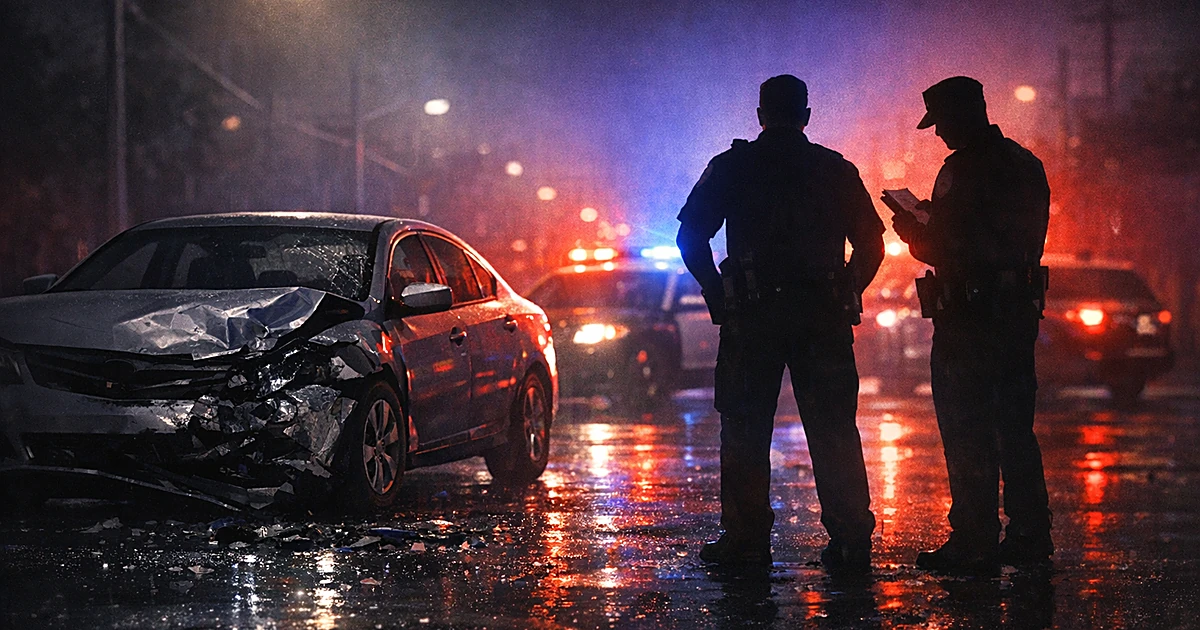
The lawsuit states that another driver ran a stop sign and struck Cervantes' state-owned vehicle. She was injured in the crash and taken to a hospital. Officers responded to the scene.
From there, the complaint alleges, things went sideways. Rather than treating Cervantes as the victim of a traffic collision, officers treated her as a suspect. They pursued a DUI investigation, the lawsuit claims, without probable cause to do so.
The complaint describes Cervantes cooperating with officers despite her injuries. It states:
"Despite being anxious after having been the victim in a serious accident, Senator Cervantes provided a clear straightforward explanation for how she drove to the curb after she was struck, despite being injured and in pain."
That cooperation, the lawsuit alleges, did not matter. Officers sought a warrant to draw her blood, and the complaint claims they based that warrant on false statements, including claims that Cervantes had slurred speech and had refused testing. One officer allegedly said on the scene, "So, pretty much, no matter what, we're writing a warrant." If accurate, that line suggests the outcome was decided before the investigation was finished.
The blood draw was carried out at the hospital. Cervantes says she offered to provide hospital-administered chemical test results, but officers proceeded with the warrant-based draw anyway.
The allegations do not stop at the arrest itself. The complaint accuses officers of fabricating evidence in a sworn warrant affidavit, a federal crime if proven. It also alleges that officers falsely reported to the DMV that Cervantes had refused a chemical test, which triggered potential license suspension proceedings against her. Those proceedings were later dismissed.
Cervantes further alleges that officers made defamatory statements to the media, claiming she had been driving under the influence. The complaint points to gaps in body camera footage and accuses the department of destroying or failing to preserve key evidence. When high-profile public figures face criminal allegations, the destruction of evidence is the kind of detail that should alarm anyone who values due process, whether the accused is a politician, a celebrity, or an ordinary citizen.
Prosecutors ultimately declined to file charges. That fact alone does not prove the officers acted improperly, prosecutors decline cases for many reasons. But combined with the specific allegations of fabricated warrant affidavits and false DMV reports, the decision not to prosecute takes on added weight.
Cervantes has pointed to SB 274, a bill she authored, as a possible motive for what she describes as retaliatory treatment. The bill apparently dealt with policing, though the full text and subject are not detailed in the complaint's public reporting. Gov. Gavin Newsom vetoed SB 274 in October, months after the May crash.
The timeline matters. If the crash occurred in May and the veto came in October, the bill was still active legislation at the time officers responded to the accident. Cervantes alleges that her political activity, combined with her ethnicity and sexual orientation, led officers to treat her differently than the other driver involved in the crash.
That claim, differential treatment based on identity, is the kind of allegation that can cut multiple ways. It could reflect genuine bias. It could also reflect a politician reaching for the most sympathetic framing available. The federal court will have to sort through the evidence. What matters now is whether the factual allegations hold up: Did officers lie in a sworn affidavit? Did they fabricate a refusal report to the DMV? Did they destroy or fail to preserve body camera footage?
Those are questions that matter for every citizen, not just for state senators. In an era when Democrats frequently invoke identity as a shield against scrutiny, the identity-based claims in this lawsuit will draw the most attention. But the evidentiary claims, fabricated warrants, destroyed footage, false government filings, are the ones that should concern conservatives who care about government accountability and the limits of police power.
Cervantes is seeking unspecified damages. The complaint asks for compensation covering emotional distress, reputational harm, and legal costs, along with punitive damages and civil penalties. The specific dollar amount is not stated in the filing.
Several police officers are named as defendants alongside the city of Sacramento, though their individual names have not been reported publicly. The court and case number for the federal lawsuit have not been disclosed in available reporting.
Cervantes, who welcomed triplets with her wife Courtney Downs in 2019, has built a legislative career in California's progressive political establishment. She is not a figure most conservative readers would instinctively sympathize with. But the principle at stake, that police officers should not fabricate evidence, lie in sworn affidavits, or pursue arrests without probable cause, is not a partisan principle. It is a constitutional one.
Politicians of all stripes have found themselves entangled in legal controversies that test the boundaries between personal conduct and official accountability. Former senators have faced sworn declarations about their private lives, and elected officials have broken with their own parties under pressure. The common thread is that public office invites scrutiny, from voters, from courts, and from the institutions that are supposed to serve everyone equally under the law.
The Sacramento police department and the city have not publicly responded to the lawsuit's specific allegations in available reporting. That silence may change as the case proceeds through federal court. Discovery, the process of exchanging evidence, will be the proving ground. Body camera footage, warrant applications, DMV filings, and internal communications will either confirm or contradict the complaint's narrative.
Several open questions remain. Which officers are named? What did the blood draw results actually show? What specific evidence was allegedly destroyed? What media outlets received the allegedly defamatory statements? None of these details have surfaced publicly.
If Cervantes' allegations prove true, Sacramento taxpayers will foot the bill for officers who allegedly lied under oath and violated a citizen's constitutional rights. If the allegations fall apart, a sitting state senator will have used the federal courts and identity-grievance framing to wage a political fight against the police officers who responded to her crash.
Either way, the facts will speak. And in a system that works, that should be enough.