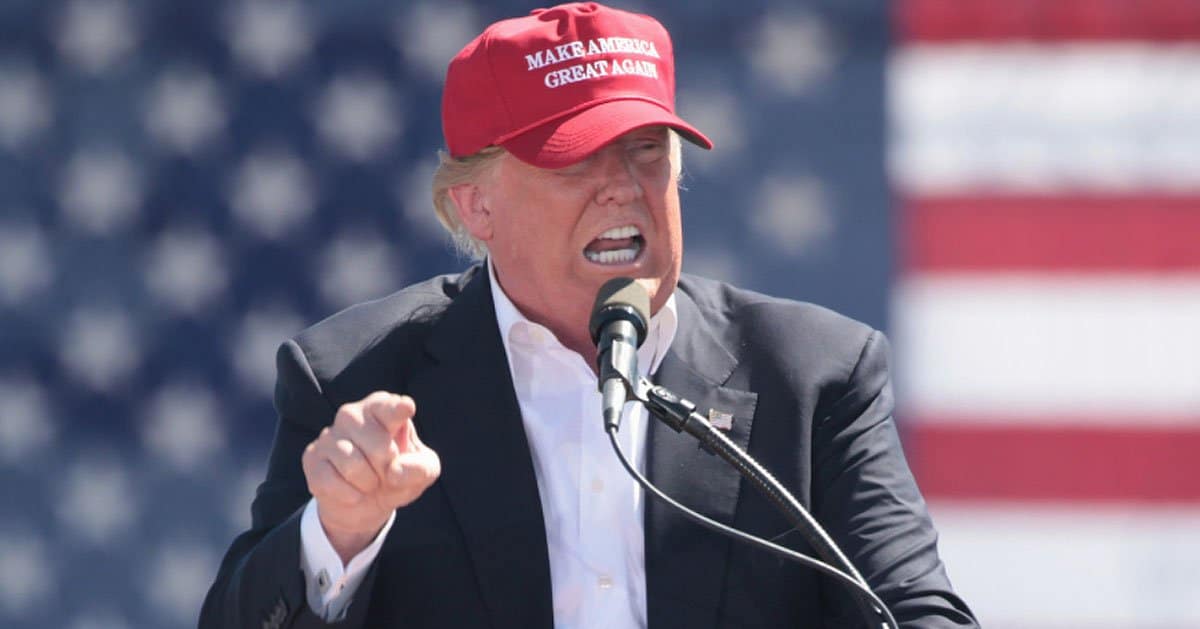

President Donald Trump’s latest tax cuts are hitting a brick wall in some of America’s bluest states.
Under the One Big Beautiful Bill Act, signed into law by Trump, federal taxes on tipped wages and overtime pay are set to be exempt starting Jan. 1, 2026, but only eight states are ready to let their residents enjoy the full benefits, while heavyweights like New York, Illinois, and California are digging in their heels over potential budget shortfalls.
For hardworking tipped workers—think waiters, bartenders, and service staff—this resistance could mean a direct financial hit of hundreds or even thousands in extra state taxes annually. From a conservative lens, it’s a slap in the face to the very folks grinding to make ends meet, especially when states like New York could lose $1.7 billion in revenue but refuse to prioritize their own taxpayers. Let’s not let these statehouses off the hook; their budgets need a full audit to see where the real waste lies.
Now, let’s break this down: Trump’s legislation is a lifeline for overtime warriors like factory workers and linemen, offering them a rare chance to keep more of their hard-earned cash. But Democratic strongholds are playing hardball, citing fiscal concerns as their excuse to opt out of state-level relief.
New Jersey’s showing a flicker of hope, open to sparing tipped workers, while Michigan, under Gov. Gretchen Whitmer, stands alone among blue states in adopting both overtime and tip exemptions. It’s a rare win, but why aren’t more following suit?
Meanwhile, states like Kentucky and North Carolina are mulling over proposals to match the federal cuts, proving this isn’t just a partisan game—yet the blue wall remains largely unmoved. Where’s the fairness for taxpayers here?
South Carolina, North Dakota, Montana, and Idaho are the golden quartet, fully aligning with Trump’s personal tax breaks, including deductions for tips, car loan interest, overtime pay, and a beefed-up $6,000 senior deduction. That’s leadership putting people over politics.
Oregon and Iowa are playing partial ball, adopting three provisions but snubbing the senior benefit, while Colorado keeps the senior perk but skips overtime relief despite its “rolling conformity” to federal tax codes. It’s a mixed bag, but at least some effort is there.
Treasury Secretary Scott Bessent isn’t mincing words, accusing blue states like Illinois and New York of “deliberately blocking” these popular provisions and playing “Ebenezer Scrooge” this holiday season. He’s got a point—why the Grinch act when service workers and seniors are on the line?
Blue state leaders are quick to cry poor, with New York’s potential $1.7 billion revenue loss cited as a dealbreaker, per Jared Walczak of the Tax Foundation. But is this really about budgets, or just a way to stonewall a Trump win?
A spokesperson for New York Gov. Kathy Hochul dodged a hard stance, saying, “We will continue finding ways to put money back in New Yorkers’ pockets and will evaluate federal changes in the context of the upcoming budget, just like red and blue states across the country.” Nice words, but where’s the action—will taxpayers see relief or just more delays?
California’s no better, with a spokesperson for Gov. Gavin Newsom noting legislation is generally needed to align with federal provisions. Sounds like a polite way to say, “Don’t hold your breath.”
Many states, red and blue, don’t automatically adopt federal deductions, starting instead with adjusted gross income or running separate tax systems, meaning legislative action is needed to conform. This isn’t just bureaucracy—it’s a barrier to relief for everyday Americans.
Under Gov.-elect Mikie Sherrill (D), New Jersey could join Michigan as a blue state embracing these cuts, but the clock’s ticking toward 2026. Will others step up, or will taxpayers be left holding the bill?
From a conservative standpoint, this patchwork of state decisions reeks of political posturing over practical help for working folks and retirees. States need to stop hiding behind budget excuses and start serving the people who elected them—or face the accountability they deserve at the ballot box.