Latin pop singer Bad Bunny wiped his entire Instagram presence — every post, his profile picture, every account he followed — just hours after his Super Bowl LX halftime performance drew sharp criticism Sunday night. The only thing left standing: his 50 million followers, staring at a blank page.
The 31-year-old performer, born Benito Antonio Martínez Ocasio, did not explain. His team didn't respond to media inquiries. The digital vanishing act came after the halftime show split the country along lines that have become entirely predictable.
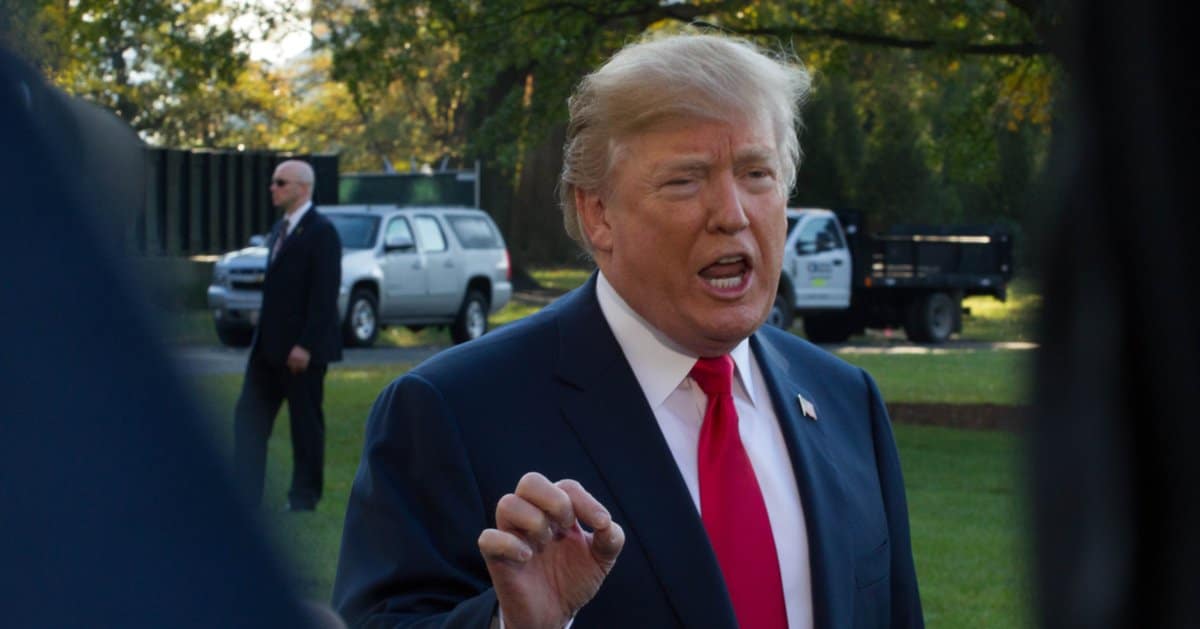
President Trump didn't mince words, as Fox News reported. In a Truth Social post Sunday night, he delivered the kind of review the NFL probably wasn't hoping for:
"The Super Bowl Halftime Show is absolutely terrible, one of the worst, EVER! It makes no sense, is an affront to the Greatness of America, and doesn't represent our standards of Success, Creativity, or Excellence. Nobody understands a word this guy is saying, and the dancing is disgusting, especially for young children that are watching from throughout the U.S.A., and all over the World."
Conservative social media users went further, arguing the performance amounted to a political statement aimed at criticizing U.S. Immigration and Customs Enforcement agents. Whether or not that was the artist's intent, the perception took hold — and the reaction was immediate.
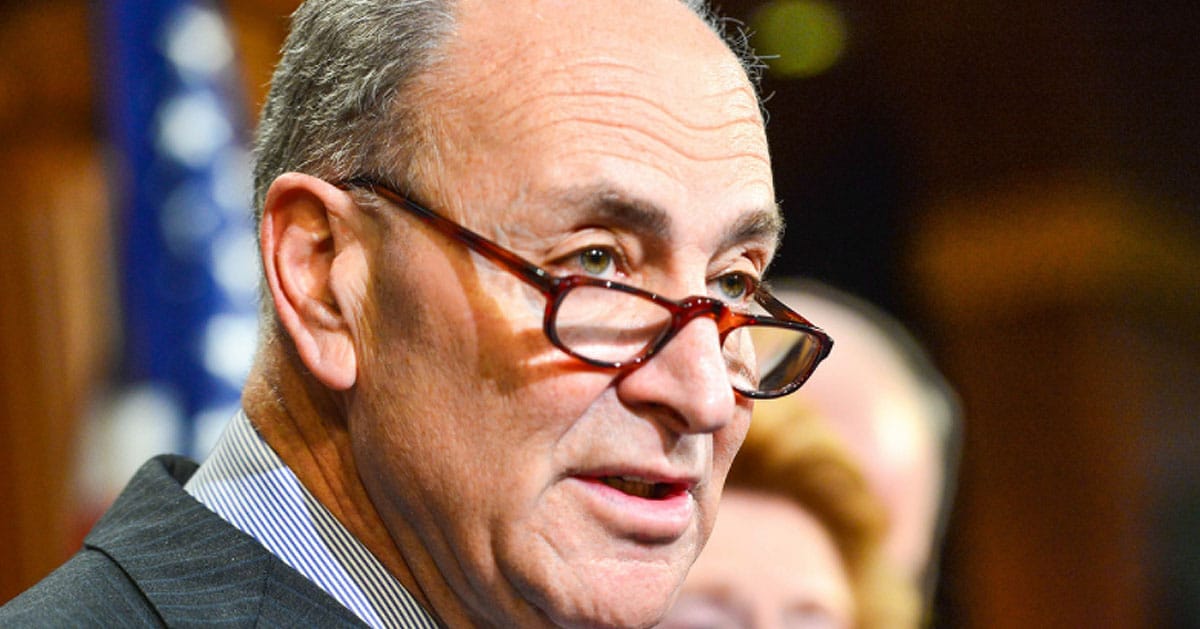
On the other side, California Governor Gavin Newsom treated the whole thing like a campaign event. He had already declared Sunday "Bad Bunny Day" before the game even kicked off at Levi's Stadium in Santa Clara. After the performance, he posted on X:
"Thank you @sanbenito for taking the California stage and using your voice at #SuperBowlLX. A beautiful moment! Together, we are America."
When Gavin Newsom is rushing to wrap himself around your halftime show, it tells you everything about the audience it was designed for — and the one it wasn't.
Then came the disappearing act. Hours after the performance, Bad Bunny deleted every single Instagram post, scrubbed his profile picture, and unfollowed everyone on the platform. It wasn't the first time — he pulled the same move in 2022 after joining TikTok. But the timing here does the talking.
Some fans have speculated the purge is part of a rebranding effort ahead of a major announcement, not a response to the Super Bowl fallout. Maybe. Artists nuke their social media pages all the time as marketing theater. But doing it the same night your performance becomes a national controversy requires either remarkable coincidence or remarkable thin skin.
Either way, the silence is conspicuous. No statement. No defense of the performance. No explanation of what message, if any, the show was supposed to send. Just a blank profile and 50 million followers left to guess.
The deeper issue isn't one Latin trap artist's Instagram habits. It's what the halftime show has become — and what it says about the NFL's relationship with its actual audience.
The Super Bowl is the single largest shared cultural event in American life. Families gather. Kids watch. The game itself, between the New England Patriots and the Seattle Seahawks, is supposed to be the draw. The halftime show exists to entertain the broadest possible audience during a break in football.
Instead, year after year, the league green-lights performances that alienate a massive portion of its viewership. The president of the United States calls the show "an affront to the Greatness of America," and the NFL's response is — nothing. The performer's response is to delete his Instagram and go dark.
Meanwhile, the political class sorts itself exactly as expected. Conservatives object. Democrats celebrate. Newsom declares a holiday. The halftime show stops being entertainment and becomes another front in the culture war — which is precisely what happens when institutions stop caring about their core audience and start performing for the approval of people who don't watch football.
This is the feedback loop. The NFL selects a performer who will generate progressive applause. Conservatives push back. The media frames the pushback as culture-war hysteria. Democrats rush to defend the performance as a statement of identity and inclusion. The performer is shielded from any artistic criticism because the conversation has been collapsed into politics.
Nobody asks the simplest question: Was it a good show?
When the president says, "nobody understands a word this guy is saying," that's not xenophobia. It's a straightforward observation about a performance at an American sporting event watched by families across the country. Entertainment that excludes the majority of its audience isn't bold. It's self-indulgent.
Bad Bunny's team has said nothing. His Instagram is a ghost town. The scrubbed profile sits there — no posts, no picture, no follows — like a digital shrug at the millions of Americans who tuned in Sunday night and felt like the show wasn't made for them.
If the performance was art, defend it. If it was a political statement, own it. If it was just a show and the backlash is overblown, say so.
Fifty million followers, and not a single word.