


Two Louisiana brothers were arrested on federal terrorism-related charges after prosecutors say they funneled online donations to a Hamas operative, a case built with NYPD undercover work.
Abdel Adhami and Omar Adhami were busted last month in the Pelican State and now face charges of providing material support to a foreign terrorist organization and wire fraud, newly unsealed federal indictments show.
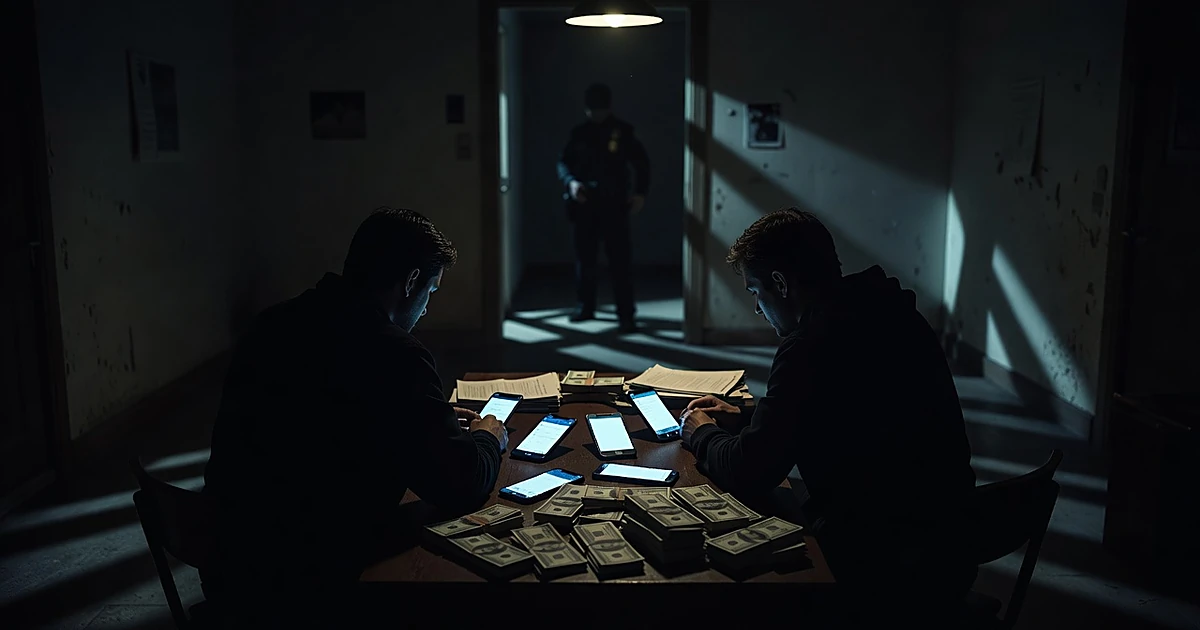
Federal court papers describe an alleged years-long fundraising pipeline run through Snapchat, Telegram, PayPal, and WhatsApp, with money routed to Saleem Alzaq, described as a Hamas member, under the guise of Gaza humanitarian aid.
Prosecutors say the scheme was not charity. It was material support for a designated foreign terrorist organization, moved in plain sight on consumer apps.
NYPD intelligence work helped expose the network. Commissioner Jessica Tisch said analysts built the case that uncovered more than $2 million being funneled to Hamas, and she framed the arrests as counterterrorism that reaches far beyond New York.
Court documents allege Abdel funneled more than $83,000 to Hamas from 2023 to 2026. Omar is accused of sending $6,000.
Between November 2023 and June 2025, Abdel is accused of sending almost $35,000 to one PayPal account and $46,000 to another, sums the complaint says were funneled to Alzaq.
Abdel allegedly used several Snapchat accounts to post Hamas propaganda and solicit funds, then steered followers to a Telegram account. Court papers say that Telegram channel almost exclusively posted pro-Hamas and pro-Palestinian Islamic Jihad messages, videos, and images while asking for donations.
Federal agents have hit Hamas-linked money channels before, including when the FBI seized Hamas-linked cryptocurrency and exposed would-be donors in a separate crackdown.
In this case, the complaint points to ordinary payment tools and coded chatter rather than exotic finance. The alleged method was simple: raise cash online, move it through PayPal, and route it to Alzaq.
Brothers allegedly used code words, including “bread,” when talking about Hamas fighters and funding.
In a January 2024 Snapchat exchange cited in court papers, Alzaq messaged about the “bread.”
Alzaq wrote:
"This is the message I wanted to deliver to the person who donated the bread,"
And:
"Some of them received the bread, thanks be to god,"
That is not how legitimate aid groups talk about flour. It is how people talk when they want the real purpose hidden.
Alzaq also allegedly told an undercover contact how the transfers worked and who handled them month to month.
He directed the undercover officer toward Abdel with this instruction:
"Call him and come to an understanding with him and see what’s the best method, how to transfer, how to send them [funds]. This young man transfers to me on a monthly basis,"
When the undercover later reached Abdel on WhatsApp, Abdel’s reply, as quoted in the papers, waved away legal risk:
"But do not worry everything is legal, God willing,"
Prosecutors now say the opposite: the transfers were wire fraud and material support to a foreign terrorist organization.
The break came from a mistake on Snapchat. In November 2025, Alzaq inadvertently contacted an undercover NYPD detective using the name “Hussain.”
The next month, Alzaq directed that officer to reach out to Abdel. Court filings leave unclear whether the undercover detective ever transferred money to Abdel.
What is clear is the investigative path: social-media contact, a referral to the Louisiana fundraiser, and a federal case that followed the money.
Terror-linked cases are moving through the system on multiple tracks, including when the DOJ filed an Alien Terrorist Removal Court case against an Afghan woman tied to a separate plot.
Here, Alzaq faces a broader slate of counts than the brothers: conspiracy to provide material support to a foreign terrorist organization, conspiracy to violate the International Emergency Economic Powers Act, conspiracy to commit money laundering, and conspiracy to defraud the United States.
The brothers’ charging language centers on material support and wire fraud. The papers do not describe convictions, only charges and allegations at the indictment and complaint stage.
NYPD Commissioner Jessica Tisch tied the Louisiana arrests to a larger intelligence effort and thanked unnamed law-enforcement partners for helping dismantle the network.
Tisch said:
"The NYPD’s counterterrorism work knows no borders,"
She added that intelligence analysts “uncovered this international finance network and built the case that exposed more than $2 million being funneled to Hamas,” and called it the kind of work the department does “to disrupt threats before they reach New Yorkers.”
The commissioner put the brothers’ case inside a wider finance network figure above $2 million. The complaint’s brother-specific totals are smaller, more than $83,000 attributed to Abdel and $6,000 to Omar, leaving the full network accounting broader than the two Louisiana defendants alone.
High-profile federal arrests keep landing in Louisiana as well, as when ICE arrested Milo Yiannopoulos at the New Orleans airport after an immigration overstay case.
In the Adhami matter, the geography runs the other way: a New York police undercover and intelligence unit helping build a federal terrorism-finance case against suspects in Louisiana who allegedly raised money online for Hamas.
The core allegation is blunt. Fundraising pitched around Gaza aid allegedly became a pipeline to a Hamas operative, with propaganda on Snapchat and Telegram and cash moved by PayPal.
Code language about “bread,” monthly transfers, and a calm assurance that “everything is legal” sit in the same file as material-support charges. Readers can judge the gap themselves.
Serious criminal cases turn on what defendants did before the courtroom stage, a pattern readers also see when a former TV anchor pleaded guilty in a homicide case after the underlying conduct was laid out in court.
Open questions remain. The public file described in reporting does not pin down the exact calendar date of the brothers’ arrest, the Louisiana city where they were taken into custody, the federal district handling the case, or docket numbers. Alzaq’s location and arrest status beyond the charges are not spelled out. And the papers leave unanswered whether the undercover officer sent Abdel any money.
What the filings do state is enough for charges: named defendants, dollar figures, platforms, coded messages, an undercover contact chain, and a federal theory of terror finance dressed up as relief.
Americans who give to real humanitarian causes deserve a system that hunts the counterfeits. When “bread” means fighters and PayPal becomes a terror till, the answer is indictments, not excuses.