
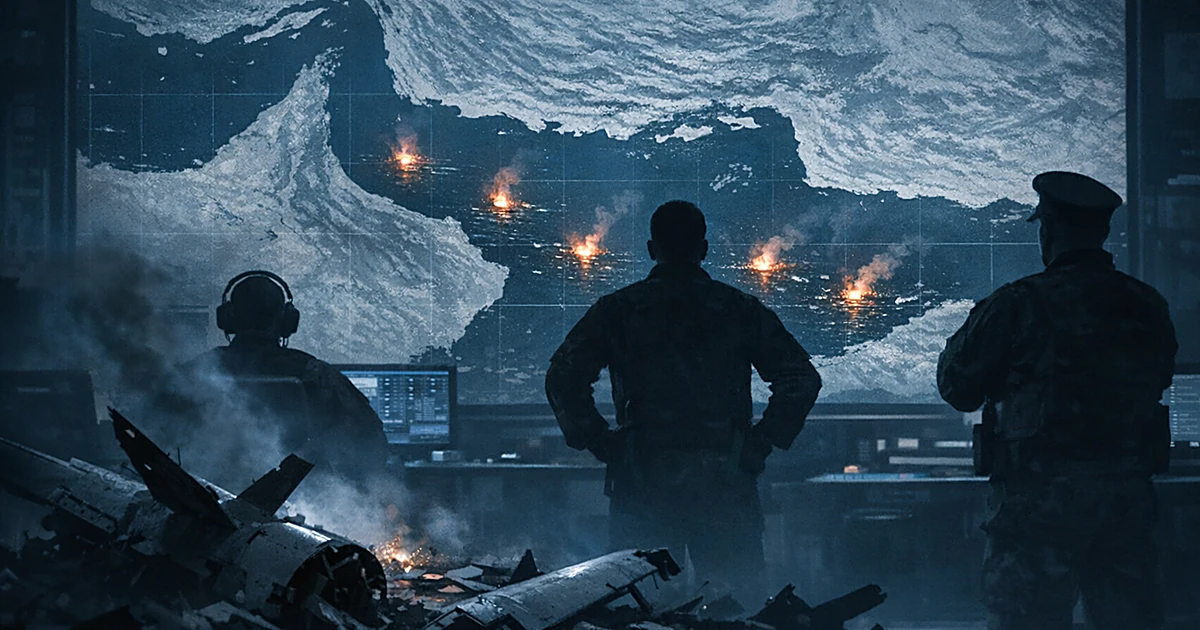



U.S. Southern Command struck a narco-trafficking vessel in the Eastern Pacific on Sunday, killing two and leaving one survivor — the third such lethal strike this year and part of a campaign that has now stretched six months.
Joint Task Force Southern Spear carried out the operation at the direction of Gen. Francis L. Donovan, SOUTHCOM's commander. The U.S. Coast Guard was notified to activate search-and-rescue for the lone survivor.
SOUTHCOM announced the strike on X:
"On Feb. 9, at the direction of #SOUTHCOM commander Gen. Francis L. Donovan, Joint Task Force Southern Spear conducted a lethal kinetic strike on a vessel operated by Designated Terrorist Organizations."
The unit added that intelligence confirmed the vessel was moving along known narco-trafficking routes and was actively engaged in trafficking operations at the time of the strike.
This wasn't an isolated event. It was the third lethal strike since the campaign launched in September 2025. In January, U.S. forces hit another vessel, killing two and leaving one survivor. Last Thursday — just four days before this latest operation — a separate strike killed two more suspected narco-terrorists.
The math is simple: six people killed, two survivors, three strikes in under two months. And the pace is picking up.
Over the past six months, SOUTHCOM has reportedly carried out dozens of strikes across the Eastern Pacific and Caribbean, targeting a range of vessels — from submersibles to fishing boats to high-speed craft — operated by designated terrorist organizations, according to Fox News. Among the groups in the crosshairs: Venezuela's Tren de Aragua and Colombia's Ejército de Liberación Nacional.
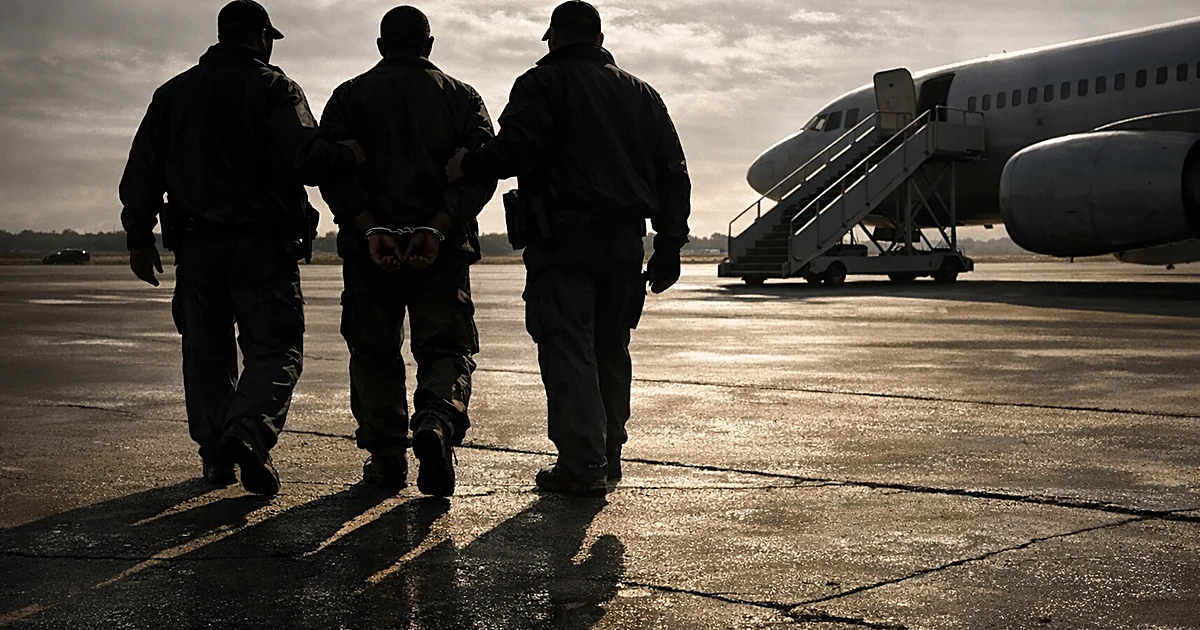
The language matters here. These aren't law enforcement interdictions. These are kinetic military strikes against groups formally designated as terrorist organizations. The shift in framing — from drug interdiction to counterterrorism — carries enormous operational and legal weight. It transforms narco-traffickers from criminals to be arrested into combatants to be engaged.
For decades, the U.S. treated narco-trafficking as primarily a law enforcement problem. Coast Guard cutters would chase go-fast boats, board them, seize product, and arrest crew. That model treated the symptom — the drugs in transit — while leaving the networks intact. What SOUTHCOM is doing now treats the networks themselves as hostile entities operating in contested waters.
That's not a subtle distinction. It's a doctrine shift.
Tren de Aragua is a Venezuelan mega-gang that has metastasized across Latin America and into the United States. The Ejército de Liberación Nacional — Colombia's ELN — is one of the Western Hemisphere's oldest and most entrenched narco-terrorist groups. Both have long operated with near-impunity in the region's ungoverned spaces, exploiting weak states and porous maritime corridors.
The designation of these groups as terrorist organizations wasn't performative. It opened the door to exactly this kind of military engagement — lethal force, not handcuffs.
For years, critics of American drug interdiction noted an uncomfortable reality: no matter how many tons of cocaine were seized at sea, the flow never stopped. The interdiction-and-arrest model was a treadmill. Cartels and trafficking organizations simply absorbed the losses as a cost of doing business, factored seizure rates into their logistics, and kept shipping.
What changes the calculus is risk, not to the product, but to the operators themselves. A vessel crew facing arrest and prosecution in a U.S. federal court is inconvenienced. A vessel crew facing a kinetic strike from a military task force is in a fundamentally different situation. The economics of narco-trafficking depend on an endless supply of willing operators. That supply depends on the operators believing they'll survive the trip.
SOUTHCOM's campaign introduces a variable that the trafficking networks haven't had to price in before.
Several details remain unconfirmed. The identities and nationalities of those killed and the survivors have not been released. The specific weapon system and platform used in the strike haven't been disclosed. No information has been provided about whether drugs or contraband were recovered from the vessel or from any of the prior strikes.
The nature of the intelligence that confirmed the vessel's trafficking activity also remains undisclosed, which is standard for operational security but worth noting.
What is clear: the United States is treating narco-terrorist vessels in the Eastern Pacific the way it treats hostile combatants, and it's doing so with increasing frequency.
Something is clarifying about a government that identifies a threat, designates it, and then acts on the designation. The word "strike" does work that "interdiction" never could — not just operationally, but as a signal. To the trafficking organizations. To the governments that harbor them. To allies in the region, watching to see whether the United States means what it says.
Three strikes since the new year. Dozens since September. The Eastern Pacific is no longer a corridor that traffickers can transit as a cost of business.
It's becoming something else entirely.